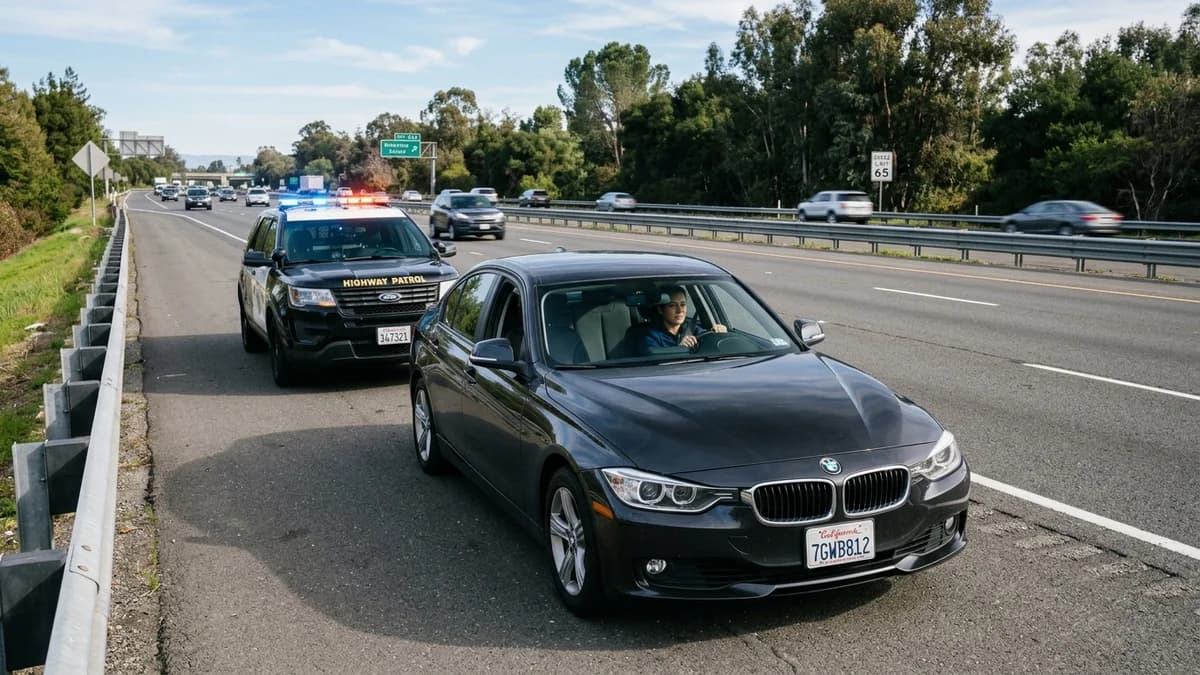
California DMV Written Test: 2026 Passing Guide & Requirements
Mastering statutory driver licensing regulations and highway laws ensures first-time test success.
Quick Answer & Key Takeaways
The California DMV written knowledge test format and passing criteria: 1) MINORS (UNDER 18): 46 multiple-choice questions; you must answer at least 38 correctly to pass (82.6% threshold; maximum 8 errors allowed). 2) ADULTS (18+): 36 questions; you must answer at least 30 correctly to pass (83.3% threshold; maximum 6 errors allowed). 3) 3 ATTEMPTS: Your application fee covers 3 testing attempts within a 12-month period. 4) RETAKE WAITING PERIOD: Minors must wait 7 calendar days before retaking a failed exam; adults can retake the next business day.
- Minors: 46 Questions (Must get 38 correct; max 8 missed).
- Adults: 36 Questions (Must get 30 correct; max 6 missed).
- 7-Day Retake Wait for Minors: Adults may retest the next day.
- Touchscreen Testing: Use the "Skip" button to bypass tricky questions until passing threshold is reached.
Passing the California DMV test on your first attempt requires focused preparation on state-specific laws and procedures. The test is designed to ensure you understand California's unique driving environment and legal requirements.
Study Tips for Success
Remember that the California DMV test emphasizes practical application of laws rather than memorization. Understanding the reasoning behind traffic laws will help you succeed on both the written test and as a safe driver on California roads.
- Statutory Compliance: Obeying exact vehicle code thresholds rather than informal habits ensures zero penalty points on exam day.
- Defensive Safety Standard: Maintaining safe following distances and active visual scanning eliminates collision risks under Basic Speed Law principles.
- Hazard Recognition: Anticipating changing traffic patterns and road conditions allows proactive rather than reactive braking.
Take our comprehensive California DMV practice test to see how well you understand these laws and regulations.
Essential Study Strategies:
Under California DMV standards, minors under 18 receive 46 questions and must score at least 38 correct (maximum 8 errors permitted).
- Statutory Compliance: Obeying exact vehicle code thresholds rather than informal habits ensures zero penalty points on exam day.
- Defensive Safety Standard: Maintaining safe following distances and active visual scanning eliminates collision risks under Basic Speed Law principles.
- Hazard Recognition: Anticipating changing traffic patterns and road conditions allows proactive rather than reactive braking.
Vehicle code statutes require drivers to demonstrate strict compliance with right-of-way rules, speed adjustments, and proper signaling.
Ready to Test Your California DMV Knowledge?
Understanding the exact statutory requirements and defensive driving benchmarks for california dmv written test: 2026 passing guide & requirements is essential for passing your examination on the first try.
- Statutory Compliance: Obeying exact vehicle code thresholds rather than informal habits ensures zero penalty points on exam day.
- Defensive Safety Standard: Maintaining safe following distances and active visual scanning eliminates collision risks under Basic Speed Law principles.
- Hazard Recognition: Anticipating changing traffic patterns and road conditions allows proactive rather than reactive braking.
Vehicle code statutes require drivers to demonstrate strict compliance with right-of-way rules, speed adjustments, and proper signaling.
Interactive Knowledge Check
Question: How many questions must a minor under 18 answer correctly to pass the California DMV permit test?
Authoritative Sources & Regulatory References
Content and statutory guidelines in this guide are verified against official state vehicle codes, federal transportation standards, and authoritative regulatory documentation:
- AAMVAOfficial State Driver Handbooks & Licensing Examination Criteria (2026)(American Association of Motor Vehicle Administrators)
- NHTSANational Highway Traffic Safety Administration (NHTSA) Uniform Guidelines for State Highway Safety(National Highway Traffic Safety Administration)
- FHWAFederal Highway Administration (FHWA) Manual on Uniform Traffic Control Devices (MUTCD)(Federal Highway Administration)
95% of people found this article helpful.
Click a star to add your vote
118 votes • average 4.81 out of 5
Official 2026 DMV Practice Tests by State
Select your state to practice real exam questions based on the latest 2026 driver handbook.
Ready to Pass the DMV Test on Your First Try?
Practice real 2026 DMV questions with instant answer explanations, simulated timers, and pass-guarantee study guides.
Start Free Practice Test