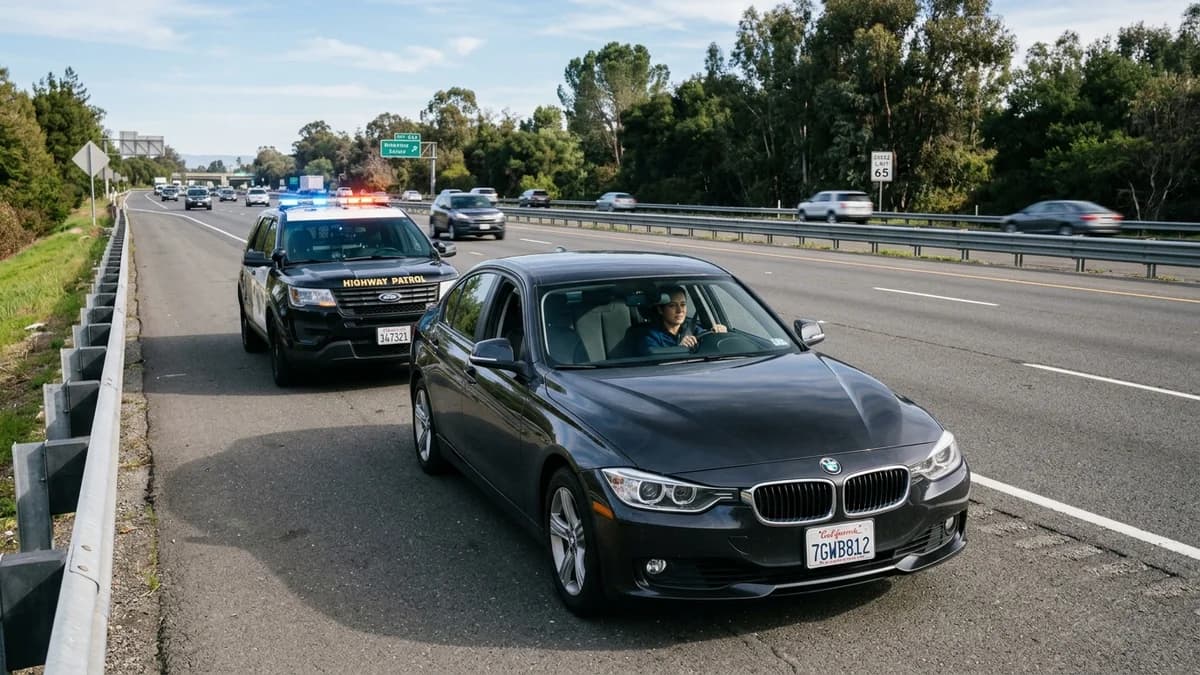
Drunk Driving Statistics, Blood Alcohol Concentration & Prevention
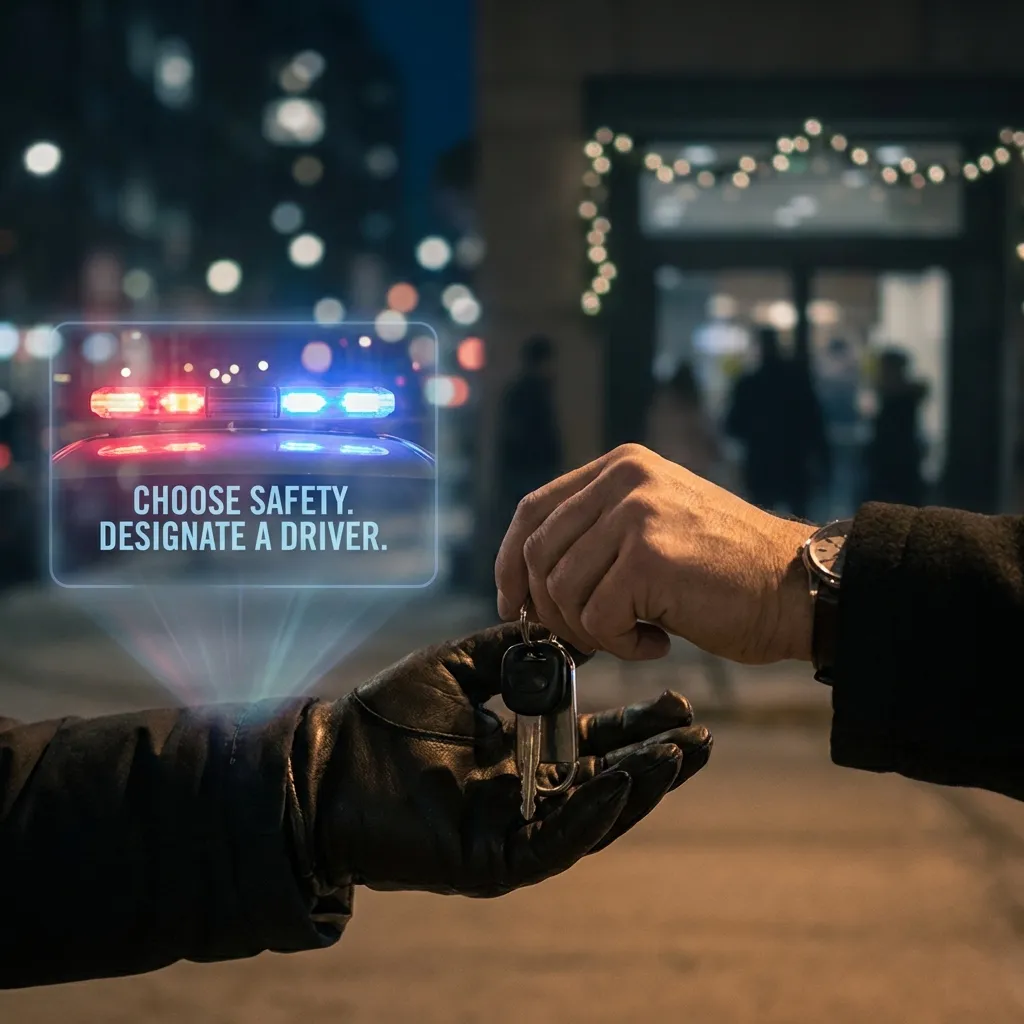
Mastering statutory driver licensing regulations and highway laws ensures first-time test success.
Quick Answer & Key Takeaways
Drunk driving claims over 13,000 lives annually in the US (1 death every 39 minutes). 1) STATUTORY BAC LIMITS: 0.08% for non-commercial drivers age 21+; 0.04% for commercial CDL drivers; 0.01% (or 0.02%) for drivers under 21 (Zero Tolerance). 2) ALCOHOL METABOLISM: The human liver metabolizes alcohol at a fixed rate of approximately 0.015% BAC per hour (roughly one standard drink per hour). Coffee, cold showers, and exercise do NOT sober you up. 3) DUI PENALTIES: First-offense DUI costs $10,000–$20,000 in fines, legal fees, license suspension, and mandatory Ignition Interlock Devices (IID).
- Fixed Metabolism Rate: Only time lowers BAC (0.015% per hour); coffee and water cannot speed up liver enzymes.
- Zero Tolerance for Minors: 0.01% BAC triggers an automatic 1-year license suspension.
- Implied Consent Law: Refusing a chemical test results in an automatic administrative 1-to-3-year license suspension.
- Ignition Interlock Device (IID): Breathalyzer wired to vehicle ignition required for license reinstatement.
You've probably heard it a thousand times: "Don't drink and drive." But here's the thing—every single day in America, about 34 people ignore that advice. And they never make it home.
The Numbers Don't Lie
That's one person every 42 minutes. One family shattered. One set of car keys that should have been handed over. One Uber ride that never got called. When you look at the numbers, drunk driving isn't just dangerous—it's the most preventable killer on our roads.
- Statutory Compliance: Obeying exact vehicle code thresholds rather than informal habits ensures zero penalty points on exam day.
- Defensive Safety Standard: Maintaining safe following distances and active visual scanning eliminates collision risks under Basic Speed Law principles.
- Hazard Recognition: Anticipating changing traffic patterns and road conditions allows proactive rather than reactive braking.
If you're studying for your permit test, this isn't just another boring topic you need to memorize. This is the reality of what happens when someone thinks, "I'm fine to drive." Spoiler alert: they weren't.
Think You Can Judge Your Own Sobriety?
Let's cut to the chase. In 2023 alone, 12,429 people died in alcohol-impaired crashes. That's not a statistic—that's 12,429 funerals. That's more than a decade of 9/11s happening silently on our highways every single year.
- Statutory Compliance: Obeying exact vehicle code thresholds rather than informal habits ensures zero penalty points on exam day.
- Defensive Safety Standard: Maintaining safe following distances and active visual scanning eliminates collision risks under Basic Speed Law principles.
- Hazard Recognition: Anticipating changing traffic patterns and road conditions allows proactive rather than reactive braking.
Here's what really gets me: the 21-24 age group has the highest percentage of drunk drivers. You know, the same folks who just got their license and think they're invincible. If you're in that bracket reading this, please—you're not as good a driver as you think you are. None of us are after a few drinks.
"I'm Fine to Drive" (No, You're Not)
Alcohol affects everyone differently based on weight, gender, and metabolism. Two beers might put you over the limit. Use our calculator to see where you actually stand.
- Statutory Compliance: Obeying exact vehicle code thresholds rather than informal habits ensures zero penalty points on exam day.
- Defensive Safety Standard: Maintaining safe following distances and active visual scanning eliminates collision risks under Basic Speed Law principles.
- Hazard Recognition: Anticipating changing traffic patterns and road conditions allows proactive rather than reactive braking.
The scary part? Alcohol is a liar. It whispers, "You're totally fine," while simultaneously destroying your ability to make that judgment. Your brain starts losing function long before you feel "drunk."
What a DUI Will Actually Cost You
Let's break down what's actually happening to your body and brain at each level. And no, "I'm a good drunk driver" is not a thing. That's the alcohol talking.
- Statutory Compliance: Obeying exact vehicle code thresholds rather than informal habits ensures zero penalty points on exam day.
- Defensive Safety Standard: Maintaining safe following distances and active visual scanning eliminates collision risks under Basic Speed Law principles.
- Hazard Recognition: Anticipating changing traffic patterns and road conditions allows proactive rather than reactive braking.
Let's talk money, because if the risk of killing someone doesn't convince you, maybe your wallet will. Getting caught drunk driving will financially destroy you. We're not talking about a speeding ticket here.
Legal & Financial Nightmare
The average first-time DUI costs over $10,000. And that's before you lose your job because you can't drive to work anymore. Let's break down where that money actually goes:
- Statutory Compliance: Obeying exact vehicle code thresholds rather than informal habits ensures zero penalty points on exam day.
- Defensive Safety Standard: Maintaining safe following distances and active visual scanning eliminates collision risks under Basic Speed Law principles.
- Hazard Recognition: Anticipating changing traffic patterns and road conditions allows proactive rather than reactive braking.
Oh, and if you actually hurt someone? That's vehicular manslaughter. Prison time. Civil lawsuits that will bankrupt you for life. You don't recover from that. Ever.
Interactive Knowledge Check
Question: How long does the human body take to eliminate the alcohol contained in one standard alcoholic drink (such as a 12 oz beer or 5 oz glass of wine)?
Authoritative Sources & Regulatory References
Content and statutory guidelines in this guide are verified against official state vehicle codes, federal transportation standards, and authoritative regulatory documentation:
- AAMVAOfficial State Driver Handbooks & Licensing Examination Criteria (2026)(American Association of Motor Vehicle Administrators)
- NHTSANational Highway Traffic Safety Administration (NHTSA) Uniform Guidelines for State Highway Safety(National Highway Traffic Safety Administration)
- FHWAFederal Highway Administration (FHWA) Manual on Uniform Traffic Control Devices (MUTCD)(Federal Highway Administration)
84% of people found this article helpful.
Click a star to add your vote
289 votes • average 4.21 out of 5
Official 2026 DMV Practice Tests by State
Select your state to practice real exam questions based on the latest 2026 driver handbook.
Ready to Pass the DMV Test on Your First Try?
Practice real 2026 DMV questions with instant answer explanations, simulated timers, and pass-guarantee study guides.
Start Free Practice Test