Florida DHSMV Permit Test 2026: Requirements, Rules & Study Guide
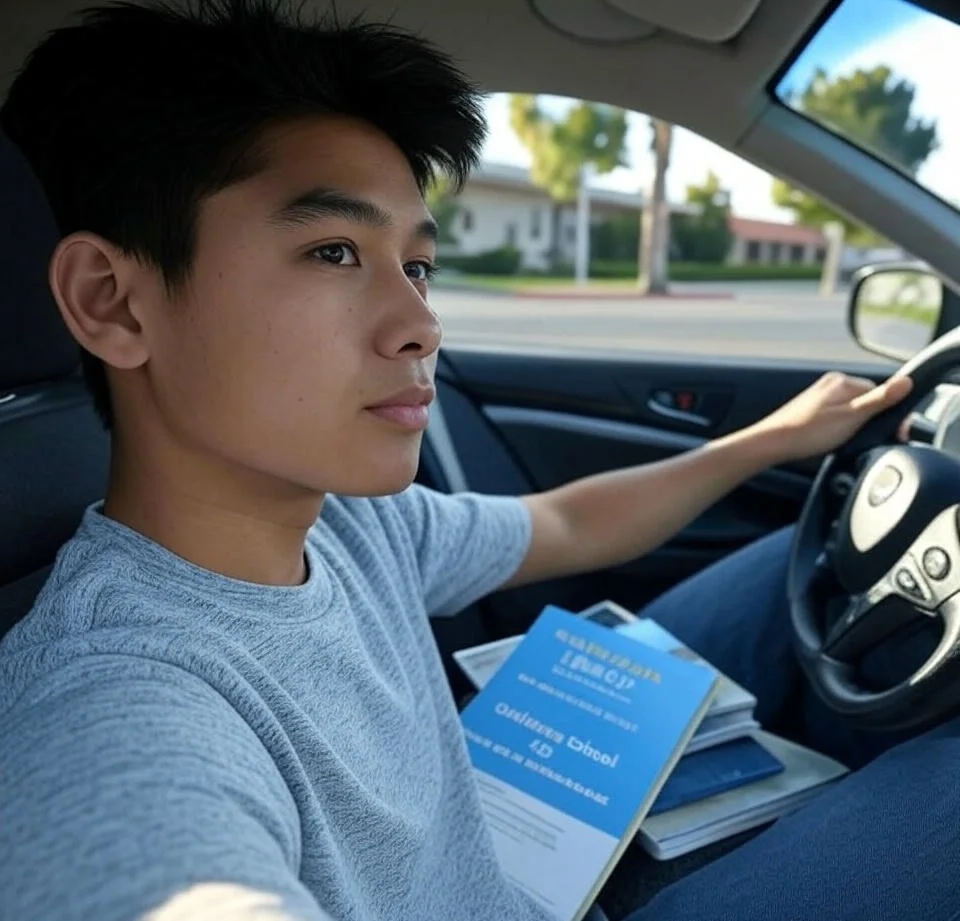
Mastering statutory driver licensing regulations and highway laws ensures first-time test success.
Quick Answer & Key Takeaways
Florida DHSMV Class E Knowledge Exam passing criteria: 1) FORMAT: 50 multiple-choice questions (45 road rules, 5 road signs); you must score at least 40 correct (80% passing grade; max 10 missed). 2) TLSAE COURSE MANDATORY: All first-time applicants must complete the 4-hour Traffic Law and Substance Abuse Education (TLSAE) course before testing. 3) ONLINE TESTING FOR MINORS: Teens under 18 can take the test online from home with parent proctoring. 4) GDL RULES: Must hold permit for 12 consecutive months or until age 18 with 50 certified hours (10 at night).
- 50 Questions (40 correct to pass): 80% passing threshold.
- Mandatory 4-Hour TLSAE Course: Must be recorded in the state database before booking test.
- Online Testing Available for Under 18: Adults 18+ must test in-person at a tax collector office.
- 12-Month Holding Requirement: Florida requires 1 full year on a learner's license.
Getting your learner's license in Florida takes a bit more preparation than in most states — the knowledge test has 50 questions (one of the longest in the country), and there are unique requirements like the mandatory TLSAE course that catch many first-timers off guard.
The TLSAE Course — Florida's Unique Requirement
This 2026 guide walks you through everything: what to expect on the written test, how Florida's Graduated Driver Licensing (GDL) program works, what documents to bring, and the smartest way to prepare so you pass on your first try.
- Statutory Compliance: Obeying exact vehicle code thresholds rather than informal habits ensures zero penalty points on exam day.
- Defensive Safety Standard: Maintaining safe following distances and active visual scanning eliminates collision risks under Basic Speed Law principles.
- Hazard Recognition: Anticipating changing traffic patterns and road conditions allows proactive rather than reactive braking.
Before you can apply for a Florida learner's license, you must complete the Traffic Law and Substance Abuse Education (TLSAE) course — commonly called the "Drug and Alcohol" course. This is required for all first-time Florida driver license applicants, regardless of age.
Eligibility — Who Can Apply
Many first-timers show up to the FLHSMV office without their TLSAE certificate and have to reschedule. Complete this course before your office visit — most people do it online from home in a single afternoon.
- Statutory Compliance: Obeying exact vehicle code thresholds rather than informal habits ensures zero penalty points on exam day.
- Defensive Safety Standard: Maintaining safe following distances and active visual scanning eliminates collision risks under Basic Speed Law principles.
- Hazard Recognition: Anticipating changing traffic patterns and road conditions allows proactive rather than reactive braking.
If you attended a Florida high school driver's education program, check whether TLSAE is already included in the curriculum — many programs bundle it in.
The Written Test — What to Expect
To apply for a Florida learner's license (Class E Knowledge Test), you must be at least 15 years old and a Florida resident.
- Statutory Compliance: Obeying exact vehicle code thresholds rather than informal habits ensures zero penalty points on exam day.
- Defensive Safety Standard: Maintaining safe following distances and active visual scanning eliminates collision risks under Basic Speed Law principles.
- Hazard Recognition: Anticipating changing traffic patterns and road conditions allows proactive rather than reactive braking.
The Florida knowledge test is a 50-question multiple-choice exam. You need to answer at least 40 questions correctly (80%) to pass. There is no time limit — take your time and read each question carefully.
Test Format
Florida does not have a separate road signs test — sign questions are woven into the main 50-question exam. The test is offered in English, Spanish, and Haitian Creole.
- Statutory Compliance: Obeying exact vehicle code thresholds rather than informal habits ensures zero penalty points on exam day.
- Defensive Safety Standard: Maintaining safe following distances and active visual scanning eliminates collision risks under Basic Speed Law principles.
- Hazard Recognition: Anticipating changing traffic patterns and road conditions allows proactive rather than reactive braking.
Most states have 20–30 question tests. Florida's 50-question format means broader coverage — you can't skip studying entire topic areas and expect to pass. That said, with consistent practice, most students find 50 questions perfectly manageable.
What the Test Covers
Since the passing score is 80%, consistently scoring 90%+ on Florida practice tests gives you a comfortable buffer. On the real exam, wording and question framing will feel slightly different — that extra cushion matters.
- Statutory Compliance: Obeying exact vehicle code thresholds rather than informal habits ensures zero penalty points on exam day.
- Defensive Safety Standard: Maintaining safe following distances and active visual scanning eliminates collision risks under Basic Speed Law principles.
- Hazard Recognition: Anticipating changing traffic patterns and road conditions allows proactive rather than reactive braking.
The Florida Driver Handbook is the official source for all test questions. It's free to download from FLHSMV and available in English, Spanish, and Haitian Creole.
Interactive Knowledge Check
Question: What 4-hour course must all first-time driver license applicants complete before taking the Florida permit test?
Authoritative Sources & Regulatory References
Content and statutory guidelines in this guide are verified against official state vehicle codes, federal transportation standards, and authoritative regulatory documentation:
- AAMVAOfficial State Driver Handbooks & Licensing Examination Criteria (2026)(American Association of Motor Vehicle Administrators)
- NHTSANational Highway Traffic Safety Administration (NHTSA) Uniform Guidelines for State Highway Safety(National Highway Traffic Safety Administration)
- FHWAFederal Highway Administration (FHWA) Manual on Uniform Traffic Control Devices (MUTCD)(Federal Highway Administration)
89% of people found this article helpful.
Click a star to add your vote
225 votes • average 4.51 out of 5
Official 2026 DMV Practice Tests by State
Select your state to practice real exam questions based on the latest 2026 driver handbook.
Ready to Pass the DMV Test on Your First Try?
Practice real 2026 DMV questions with instant answer explanations, simulated timers, and pass-guarantee study guides.
Start Free Practice Test