Common DMV Written Test Mistakes and How to Avoid Them
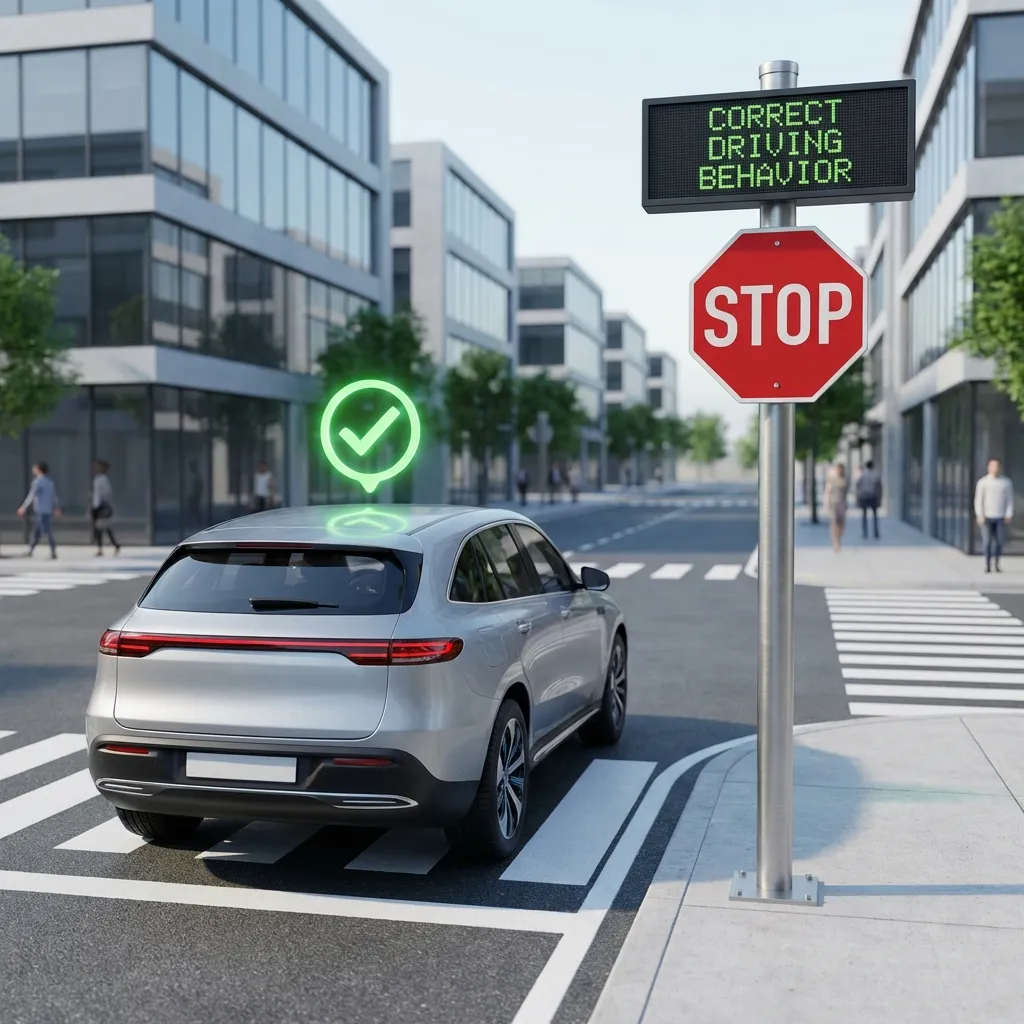
Mastering statutory driver licensing regulations and highway laws ensures first-time test success.
Quick Answer & Key Takeaways
Over 40% of test takers fail their first DMV written exam due to preventable testing mistakes: 1) MISSING NEGATIVE WORDS: Overlooking words like "EXCEPT", "NOT", or "UNLESS" in question stems. 2) CONFUSING PARKING DISTANCES: Mixing up 15 ft (fire hydrant), 20 ft (crosswalk), and 30 ft (stop sign). 3) BAC TRAPS: Forgetting that underage Zero Tolerance is 0.01%, not 0.08%. 4) RIGHT-OF-WAY MISUNDERSTANDINGS: Assuming pedestrians only have right-of-way if crosswalk lines are painted (unmarked crosswalks carry identical legal protections).
- Read Every Word Twice: Watch for negative qualifiers that flip the correct answer.
- Memorize Exact Distance Numbers: Hydrants (15 ft), Railroads (7.5 ft), Curb (18 inches).
- Unmarked Crosswalk Law: Pedestrians always have statutory right-of-way at four-way corners.
- Use the Skip Button: Bypass difficult questions on touchscreen terminals to bank easy passing points.
Every year, thousands of test-takers fail their DMV permit test due to preventable mistakes. These aren't failures because the material is too difficult – they're failures because students make common, avoidable errors that cost them their passing score.
Not Reading Questions Carefully
Analysis of DMV test results shows that approximately 40% of first-time test-takers fail their permit exam. The majority of these failures can be traced back to seven specific mistakes that occur repeatedly across different states and demographics.
- Statutory Compliance: Obeying exact vehicle code thresholds rather than informal habits ensures zero penalty points on exam day.
- Defensive Safety Standard: Maintaining safe following distances and active visual scanning eliminates collision risks under Basic Speed Law principles.
- Hazard Recognition: Anticipating changing traffic patterns and road conditions allows proactive rather than reactive braking.
Understanding these common pitfalls and learning how to avoid them can dramatically improve your chances of passing on the first attempt, saving you time, money, and the stress of retaking the exam.
The Problem
Many test-takers rush through questions and miss critical words like "NOT," "EXCEPT," "UNLESS," or "ALWAYS." These qualifying words completely change the meaning of the question. For example, "Which of the following is NOT required when..." asks for the opposite of what many students instinctively look for.
- Statutory Compliance: Obeying exact vehicle code thresholds rather than informal habits ensures zero penalty points on exam day.
- Defensive Safety Standard: Maintaining safe following distances and active visual scanning eliminates collision risks under Basic Speed Law principles.
- Hazard Recognition: Anticipating changing traffic patterns and road conditions allows proactive rather than reactive braking.
Another common reading error is misunderstanding scenario-based questions. Students often focus on one detail while missing the overall context that determines the correct answer.
The Solution
Develop a systematic reading approach:
- Statutory Compliance: Obeying exact vehicle code thresholds rather than informal habits ensures zero penalty points on exam day.
- Defensive Safety Standard: Maintaining safe following distances and active visual scanning eliminates collision risks under Basic Speed Law principles.
- Hazard Recognition: Anticipating changing traffic patterns and road conditions allows proactive rather than reactive braking.
Road signs are designed to be quickly recognizable, but many share similar colors or shapes that can confuse test-takers. Common mix-ups include yield versus stop signs, "Do Not Enter" versus "Wrong Way," and various warning signs that have similar triangular shapes.
Confusing Similar Road Signs
Students often rely on memorizing individual signs rather than understanding the systematic logic behind sign design, leading to confusion when faced with less common variations or similar-looking signs.
- Statutory Compliance: Obeying exact vehicle code thresholds rather than informal habits ensures zero penalty points on exam day.
- Defensive Safety Standard: Maintaining safe following distances and active visual scanning eliminates collision risks under Basic Speed Law principles.
- Hazard Recognition: Anticipating changing traffic patterns and road conditions allows proactive rather than reactive braking.
Learn the systematic approach to road sign recognition:
The Problem
Many students assume speed limits are standardized across the country, but every state has unique limits for different types of areas. What might be 25 mph in residential areas in one state could be 30 mph in another.
- Statutory Compliance: Obeying exact vehicle code thresholds rather than informal habits ensures zero penalty points on exam day.
- Defensive Safety Standard: Maintaining safe following distances and active visual scanning eliminates collision risks under Basic Speed Law principles.
- Hazard Recognition: Anticipating changing traffic patterns and road conditions allows proactive rather than reactive braking.
Test-takers often rely on "common sense" rather than learning their specific state's laws, leading to incorrect answers on what should be straightforward questions. This is especially problematic for school zones, construction areas, and business districts where speed limits vary significantly.
Interactive Knowledge Check
Question: Which of the following is the most common reason applicants select the wrong answer on DMV multiple-choice tests?
Authoritative Sources & Regulatory References
Content and statutory guidelines in this guide are verified against official state vehicle codes, federal transportation standards, and authoritative regulatory documentation:
- AAMVAOfficial State Driver Handbooks & Licensing Examination Criteria (2026)(American Association of Motor Vehicle Administrators)
- NHTSANational Highway Traffic Safety Administration (NHTSA) Uniform Guidelines for State Highway Safety(National Highway Traffic Safety Administration)
- FHWAFederal Highway Administration (FHWA) Manual on Uniform Traffic Control Devices (MUTCD)(Federal Highway Administration)
91% of people found this article helpful.
Click a star to add your vote
208 votes • average 4.62 out of 5
Official 2026 DMV Practice Tests by State
Select your state to practice real exam questions based on the latest 2026 driver handbook.
Ready to Pass the DMV Test on Your First Try?
Practice real 2026 DMV questions with instant answer explanations, simulated timers, and pass-guarantee study guides.
Start Free Practice Test