Parking for Beginners: Parallel, Perpendicular, Angle & Hill Guide
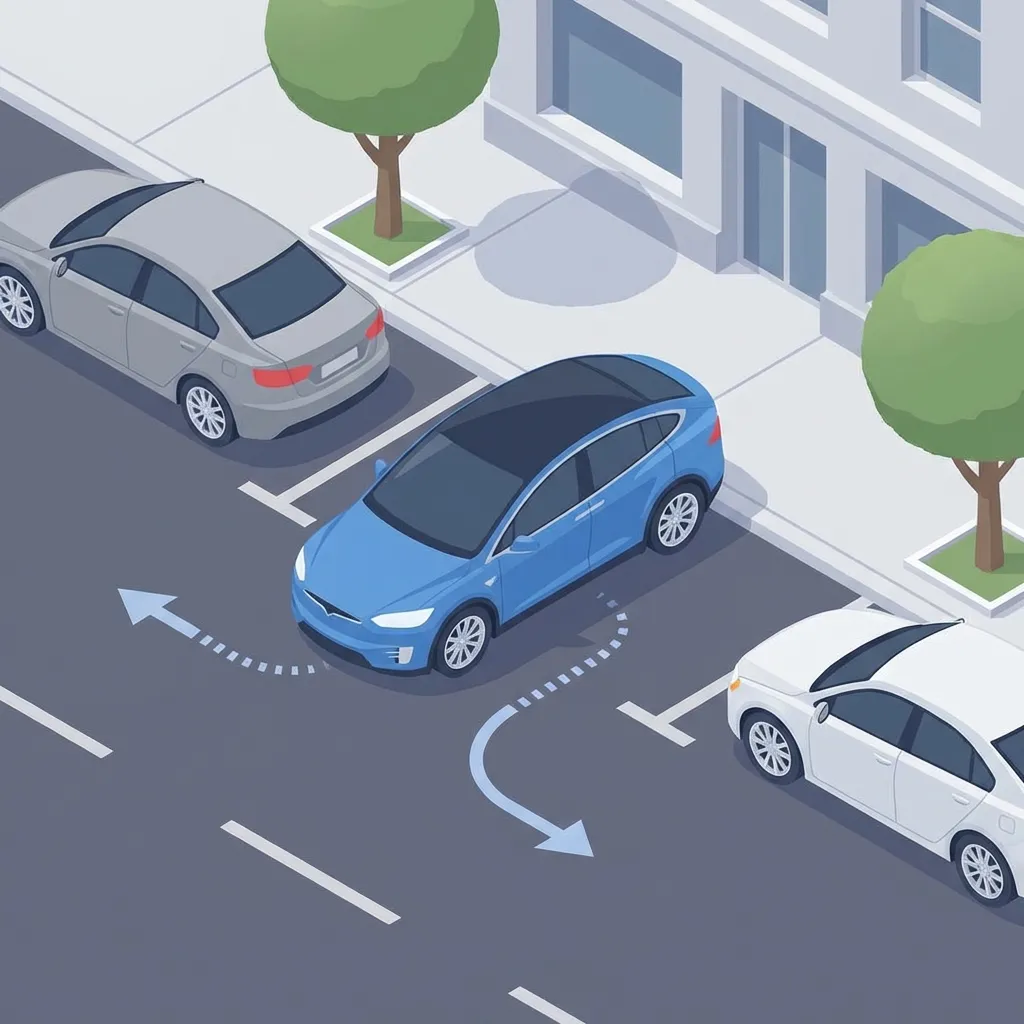
Mastering statutory driver licensing regulations and highway laws ensures first-time test success.
Quick Answer & Key Takeaways
Mastering the four primary parking maneuvers: 1) PARALLEL PARKING: Pull even 2–3 ft from lead car; reverse straight until rear window aligns with lead bumper; cut wheel 45° toward curb; reverse until side mirror crosses rear bumper; cut wheel opposite way into spot. 2) PERPENDICULAR: Full lock turn when side mirror passes first painted line. 3) ANGLE: Glide in with 5-ft buffer; back out straight 2 ft before turning wheel. 4) HILL PARKING: Uphill with curb = Turn wheels LEFT (away from curb). All other hill configurations = Turn wheels RIGHT (toward curb/roadside).
- Parallel Parking 45° Angle: Turn opposite when front bumper clears lead rear bumper.
- Uphill With Curb (UCLA): Uphill Curb = Left Always. All other hills = Right.
- 18-Inch Curb Rule: Right wheels must be within 18 inches of the curb.
- Backing Out of Stalls: Creep 2 ft to display reverse lights before turning steering wheel.
Parking is one of the most stressful parts of learning to drive. For many new drivers, it’s not highway driving or traffic that causes anxiety — it’s pulling into a tight space while other cars are watching.
Why Parking Feels So Hard for Beginners
The good news? Parking is a skill, not a talent. With the right technique and a little practice, anyone can master parallel, reverse, and angle parking. In this beginner-friendly guide, we’ll break down each parking type step by step, explain common mistakes, and share tips that make parking easier and less stressful.
- Statutory Compliance: Obeying exact vehicle code thresholds rather than informal habits ensures zero penalty points on exam day.
- Defensive Safety Standard: Maintaining safe following distances and active visual scanning eliminates collision risks under Basic Speed Law principles.
- Hazard Recognition: Anticipating changing traffic patterns and road conditions allows proactive rather than reactive braking.
Whether you’re preparing for your DMV driving test or just want to feel more confident behind the wheel, this guide will help you park like a pro.
Parallel Parking (Step-by-Step)
If parking makes you nervous, you’re not alone. Here’s why new drivers struggle with it:
- Statutory Compliance: Obeying exact vehicle code thresholds rather than informal habits ensures zero penalty points on exam day.
- Defensive Safety Standard: Maintaining safe following distances and active visual scanning eliminates collision risks under Basic Speed Law principles.
- Hazard Recognition: Anticipating changing traffic patterns and road conditions allows proactive rather than reactive braking.
The truth is, parking gets easier once your brain learns the visual cues. After enough repetitions, your eyes and hands start working together automatically.
When You’ll Use Parallel Parking
Parallel parking is often the most feared — and most tested — parking skill. You’ll use it when parking on a street between two cars.
- Statutory Compliance: Obeying exact vehicle code thresholds rather than informal habits ensures zero penalty points on exam day.
- Defensive Safety Standard: Maintaining safe following distances and active visual scanning eliminates collision risks under Basic Speed Law principles.
- Hazard Recognition: Anticipating changing traffic patterns and road conditions allows proactive rather than reactive braking.
Look for a space that is at least 1.5 times the length of your car.
Parallel Parking Step-by-Step
Align your car parallel to the car in front of the empty space. Leave about 2–3 feet of space between vehicles.
- Statutory Compliance: Obeying exact vehicle code thresholds rather than informal habits ensures zero penalty points on exam day.
- Defensive Safety Standard: Maintaining safe following distances and active visual scanning eliminates collision risks under Basic Speed Law principles.
- Hazard Recognition: Anticipating changing traffic patterns and road conditions allows proactive rather than reactive braking.
Turn your steering wheel fully to the right and begin backing up slowly.
Common Parallel Parking Mistakes
When your car is about 45 degrees into the space, straighten the wheel and continue reversing.
- Statutory Compliance: Obeying exact vehicle code thresholds rather than informal habits ensures zero penalty points on exam day.
- Defensive Safety Standard: Maintaining safe following distances and active visual scanning eliminates collision risks under Basic Speed Law principles.
- Hazard Recognition: Anticipating changing traffic patterns and road conditions allows proactive rather than reactive braking.
As your front clears the back car, turn your wheel fully to the left to bring your front end into the space.
Interactive Knowledge Check
Question: When parking your vehicle facing UPHILL on a street with a raised concrete curb, which direction must your front wheels be turned?
Authoritative Sources & Regulatory References
Content and statutory guidelines in this guide are verified against official state vehicle codes, federal transportation standards, and authoritative regulatory documentation:
- AAMVAOfficial State Driver Handbooks & Licensing Examination Criteria (2026)(American Association of Motor Vehicle Administrators)
- NHTSANational Highway Traffic Safety Administration (NHTSA) Uniform Guidelines for State Highway Safety(National Highway Traffic Safety Administration)
- FHWAFederal Highway Administration (FHWA) Manual on Uniform Traffic Control Devices (MUTCD)(Federal Highway Administration)
91% of people found this article helpful.
Click a star to add your vote
138 votes • average 4.56 out of 5
Official 2026 DMV Practice Tests by State
Select your state to practice real exam questions based on the latest 2026 driver handbook.
Ready to Pass the DMV Test on Your First Try?
Practice real 2026 DMV questions with instant answer explanations, simulated timers, and pass-guarantee study guides.
Start Free Practice Test