Texas DPS Driver License Test: 2026 Requirements & Study Guide
Mastering statutory driver licensing regulations and highway laws ensures first-time test success.
Quick Answer & Key Takeaways
Texas Department of Public Safety (DPS) driver licensing requirements: 1) KNOWLEDGE TEST: 30 multiple-choice questions; you must score at least 21 correct (70% passing grade; max 9 errors). 2) MANDATORY ITYD / ITTD VIDEO: All applicants must watch the free Impact Texas Drivers (ITYD for teens, ITTD for adults) distracted driving video and present the certificate within 90 days of the road test. 3) TEEN DRIVER ED (UNDER 18): 32 classroom hours + 44 behind-the-wheel hours (14 hours professional + 30 parent hours, with 10 at night). 4) 6-MONTH HOLDING.
- 30 Questions (21 correct to pass): 70% passing threshold.
- Mandatory Impact Texas Drivers (ITD) Certificate: Must be completed within 90 days of road test.
- 44 Total Behind-the-Wheel Hours: 14 hours instruction + 30 hours practice (10 night).
- 6-Month Permit Holding for Minors: Minimum age 15 for permit, 16 for license.
When I moved to Texas from California three years ago, one of the first things I had to do was get my Texas driver's license. I thought it would be straightforward since I'd been driving for years, but the permit test had a bunch of Texas-specific rules that I'd never encountered before. The test isn't hard if you prepare properly, but you can't just wing it and expect to pass.
Understanding the Test Format
The Texas Department of Public Safety gives you 30 multiple-choice questions, and you need to get at least 21 correct to pass. That's a 70% passing score, which sounds manageable, but the questions can be tricky if you haven't studied the material. The test covers traffic laws, road signs, and safe driving practices that are specific to Texas.
- Statutory Compliance: Obeying exact vehicle code thresholds rather than informal habits ensures zero penalty points on exam day.
- Defensive Safety Standard: Maintaining safe following distances and active visual scanning eliminates collision risks under Basic Speed Law principles.
- Hazard Recognition: Anticipating changing traffic patterns and road conditions allows proactive rather than reactive braking.
You can find the official study material in the Texas Driver Handbook on the DPS website. It's free to download, and honestly, everything on the test comes from this handbook. I spent about three days reading through it and taking practice tests before I felt ready.
The Move Over Law Will Be on Your Test
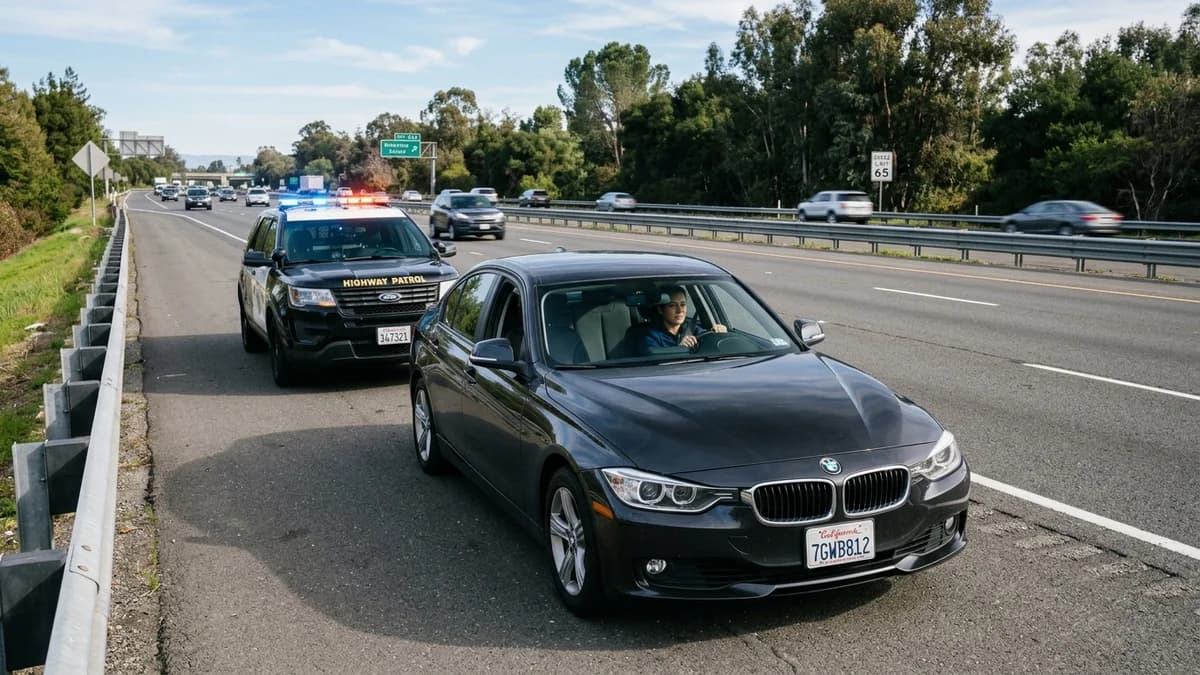
One law that definitely shows up on the test is the Move Over or Slow Down law. This is Texas Transportation Code Section 545.157, and it's pretty straightforward once you understand it. When you see emergency vehicles, tow trucks, or utility vehicles stopped on the side of the road with their lights flashing, you're required to move over one lane if it's safe to do so.
- Statutory Compliance: Obeying exact vehicle code thresholds rather than informal habits ensures zero penalty points on exam day.
- Defensive Safety Standard: Maintaining safe following distances and active visual scanning eliminates collision risks under Basic Speed Law principles.
- Hazard Recognition: Anticipating changing traffic patterns and road conditions allows proactive rather than reactive braking.
If you can't move over because of traffic or road conditions, you have to slow down to 20 mph below the posted speed limit. So if you're on a highway with a 70 mph speed limit and you can't change lanes, you need to slow down to 50 mph. I've seen people get pulled over for not following this rule on I-35, and the fines are steep. The Texas Department of Transportation has more details about this law if you want to read up on it.
Texas Speed Limits Are Higher Than Most States
Coming from California, I was shocked to see 85 mph speed limit signs on certain highways in Texas. The test will ask you about speed limits in different areas, so you need to memorize these numbers. In urban areas, the default speed limit is 30 mph unless there's a sign saying otherwise. School zones drop down to 25 mph when children are present or when the signs are flashing.
- Statutory Compliance: Obeying exact vehicle code thresholds rather than informal habits ensures zero penalty points on exam day.
- Defensive Safety Standard: Maintaining safe following distances and active visual scanning eliminates collision risks under Basic Speed Law principles.
- Hazard Recognition: Anticipating changing traffic patterns and road conditions allows proactive rather than reactive braking.
On Texas interstates, the speed limits range from 75 to 85 mph depending on which highway you're on. State Highway 130 between Austin and San Antonio has an 85 mph limit, which is the highest in the country. In residential alleys, the speed limit is just 15 mph. These specific numbers come up on the test, so make sure you know them cold.
Zero Tolerance for Underage Drinking
If you're under 21, Texas has a zero-tolerance policy for alcohol. Any detectable amount of alcohol in your system while driving will get your license suspended. It doesn't matter if you're just barely over zero—the law is strict about this. On top of losing your license, you'll likely have to complete 20 to 40 hours of community service and take an alcohol awareness course.
- Statutory Compliance: Obeying exact vehicle code thresholds rather than informal habits ensures zero penalty points on exam day.
- Defensive Safety Standard: Maintaining safe following distances and active visual scanning eliminates collision risks under Basic Speed Law principles.
- Hazard Recognition: Anticipating changing traffic patterns and road conditions allows proactive rather than reactive braking.
The test always includes questions about DUI penalties and the consequences of drinking and driving. The Texas DPS website has a whole section explaining the penalties for DUI, and it's worth reading through because those details can show up on the exam.
Right-of-Way Rules Are Heavily Tested
A big chunk of the test focuses on right-of-way scenarios, which makes sense because that's where a lot of accidents happen. The basic rule is that you yield to whoever has the right of way, but knowing who has the right of way in different situations is what trips people up.
- Statutory Compliance: Obeying exact vehicle code thresholds rather than informal habits ensures zero penalty points on exam day.
- Defensive Safety Standard: Maintaining safe following distances and active visual scanning eliminates collision risks under Basic Speed Law principles.
- Hazard Recognition: Anticipating changing traffic patterns and road conditions allows proactive rather than reactive braking.
At roundabouts, you always yield to traffic that's already in the circle before you enter. At uncontrolled intersections where there are no stop signs or traffic lights, you yield to vehicles approaching from your right. Emergency vehicles with their sirens and lights on always have the right of way, no matter what. You need to pull over and stop until they pass.
Interactive Knowledge Check
Question: What free online video certificate must all Texas driver license applicants present before taking their behind-the-wheel road exam?
Authoritative Sources & Regulatory References
Content and statutory guidelines in this guide are verified against official state vehicle codes, federal transportation standards, and authoritative regulatory documentation:
- AAMVAOfficial State Driver Handbooks & Licensing Examination Criteria (2026)(American Association of Motor Vehicle Administrators)
- NHTSANational Highway Traffic Safety Administration (NHTSA) Uniform Guidelines for State Highway Safety(National Highway Traffic Safety Administration)
- FHWAFederal Highway Administration (FHWA) Manual on Uniform Traffic Control Devices (MUTCD)(Federal Highway Administration)
92% of people found this article helpful.
Click a star to add your vote
292 votes • average 4.67 out of 5
Official 2026 DMV Practice Tests by State
Select your state to practice real exam questions based on the latest 2026 driver handbook.
Ready to Pass the DMV Test on Your First Try?
Practice real 2026 DMV questions with instant answer explanations, simulated timers, and pass-guarantee study guides.
Start Free Practice Test