10 Driving Laws Americans Get Wrong Every Day
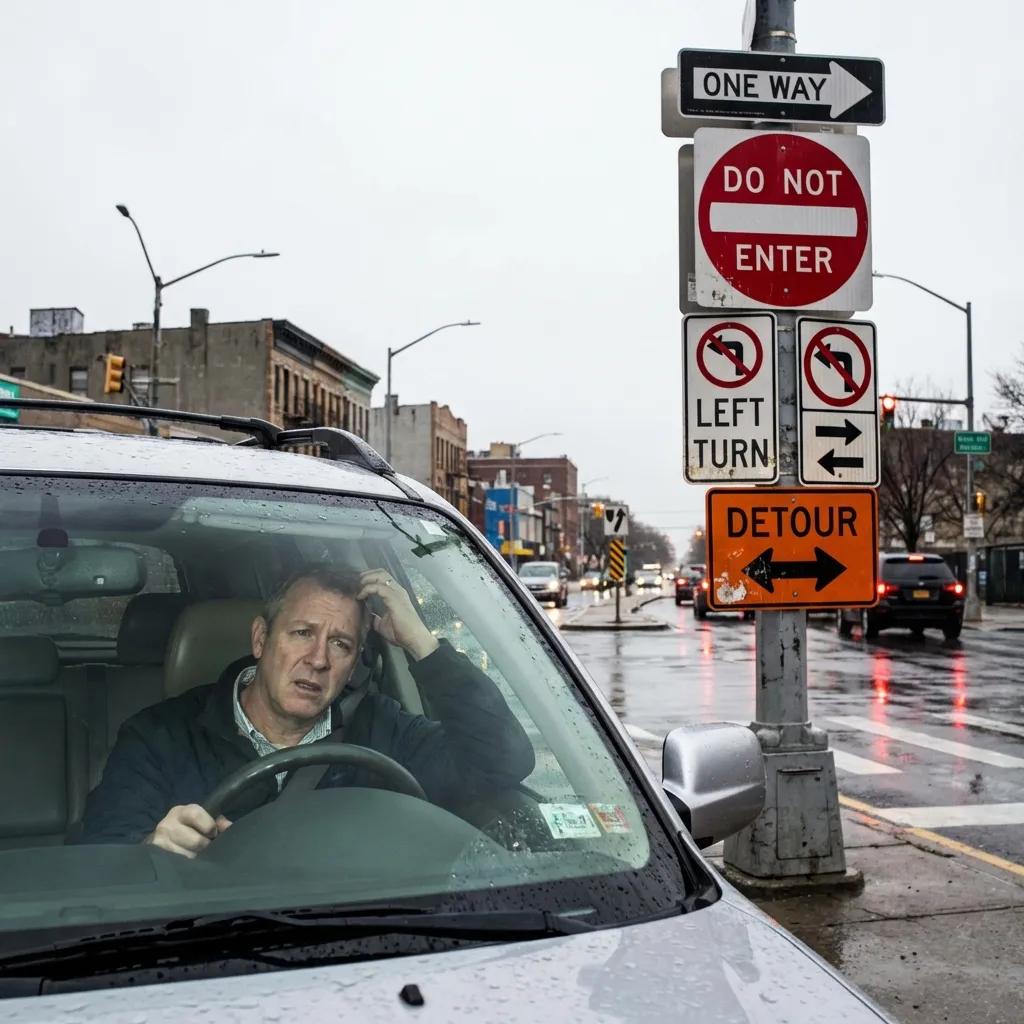
Mastering statutory driver licensing regulations and highway laws ensures first-time test success.
Quick Answer & Key Takeaways
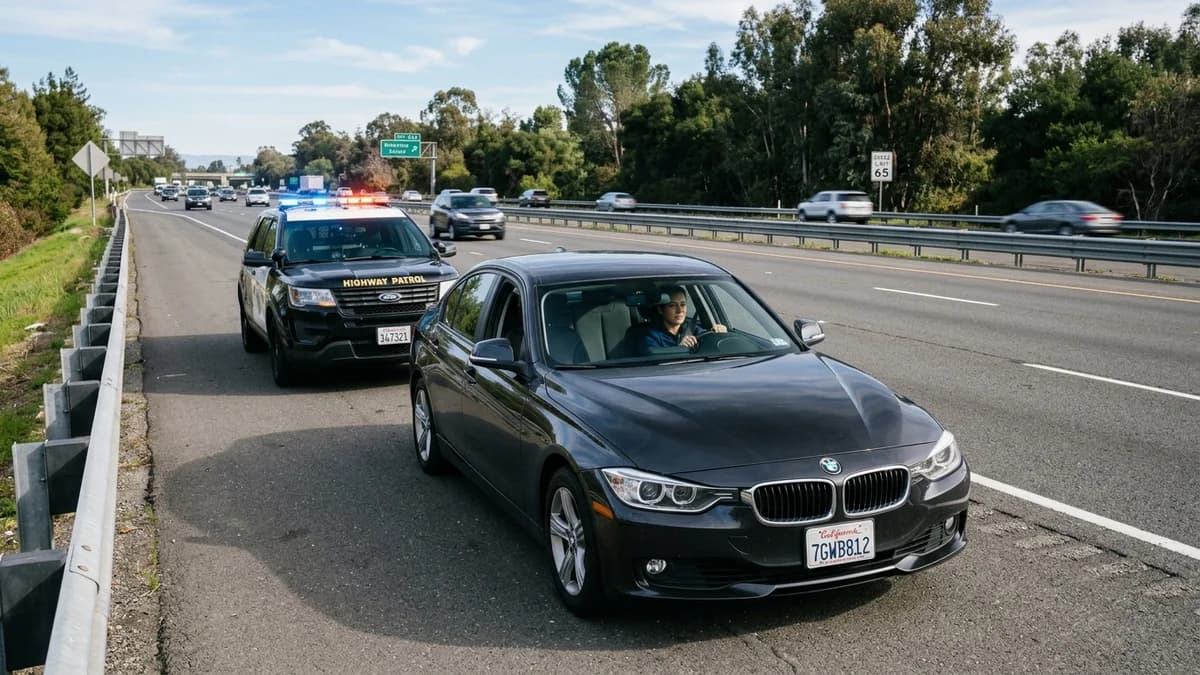
American traffic laws contain several widely misunderstood rules: 1) 4-WAY STOPS: When two vehicles arrive simultaneously, the vehicle on the RIGHT goes first. 2) FLASHING RED LIGHTS: Function identically to a Stop Sign (complete 0.0 MPH stop required). 3) CENTER LEFT-TURN LANES: You cannot drive in them for more than 200 feet before turning. 4) HEADLIGHTS WITH WIPERS: Over 30 states mandate headlights whenever wipers are continuous. 5) MOVE OVER LAWS: You must vacate the adjacent lane or slow down by 20 MPH when passing stopped emergency vehicles.
- Simultaneous 4-Way Stop Arrival: The driver on your right has the legal right-of-way.
- Flashing Red Equals Stop Sign: Complete stop behind the limit line before proceeding.
- Center Turn Lane Distance Limit: Continuous driving in the suicide lane is capped at 200 feet.
- Move Over or Slow Down: Vacate adjacent lanes when passing emergency vehicles with flashing lights.
We've all been there: you're driving along, and suddenly another driver does something that makes you question if they ever took a driving test. But here's the uncomfortable truth—many of the "rules" we think are correct are actually common misconceptions.
The "Fast Lane" Fallacy
Traffic laws vary by state, but certain fundamentals are misunderstood across the board. Believing these driving myths doesn't just make you an annoying driver; it can lead to tickets, accidents, and failing your DMV test.
- Statutory Compliance: Obeying exact vehicle code thresholds rather than informal habits ensures zero penalty points on exam day.
- Defensive Safety Standard: Maintaining safe following distances and active visual scanning eliminates collision risks under Basic Speed Law principles.
- Hazard Recognition: Anticipating changing traffic patterns and road conditions allows proactive rather than reactive braking.
Here are 10 driving laws most Americans get wrong—and the actual rules you need to follow.
The Myth
"The left lane is the 'fast lane.' As long as I'm driving the speed limit (or slightly over), I can stay in the left lane."
- Statutory Compliance: Obeying exact vehicle code thresholds rather than informal habits ensures zero penalty points on exam day.
- Defensive Safety Standard: Maintaining safe following distances and active visual scanning eliminates collision risks under Basic Speed Law principles.
- Hazard Recognition: Anticipating changing traffic patterns and road conditions allows proactive rather than reactive braking.
In most states, the left lane is legally designated as a passing lane, not a fast lane.
The Reality
"Drivers who wait until the last second to merge when a lane ends are rude 'cutters.' I should merge as early as possible."
- Statutory Compliance: Obeying exact vehicle code thresholds rather than informal habits ensures zero penalty points on exam day.
- Defensive Safety Standard: Maintaining safe following distances and active visual scanning eliminates collision risks under Basic Speed Law principles.
- Hazard Recognition: Anticipating changing traffic patterns and road conditions allows proactive rather than reactive braking.
Traffic engineers actually WANT you to use both lanes until the merge point, especially in heavy traffic. This is called the Zipper Merge.
The Zipper Merge vs. Early Merging
"When I turn left or right onto a multi-lane road, I can pick whichever lane I need for my next move."
- Statutory Compliance: Obeying exact vehicle code thresholds rather than informal habits ensures zero penalty points on exam day.
- Defensive Safety Standard: Maintaining safe following distances and active visual scanning eliminates collision risks under Basic Speed Law principles.
- Hazard Recognition: Anticipating changing traffic patterns and road conditions allows proactive rather than reactive braking.
You must generally turn into the nearest lane.
The Myth
"U-turns are illegal at intersections unless there's a sign permitting them."
- Statutory Compliance: Obeying exact vehicle code thresholds rather than informal habits ensures zero penalty points on exam day.
- Defensive Safety Standard: Maintaining safe following distances and active visual scanning eliminates collision risks under Basic Speed Law principles.
- Hazard Recognition: Anticipating changing traffic patterns and road conditions allows proactive rather than reactive braking.
Actually, it's often the opposite: U-turns are generally legal at intersections unless a "No U-Turn" sign is posted or specific conditions aren't met.
Interactive Knowledge Check
Question: When two vehicles arrive at a 4-way stop intersection at the exact same moment, who has the legal right-of-way?
Authoritative Sources & Regulatory References
Content and statutory guidelines in this guide are verified against official state vehicle codes, federal transportation standards, and authoritative regulatory documentation:
- AAMVAOfficial State Driver Handbooks & Licensing Examination Criteria (2026)(American Association of Motor Vehicle Administrators)
- NHTSANational Highway Traffic Safety Administration (NHTSA) Uniform Guidelines for State Highway Safety(National Highway Traffic Safety Administration)
- FHWAFederal Highway Administration (FHWA) Manual on Uniform Traffic Control Devices (MUTCD)(Federal Highway Administration)
94% of people found this article helpful.
Click a star to add your vote
199 votes • average 4.74 out of 5
Official 2026 DMV Practice Tests by State
Select your state to practice real exam questions based on the latest 2026 driver handbook.
Ready to Pass the DMV Test on Your First Try?
Practice real 2026 DMV questions with instant answer explanations, simulated timers, and pass-guarantee study guides.
Start Free Practice Test