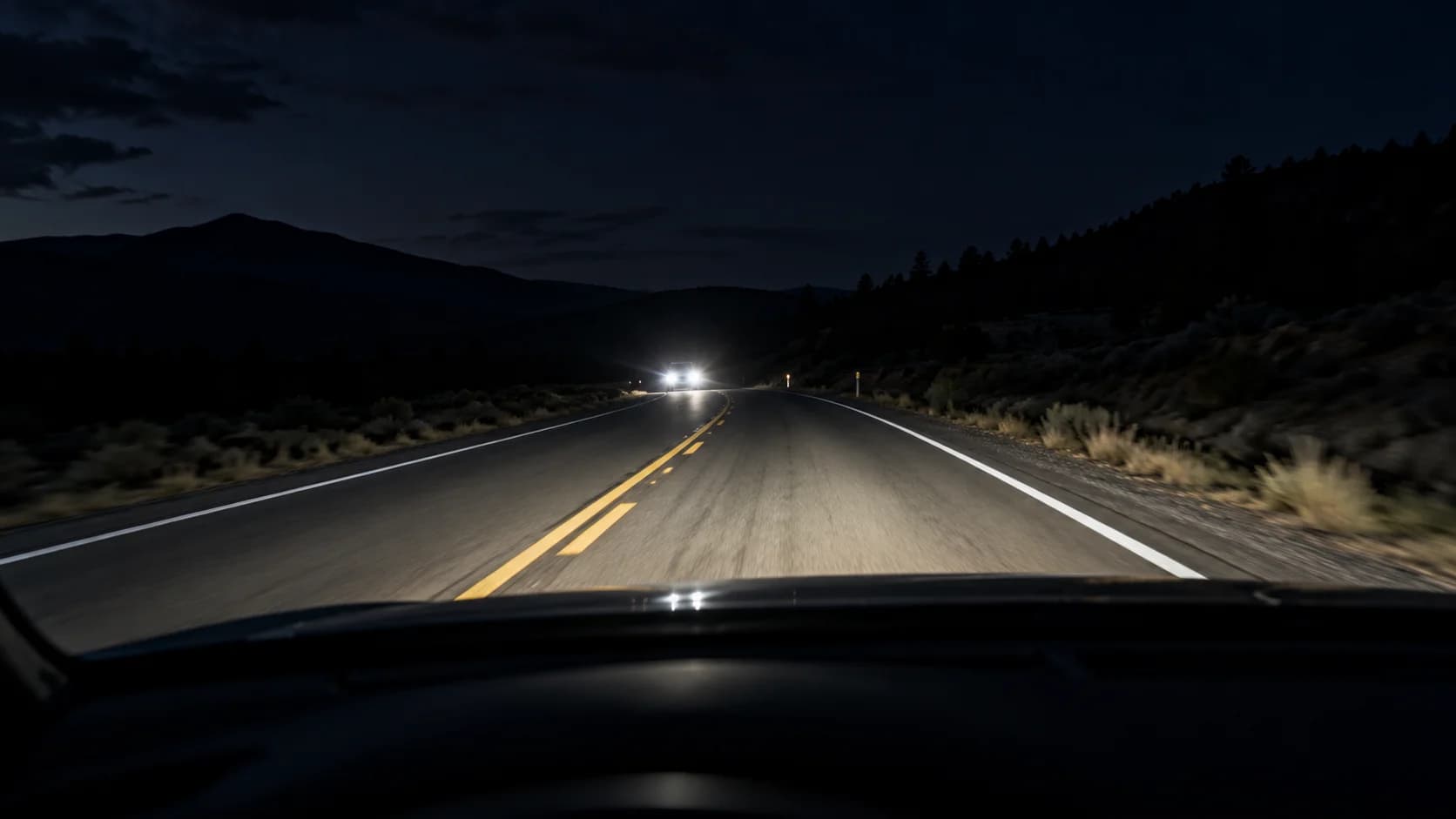
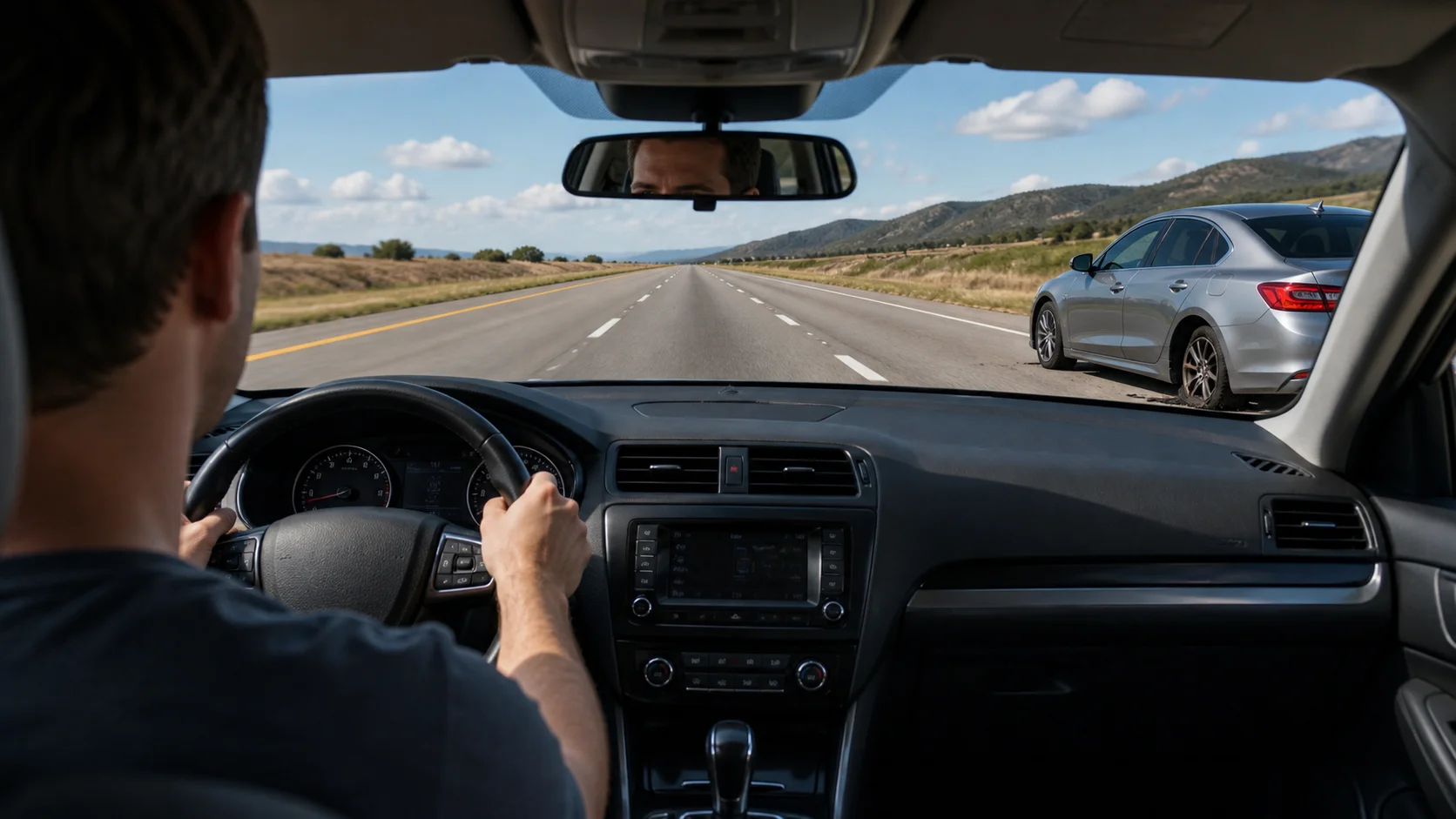
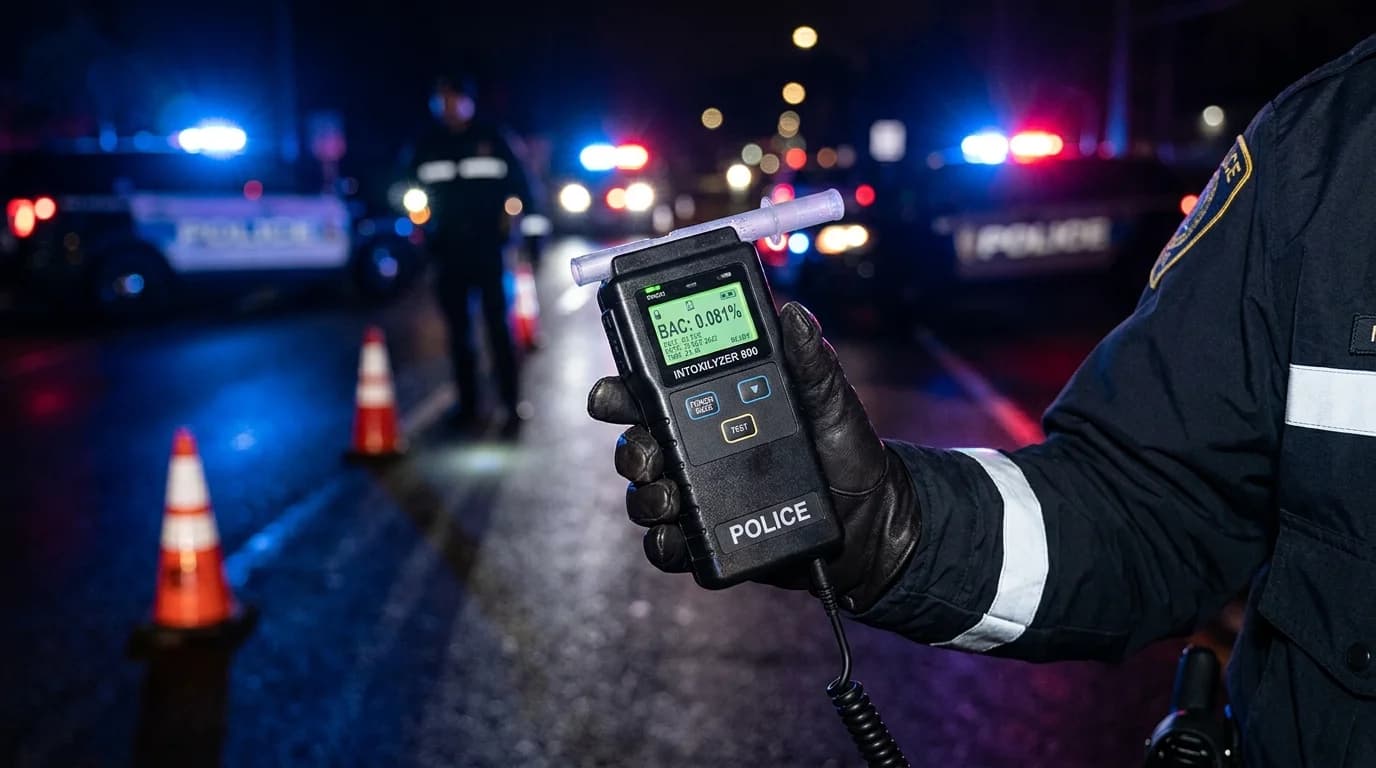
Drowsy Driving vs. Drunk Driving: Why Fatigue Can Be Dangerous
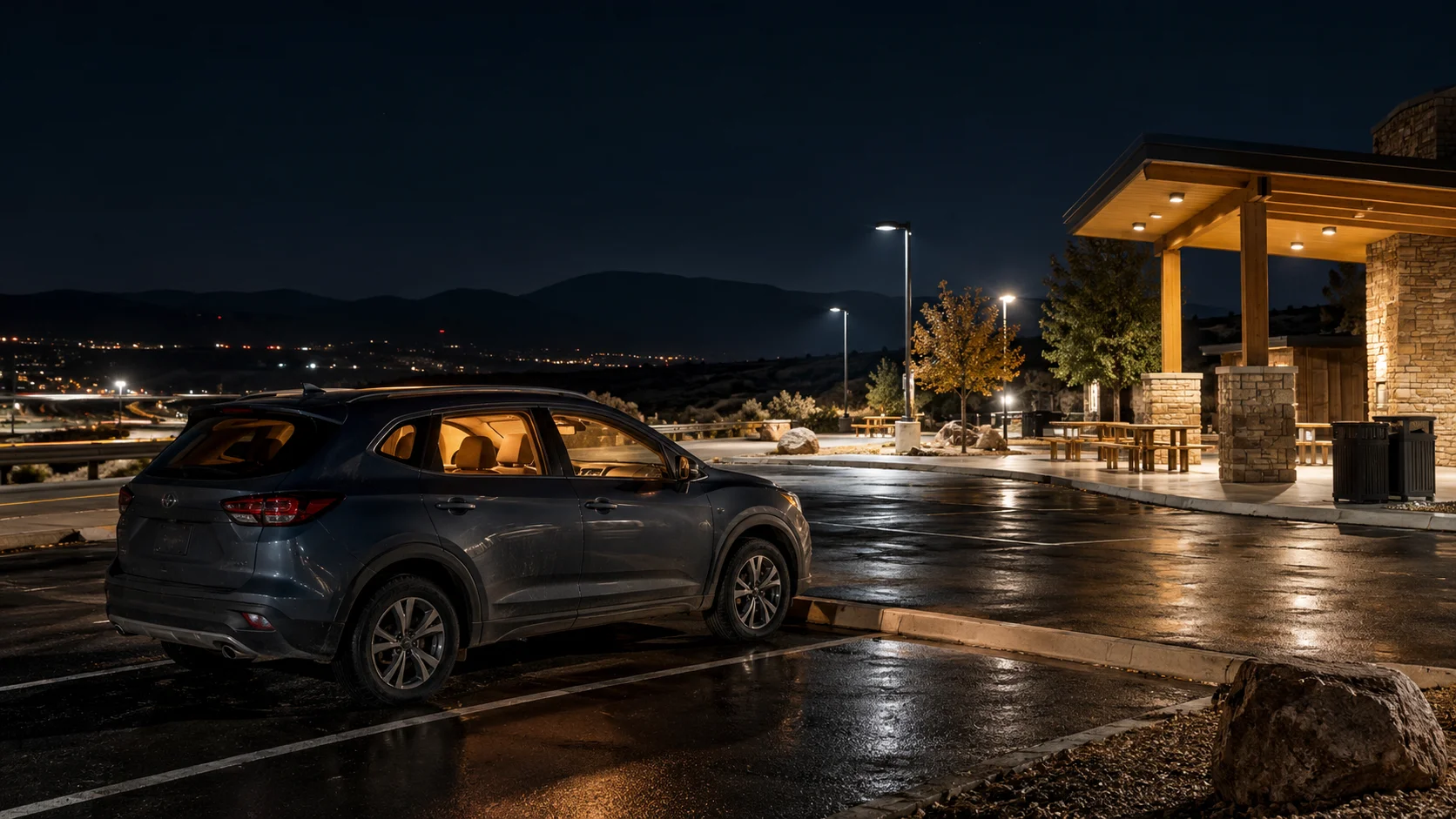
A safe place to stop is part of the plan for any long or late drive.
Quick Answer & Key Takeaways
Drowsiness and alcohol can both weaken attention, reaction, and lane keeping. There is no reliable blood-alcohol number that describes every tired driver, but severe sleep loss can make driving unsafe. If you are struggling to stay awake, leave the road at a safe place and rest or arrange another ride. Music, cold air, and coffee alone do not restore the sleep you need.
- Sleep before long trips; NHTSA advises seven to eight hours for adults.
- Take lane drifting or missing exits as a stop-now warning.
- Alcohol and sleepiness together increase impairment.
- A short nap is a temporary response; adequate sleep is the lasting fix.
What Drowsiness and Alcohol Have in Common
Both can make a driver miss hazards, react slowly, and wander out of a lane. NHTSA’s evidence review describes poorer lane keeping after sleep loss. Its crash research also links fewer hours of sleep with higher crash risk.
That does not mean a certain number of waking hours always equals a particular blood alcohol concentration. People differ, and the law treats impaired driving offenses by jurisdiction. The practical point is simpler: do not drive when you cannot stay alert, even if you have had no alcohol.
Warning Signs That Mean You Should Stop
- Lane trouble: Drifting over markings or hitting a rumble strip.
- Memory gaps: Not remembering the last miles or missing an exit.
- Heavy eyelids: Repeated yawning, blinking, or trouble focusing.
- Late braking: Noticing traffic changes later than usual.
NHTSA notes that drowsy crashes often occur between midnight and 6 a.m. or in the late afternoon, but sleepiness can strike at any time. Similar symptoms on a monotonous highway are discussed in our highway hypnosis article.
| Warning sign | Immediate action | Longer-term fix |
|---|---|---|
| Lane drift | Pull off safely | Get adequate sleep |
| Missed exit | Stop at a safe location | Change trip timing |
| Heavy eyelids | Rest or switch drivers | Avoid late fatigued trips |
What to Do If You Are Already Driving
Signal and reach a safe, legal place to stop, such as a designated rest area. If possible, let a rested licensed driver take over or arrange a ride. If you must pause before continuing, NHTSA suggests coffee followed by a short 20-minute nap in a safe place, while warning that caffeine alone may leave you vulnerable to microsleeps.
Do not treat a nap as permission to finish a long trip while still exhausted. Postpone the remaining drive and get enough sleep. Open windows, loud music, and chewing gum are not substitutes for rest.
Prevent Fatigue Before the Trip
Get a full night of sleep before a long drive and build rest stops into the plan. Check medication labels for drowsiness warnings, and do not combine alcohol with a tired drive. NHTSA says alcohol interacts with sleepiness to increase impairment. For a trip after dark, use our night driving safety checklist.
A concrete choice: if you finish a late shift and catch yourself crossing a lane line on the way home, stop at a safe location and call for a ride. “I am close to home” does not change the risk of falling asleep in the next few minutes.
Knowledge Check
You miss an exit and cannot recall the last few miles. What is the safest next step?
Before a late trip, review the night driving checklist.
Authoritative Sources & Regulatory References
Content and statutory guidelines in this guide are verified against official state vehicle codes, federal transportation standards, and authoritative regulatory documentation:
- NHTSADrowsy Driving(NHTSA signs and countermeasures)
- NHTSAUnderstanding the Problem: Drowsy Driving(NHTSA evidence review)
- NHTSADrowsy Driving and Automobile Crashes(NHTSA crash and impairment report)
93% of people found this article helpful.
Click a star to add your vote
171 votes • average 4.69 out of 5
Ready to Pass the DMV Test on Your First Try?
Practice real 2026 DMV questions with instant answer explanations, simulated timers, and pass-guarantee study guides.
Start Free Practice Test