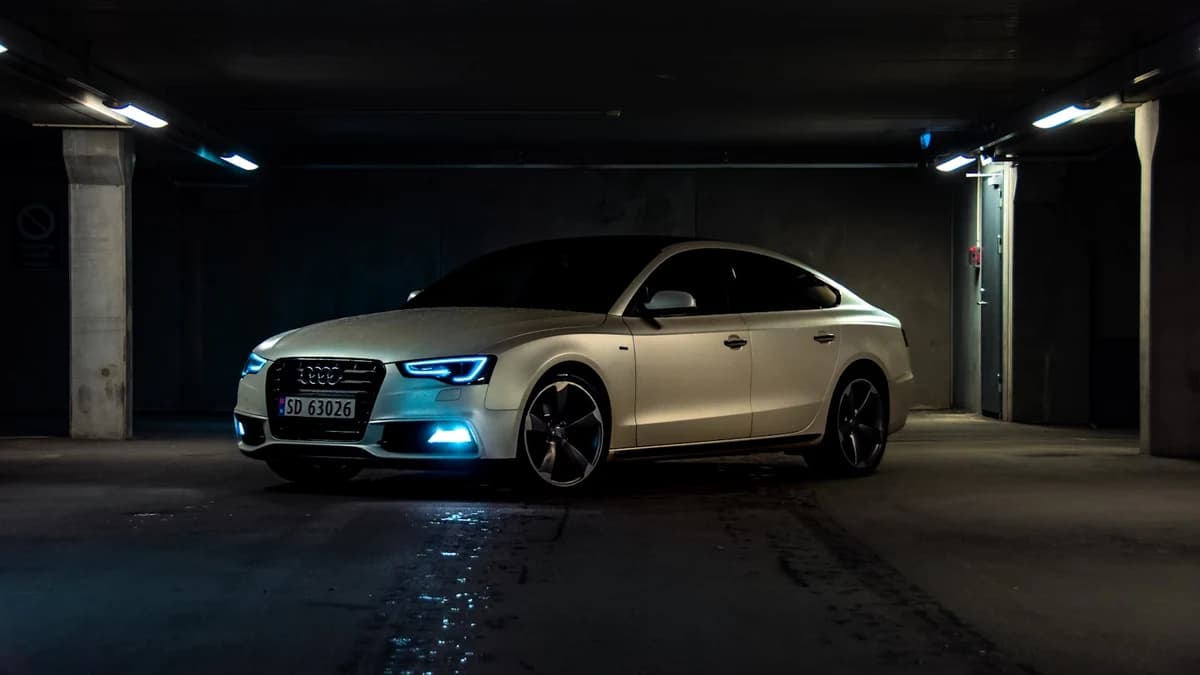
Adaptive Cruise Control (ACC) vs. Traditional Cruise Control: How Radar Sensors Work
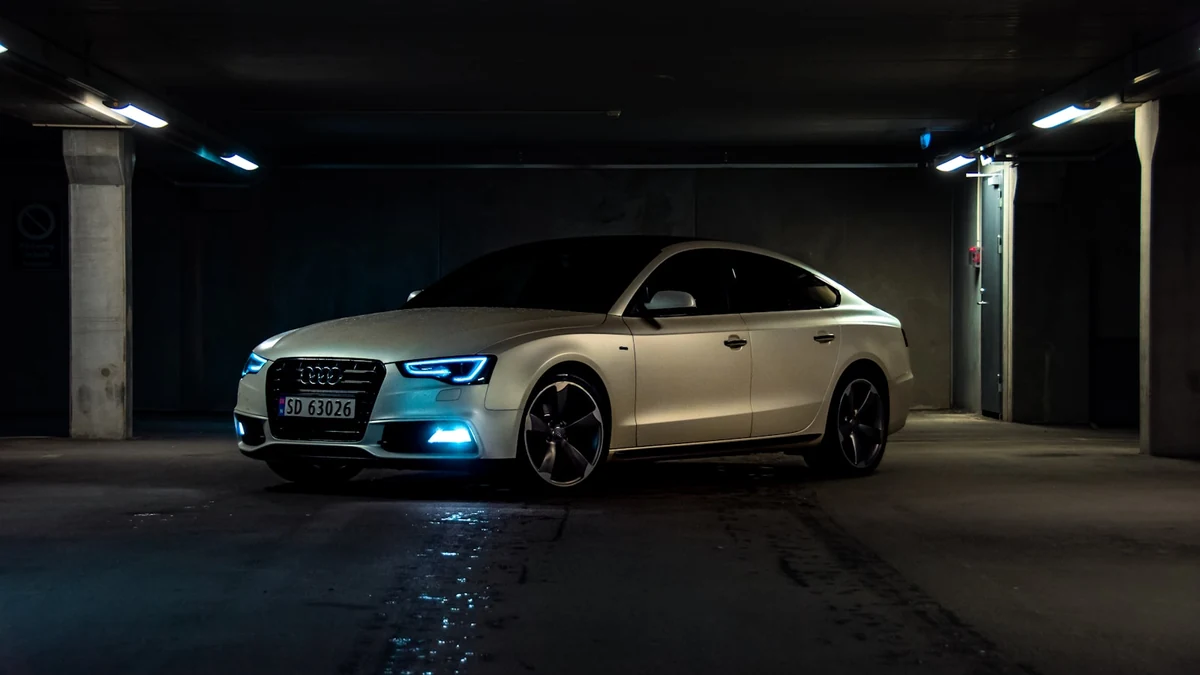
Adaptive Cruise Control automatically modulates throttle and brakes using grille-mounted millimeter-wave radar sensors to maintain safe following distances.
Quick Answer & Key Takeaways
While Traditional Cruise Control simply locks the mechanical throttle at a fixed speed (requiring manual braking if a slower car pulls in front), Adaptive Cruise Control (ACC) uses 77 GHz millimeter-wave radar behind the front grille and windshield cameras to automatically adjust vehicle speed. ACC automatically brakes and accelerates to match the speed of lead vehicles, maintaining a driver-selected 2-to-4 second gap. Modern 'Stop-and-Go' ACC systems can bring the vehicle to a complete stop in traffic jams and resume speed automatically.
- Radar Distance Modulation: ACC constantly measures distance and closing speed 50 times per second.
- Gap Selection: Drivers can toggle following distance bars on the steering wheel (1 to 4 bars, representing 1.5 to 3.5 seconds).
- The Stationary Target Blind Spot: ACC algorithms deliberately filter out stationary objects at highway speeds to prevent false-alarm emergency braking under highway overpasses.
- Bad Weather Limits: Heavy snow, slush, or torrential rain can block front radar sensors, triggering an automatic 'Sensor Occluded' system shutdown.
The Evolution of Cruise Control: Throttle Locks to Millimeter-Wave Radar
Invented in 1948, traditional cruise control was a simple mechanical or electronic governor that held the throttle open at a set velocity (e.g. 65 MPH).
If the car in front slowed to 45 MPH, a traditional cruise system would plow straight into it unless the driver stepped on the brake pedal.
Today, Adaptive Cruise Control (ACC) serves as the foundational sensor layer for SAE Level 1 and Level 2 driver assistance systems.
How ACC Operates: Millimeter Radar & Camera Vision Fusion
Under guidelines published by the NHTSA and SAE International, modern ACC uses sensor fusion:
- 77 GHz Millimeter-Wave Radar: Concealed behind the front grille or bumper emblem, radar pulses penetrate fog and rain to calculate distance and relative closing velocity up to 600 feet ahead.
- Windshield-Mounted Monocular/Stereo Cameras: Identifies lane markings, brake lights, and vehicle silhouettes.
- Brake & Throttle Actuators: Sends commands to the electronic stability control module to apply smooth braking or engine acceleration.
Stop-and-Go ACC vs. Basic ACC (Traffic Jam Assist)
There are two generations of ACC systems:
- Basic ACC (Highway Only): Operates only at speeds above 20–25 MPH. If traffic slows below 20 MPH, the system beeps and disengages, requiring the human driver to brake.
- Full-Speed Range ACC ("Stop-and-Go" / Traffic Jam Assist): Can track a lead vehicle all the way down to 0 MPH in stop-and-go traffic jams, hold the vehicle with the electronic parking brake, and resume acceleration when traffic moves.
Sensor Occlusion: Snow, Heavy Rain & Cut-In Blind Spots
ACC is not infallible. Common failure modes include:
- Winter Slush & Ice Buildup: Wet snow packing against the front bumper radar dome blinds the sensor, causing an immediate warning chime: "Radar Sensor Blocked - ACC Unavailable".
- Aggressive Cut-Ins: When an adjacent car cuts abruptly into your lane within your safe following distance, the radar’s narrow field of view may delay braking until the vehicle is fully centered.
The Stationary Object Trap: Why ACC Ignores Stopped Cars at Lights
Warning: Standard ACC may fail to brake for stopped vehicles at red lights when approaching at highway speeds!
To prevent false-positive emergency braking when driving under overhead steel highway bridges, metal road signs, and manhole covers, automotive engineers program ACC radar filters to ignore non-moving stationary radar returns when cruising at 50+ MPH.
If traffic ahead is stopped dead at a red traffic light and the car ahead of you swerves out of the lane, your ACC vehicle may accelerate toward the stationary stopped car. The driver must always remain vigilant and ready to brake.
Traditional Cruise vs. Adaptive Cruise Master Comparison
| Feature | Traditional Cruise Control | Adaptive Cruise Control (ACC) |
|---|---|---|
| Speed Control | Fixed speed lock | Dynamic speed matching |
| Distance Maintenance | None (Will crash if driver doesn't brake) | Maintains 2–4 second gap |
| Traffic Jam Capability | Unusable in heavy traffic | Full Stop-and-Go support |
| Driver Responsibility | 100% Supervision | 100% Supervision (Level 1/2) |
Interactive Knowledge Check
Question: While driving at 60 MPH using Adaptive Cruise Control (ACC), why might the system fail to brake in time for a car stopped dead at a red traffic light after a lead car suddenly changes lanes?
Authoritative Sources & Regulatory References
Content and statutory guidelines in this guide are verified against official state vehicle codes, federal transportation standards, and authoritative regulatory documentation:
- NHTSAAdvanced Driver Assistance Systems (ADAS): Radar and Vision Sensor Standards(National Highway Traffic Safety Administration)
- SAE InternationalSAE J3016 Automation Definitions and Adaptive Cruise Controls(Society of Automotive Engineers)
- IIHSEvaluating Adaptive Cruise Control Performance and Driver Trust(Insurance Institute for Highway Safety)
85% of people found this article helpful.
Click a star to add your vote
277 votes • average 4.30 out of 5
Official 2026 DMV Practice Tests by State
Select your state to practice real exam questions based on the latest 2026 driver handbook.
Ready to Pass the DMV Test on Your First Try?
Practice real 2026 DMV questions with instant answer explanations, simulated timers, and pass-guarantee study guides.
Start Free Practice TestRecommended Driver Guides

Autonomous Driving Levels (Level 0 to Level 5) Explained: What "Hands-Free" Really Means
Electric Vehicle Charging Levels Explained: Level 1 vs. Level 2 vs. DC Fast Charging