Bicycle Lane Rules for Drivers: Right Turns, Sharrows & 3-Foot Law
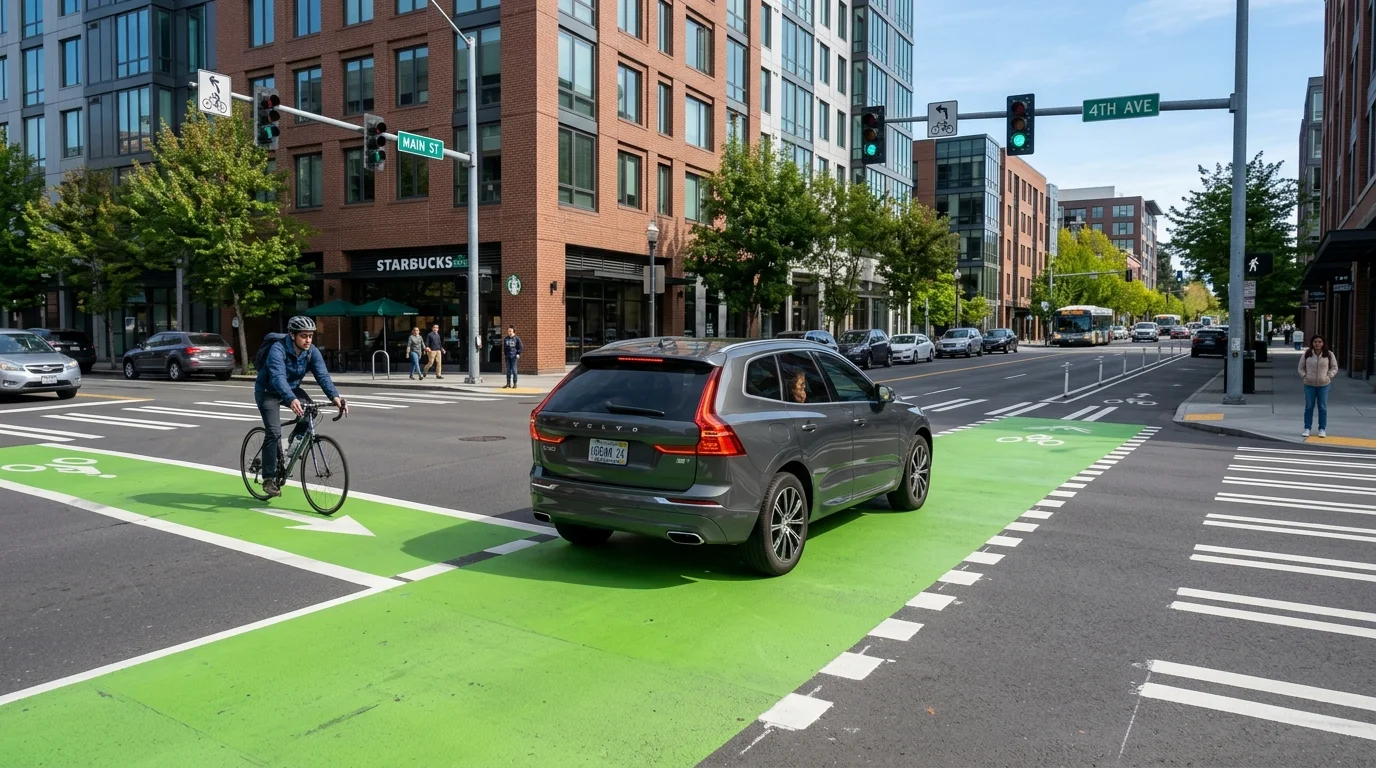
State vehicle codes require motorists to merge into dashed bike lanes prior to making right turns, preventing deadly right-hook collisions.
Quick Answer & Key Takeaways
Bicycles are recognized under all state vehicle codes as legal road vehicles with the full rights of traffic. When interacting with bicycle lanes: 1) THE 3-FOOT PASSING LAW: Motorists must maintain AT LEAST 3 FEET OF LATERAL CLEARANCE when passing a bicyclist (or change into an adjacent lane if 3 feet is impossible). 2) RIGHT TURNS ACROSS BIKE LANES (CVC § 21209): Drivers MUST NOT turn right directly across a solid bike lane. Instead, signal 100 feet ahead, check your blind spot for oncoming cyclists, MERGE INTO THE DASHED BIKE LANE 50 to 200 feet before the intersection, and execute your right turn from the curb line. 3) SHARROWS: A bicycle symbol with two chevrons indicates a shared lane where cyclists may legally occupy the full center of the travel lane.
- 3-Foot Buffer Required: 35+ states mandate at least 3 feet of space when overtaking a bicyclist.
- Merge into Dashed Lines First: Never turn right across a bike lane from the car lane; merge into the dashed bike lane first.
- Check for 'Right-Hook' Crashes: Over-the-shoulder blind spot checks prevent cutting off cyclists traveling 20 MPH in bike lanes.
- The 'Dutch Reach': Open your car door with your far hand (right hand) to automatically twist your torso and check for oncoming cyclists.
The 3-Foot Safe Passing Law: Mandatory Lateral Buffers
Under California Vehicle Code § 21760 (Three Feet for Safety Act) and statutes in 35+ states:
A driver overtaking and passing a bicycle traveling in the same direction must maintain a minimum distance of at least THREE FEET between any part of the motor vehicle and the bicycle.
If roadway width or traffic prevents a 3-foot buffer, the driver must slow to a safe speed and wait until traffic clears to pass or change into the adjacent left lane.
Making a Right Turn: The Mandatory "Merge First" Rule (CVC § 21209)
The single most commonly failed question on the DMV written test regarding bike lanes is how to properly make a right turn:
DO NOT make a right turn directly across a bike lane from the regular traffic lane!
Under California Vehicle Code § 21209 and universal urban traffic guidelines, execute this 4-step sequence:
- Signal: Activate your right turn signal at least 100 feet before the intersection.
- Perform SMOG Blind Spot Check: Check your right side mirror and look over your right shoulder for oncoming cyclists traveling straight in the bike lane.
- Merge into the Dashed Bike Lane: Where the solid white bike lane line becomes a dashed line (usually 50 to 200 feet before the corner), smoothly merge your vehicle entirely into the bicycle lane.
- Turn from the Curb: Execute your right turn from the curb line, blocking any cyclist from overtaking you on your blind right side.
The "Right-Hook" Collision: How Turning Across Bike Lanes Causes Fatal Crashes
A "Right-Hook Collision" occurs when a motorist overtakes a cyclist, immediately turns right across the bike lane, and cuts directly across the path of the cyclist.
Because bicycles frequently travel at 15 to 25 MPH, the cyclist cannot brake in time and slams into the passenger side door of the turning car. Merging into the dashed bike lane before turning prevents this collision entirely.
The "Dutch Reach": How to Prevent Fatal "Dooring" Incidents
"Dooring" occurs when a driver parked at the curb flings their driver-side door open directly into the path of an oncoming cyclist, causing traumatic head and neck injuries.
The Dutch Reach Technique:
Always open your driver-side car door with your FAR HAND (your right hand). Reaching across your body with your right hand automatically forces your torso, neck, and eyes to turn over your left shoulder, giving you a direct optical view of oncoming cyclists in your side mirror and blind spot before opening the door latch.
Bicycle Lane Markings & Driver Actions Reference Table
| Pavement Marking | Visual Appearance | Motorist Legal Rule |
|---|---|---|
| Solid White Bike Lane | Single solid white line + bike stencil | DO NOT enter or drive in this lane |
| Dashed White Bike Lane | Dashed lines 50–200 ft before corner | MUST merge into this lane before turning right |
| Sharrow (Shared Marking) | Bicycle + Two Chevrons in center | Cyclists may occupy full center lane; share the road |
| Green Painted Conflict Zone | Bright green thermoplastic coating | Yield to cyclists before crossing intersection |
Interactive Knowledge Check
Question: Under California Vehicle Code § 21209 and standard traffic rules, how should a driver prepare to make a right turn at an intersection with a designated bicycle lane?
Authoritative Sources & Regulatory References
Content and statutory guidelines in this guide are verified against official state vehicle codes, federal transportation standards, and authoritative regulatory documentation:
- California LegislatureCalifornia Vehicle Code § 21760: Three Feet for Safety Act & CVC § 21209(State of California Vehicle Code)
- FHWASeparated Bike Lane Planning and Design Guide & MUTCD Markings(Federal Highway Administration)
- League of American BicyclistsSafe Passing Laws and Motorist-Bicyclist Interaction Standards(League of American Bicyclists)
87% of people found this article helpful.
Click a star to add your vote
275 votes • average 4.39 out of 5
Official 2026 DMV Practice Tests by State
Select your state to practice real exam questions based on the latest 2026 driver handbook.
Ready to Pass the DMV Test on Your First Try?
Practice real 2026 DMV questions with instant answer explanations, simulated timers, and pass-guarantee study guides.
Start Free Practice TestRecommended Driver Guides
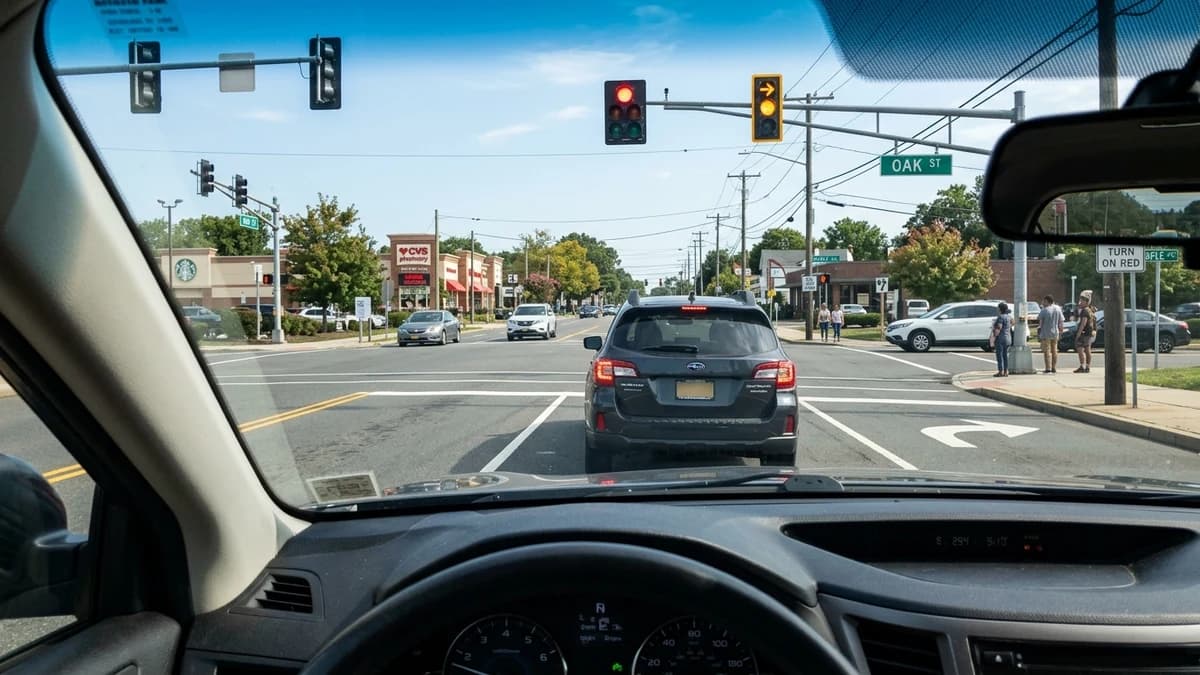
Right Turn on Red Rules: When Is It Legal and When Is It Prohibited?

The SMOG Technique: Signal, Mirrors, Over-the-Shoulder, Go