Center Left-Turn Lanes: The 'Suicide Lane' Rules & 200-Foot Limit
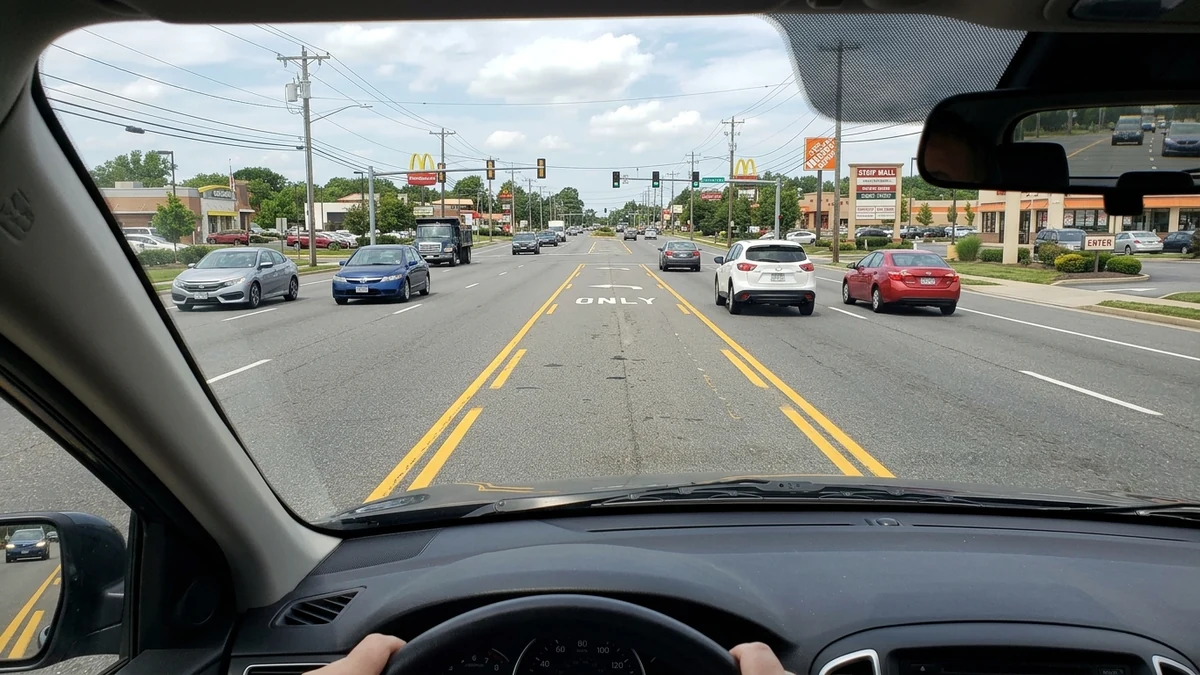
A center two-way left-turn lane is reserved exclusively for turning left or making legal U-turns; driving down it as a through lane is illegal.
Quick Answer & Key Takeaways
A Two-Way Left-Turn Lane (TWLTL)—often called the 'suicide lane'—is a shared center lane used by traffic in both directions to make left turns or legal U-turns. The core rules are: 1) You may ONLY drive inside the lane for a maximum of 200 feet before your turn. 2) Never use it as a through passing lane or to overtake slow traffic. 3) Keep your front wheels pointed straight until a safe gap in oncoming traffic appears. 4) Watch out for oncoming vehicles also entering the lane to turn left.
- The 200-foot rule: State law forbids traveling more than 200 feet inside the center lane.
- Wheels pointed straight: Never cock your wheels to the left while waiting; if rear-ended, you will be shoved into oncoming traffic.
- Two-stage left turns: When exiting a commercial parking lot onto a multi-lane road, you may turn into the center lane, stop, signal right, and merge into traffic.
- No passing allowed: Using the center lane to pass a line of slow or stopped cars is an automatic fail on DMV road tests.
What Is a Two-Way Left-Turn Lane (TWLTL)?
A Two-Way Left-Turn Lane (TWLTL)—informally nicknamed the "suicide lane" because vehicles traveling in opposing directions share the exact same strip of asphalt—is an engineered roadway feature designed to remove left-turning vehicles from high-speed through lanes.
On busy commercial boulevards with numerous shopping centers, restaurants, and residential side streets, a center turn lane prevents sudden rear-end collisions by giving turning cars a protected pocket to decelerate and wait for traffic to clear.
However, because the lane is shared by opposing traffic moving toward one another at combined speeds exceeding 80 mph, state vehicle codes enforce strict operational rules governing when and how you may enter it.
Deciphering the Pavement Markings (Solid Outside, Dashed Inside)
Under FHWA MUTCD Chapter 3B standards, a center left-turn lane is marked by a distinctive combination of painted yellow lines on both sides:
- Solid Yellow Line on the Outside: Indicates that you cannot cross from the center lane into adjacent traffic lanes to pass or overtake.
- Broken (Dashed) Yellow Line on the Inside: Authorizes vehicles from through lanes on either side of the road to cross over the dashed line to enter the center pocket for a turn.
- Painted White Curved Arrows: Opposing curved arrows are painted along the lane pavement at regular intervals to reinforce that the lane serves both directions of travel.
The Strict 200-Foot Distance Limit
The most frequently violated rule regarding center turn lanes is driving inside them for too long.
Under California Vehicle Code § 21460.5(b) and standard state traffic laws, a driver must not drive in a two-way left-turn lane for a distance exceeding 200 feet (roughly 12 to 14 car lengths).
The center lane is a deceleration and staging pocket, not a travel lane. Entering the lane a quarter-mile before your intended turn to bypass slow traffic is an illegal maneuver that incurs moving violation fines and immediate road test failure under DMV exam criteria.
How to Enter to Make a Left Turn from the Roadway
Follow this exact sequence when making a left turn across traffic into a driveway or side street:
- Signal Early: Activate your left turn signal at least 100 feet before moving into the lane using the S.M.O.G. method.
- Enter Smoothly: Move completely inside the center lane within 200 feet of your turn. Do not let your vehicle straddle the lane line.
- Keep Wheels Pointed Straight Ahead: While waiting for oncoming traffic to clear, keep your front steering wheels pointing straight forward. As highlighted in our unprotected left turns guide, if another vehicle rear-ends you while your wheels are cocked left, you will be violently pushed into oncoming 45 mph traffic.
- Execute the Turn: Once an adequate gap in oncoming traffic opens, turn left smoothly into the destination driveway or cross street.
Can You Use It as an Acceleration Lane from a Driveway?
Yes! When exiting a business driveway or parking lot onto a busy 4-lane arterial road, executing a direct left turn across all lanes is often impossible due to heavy traffic.
In most states, you may execute a two-stage left turn:
- Stage 1: Wait for traffic from your left to clear, pull across into the center left-turn lane, and bring your vehicle to a complete stop facing the direction you want to go.
- Stage 2: Activate your right turn signal, check your right side mirror and blind spot for oncoming traffic in the through lanes, and merge smoothly into active traffic when a safe gap opens.
Top 4 Illegal Uses That Trigger Head-On Collisions
Avoid these four illegal and dangerous practices:
- Using It as a Passing Lane: Accelerating down the center lane to overtake slow-moving traffic is strictly illegal.
- Speeding Up to Merge: Driving down the center lane at 45 mph while looking over your shoulder to merge is illegal; you must stop or slow to walking speed while waiting for a gap.
- Blocking Opposing Left-Turners: If an oncoming car is already stopped in the center lane preparing to turn left, you must yield and avoid pulling nose-to-nose in a standoff.
- Turning Right from the Center Lane: Center lanes are exclusively for left turns and U-turns; never initiate a right-hand turn from the center pocket.
Interactive Knowledge Check
Question: Under California Vehicle Code § 21460.5, what is the maximum legal distance you are permitted to drive inside a dedicated center two-way left-turn lane before making your turn?
Authoritative Sources & Regulatory References
Content and statutory guidelines in this guide are verified against official state vehicle codes, federal transportation standards, and authoritative regulatory documentation:
- FHWAPavement Markings for Two-Way Left-Turn Lanes (MUTCD Section 3B.03)(Federal Highway Administration)
- California LegislatureCalifornia Vehicle Code § 21460.5: Two-Way Left-Turn Lanes(State of California Vehicle Code)
- IIHSArterial Corridor Safety and Mid-Block Left Turn Collisions(Insurance Institute for Highway Safety)
86% of people found this article helpful.
Click a star to add your vote
84 votes • average 4.32 out of 5
Official 2026 DMV Practice Tests by State
Select your state to practice real exam questions based on the latest 2026 driver handbook.
Ready to Pass the DMV Test on Your First Try?
Practice real 2026 DMV questions with instant answer explanations, simulated timers, and pass-guarantee study guides.
Start Free Practice TestRecommended Driver Guides
Unprotected Left Turns vs. Flashing Yellow Arrows: Rules & Common Mistakes

S.M.O.G. Driving Technique: Signal, Mirror, Over-Shoulder, Go Explained
