The Top 10 Automatic Fails on the DMV Driving Road Test
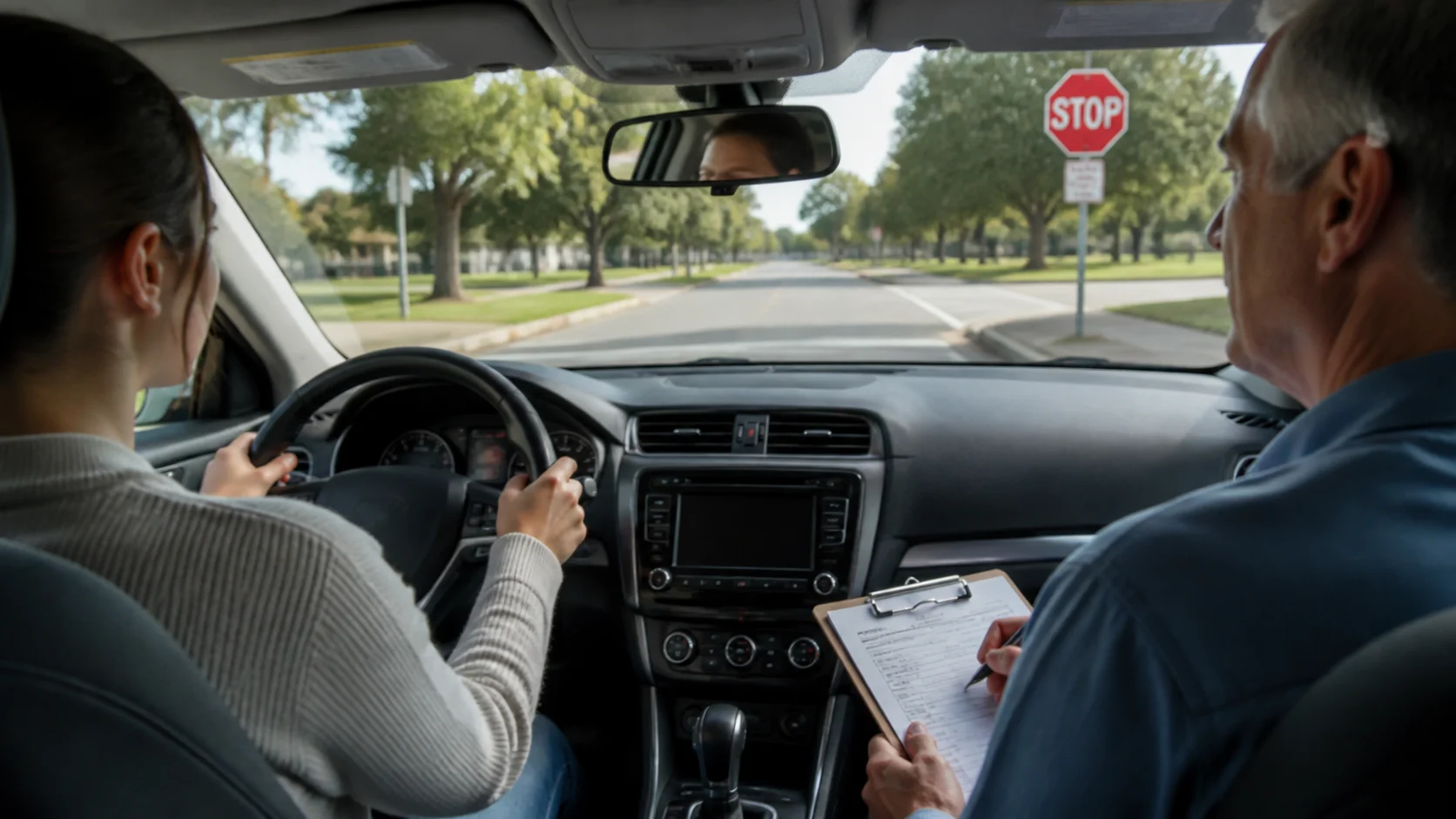
Knowing the difference between minor point deductions and Critical Driving Errors prevents unexpected test disqualifications.
Quick Answer & Key Takeaways
A Critical Driving Error (Automatic Fail) instantly terminates your DMV behind-the-wheel exam, regardless of how cleanly you drove the rest of the route. The most common automatic disqualifiers include: examiner intervention (verbal warning or grabbing the wheel/brake), mounting or striking a curb, rolling through a stop sign or red light, speeding in school zones, and changing lanes without physically checking your shoulder blind spot.
- Examiner intervention is an immediate fail: If the examiner must press their dual brake, grab the wheel, or give an emergency verbal command, the test is over.
- Rolling stops are fatal: You must achieve a complete, motionless 0 mph stop behind the white limit line.
- Blind spot checks require head movement: Moving only your eyes to the mirrors without turning your head is heavily penalized and can cause an instant fail during lane changes.
- Speed limits are absolute: Going 1 mph over the speed limit in an active school zone will trigger an automatic failure in most states.
Critical Errors vs. Minor Point Deductions Explained
On state DMV driving road tests (such as California's Driving Performance Evaluation (DPE) or New York's Road Test), your score sheet is divided into two distinct categories:
- Minor Point Deductions (Allowable up to 15 mistakes): These include minor flaws such as braking slightly too hard, parking a few inches too far from the curb, or hesitating slightly before making a turn. You can typically accumulate between 15 and 30 minor error points and still pass.
- Critical Driving Errors (Automatic Immediate Failure): A single critical error represents an immediate safety hazard, a direct violation of vehicle code, or a failure to perceive danger. Committing just one critical error instantly terminates the exam.
The Top 10 Automatic Fails Ranked
Based on official DMV examiner grading guidelines across all 50 states, here are the ten most frequent Critical Driving Errors:
Examiner Physical or Verbal Intervention
If the examiner must touch the steering wheel, press the passenger emergency brake, or shout an urgent verbal command (e.g., "Stop!" or "Don't turn!") to prevent a collision or code violation, the test is instantly failed.
Rolling a Stop Sign (The "California Roll")
Slowing down to 1 or 2 mph without achieving a complete, motionless cessation of forward movement is the single most common reason student drivers fail. The car's speedometer must read 0 mph, and the vehicle body must settle back on its suspension behind the white limit line.
Striking or Mounting a Curb
During parallel parking, three-point turns, or curbside parking, forcing any tire to climb over the curb, jump onto the sidewalk, or strike the curb with forceful impact will result in an immediate fail.
Speeding in School, Residential, or Construction Zones
Driving even 2 to 3 mph over the posted speed limit (especially in a 25 mph residential area or 15–25 mph school zone with children present) shows a failure to monitor regulatory signs and results in immediate disqualification.
Dangerous Lane Changes Without Blind Spot Checks
Failing to turn your head over your shoulder to visually verify that your blind spot is clear before initiating a lane change or pulling away from a curb is classified as an unsafe maneuver.
Failure to Yield Right-of-Way to Pedestrians or Vehicles
Pulling out in front of oncoming traffic with insufficient gap distance, forcing another vehicle to brake or swerve, or failing to follow standard right-of-way rules at intersections is an instant critical fail.
Disobeying Red Lights and Flashing Beacons
Entering an intersection on a solid yellow light when you could have safely stopped, turning right on red without coming to a complete stop first, or turning on a red arrow will fail the test immediately.
Driving in Oncoming Traffic Lanes or Straddling Marks
Cutting corners during left turns so sharply that your tires cross into the oncoming traffic lane, or drifting across solid double-yellow centerlines during neighborhood driving.
Unsafe Distance / Tailgating
Following the vehicle ahead by less than 2 seconds, or stopping so close behind a car at a red light that you cannot see their rear tires touching the asphalt.
Lack of Vehicle Equipment Compliance
If any essential safety item (brake lights, turn signals, horn, driver's seatbelt, or windshield wipers in rain) fails to operate during the pre-drive check, the examiner will cancel the test before you even leave the parking stall.
The Curb Strike Myth: Touching vs. Mounting the Curb
Many test-takers panic when their tire lightly brushes the concrete while parallel parking. Here is the official distinction examiners use:
- Light tire rub (Minor point deduction only): If your tire sidewall gently grazes or kisses the curb at low speed without the car jolting upward, it is usually scored as a minor 1-point deduction for positioning.
- Hard strike or mounting the curb (Automatic Fail): If the tire climbs up onto the sidewalk, or hits the curb with enough momentum to bounce the chassis, it is an immediate Critical Driving Error.
- Pro-Tip for parallel parking: If you feel you are too close, shift into Drive, signal, pull forward slightly to reposition, and back in smoothly. Correcting your angle is not a critical error.
Pre-Drive Vehicle Inspection Disqualifiers
Up to 10% of student drivers fail their road test before turning on the engine because their test vehicle is non-compliant. Inspect these items 24 hours prior to your exam:
- Functional brake lights: Both left and right brake lights (and the center high-mount light) must illuminate.
- Working turn signals: Front and rear signal bulbs must blink at normal speed without rapid flashing (which indicates a burned-out bulb).
- No dashboard warning lights: The check engine, ABS, or airbag warning lights must not be illuminated in certain states.
- Crack-free windshield: Large cracks in the driver's field of vision will disqualify the car.
- Valid physical registration & insurance card: Digital copies are accepted in many states, but a physical paper card in the glovebox eliminates smartphone battery or service risks.
What to Do If You Make a Mistake During the Exam
The biggest psychological trap during a driving test is making a minor mistake (like braking late or turning wide) and assuming you have already failed.
Examiners frequently observe nervous drivers commit an automatic fail after a minor mistake because the driver became flustered and stopped paying attention. Unless the examiner explicitly directs you to return to the DMV office, assume you are still passing, take a deep breath, and focus entirely on the next intersection ahead.
During the DMV behind-the-wheel test, which of the following is considered an automatic failure (Critical Driving Error)?
Frequently Asked Questions
How many minor mistakes are you allowed to make on the DMV driving test?
In most states (including California, Texas, and Florida), you are permitted up to 15 minor point deductions. However, committing even 1 Critical Driving Error results in an instant fail.
Can you use a backup camera or parking sensors during the test?
You may have backup cameras and sensors active, but you cannot rely solely on the screen. Examiners require you to physically look over your right shoulder and check all mirrors while reversing.
If you fail the road test, how long must you wait to retake it?
State waiting periods typically range from 1 to 14 days for the first retest. In California, for example, teen drivers must wait two weeks before their next attempt.
Authoritative Sources & Regulatory References
Content and statutory guidelines in this guide are verified against official state vehicle codes, federal transportation standards, and authoritative regulatory documentation:
- California DMVDriving Performance Evaluation (DPE) Scoring Criteria(State of California Department of Motor Vehicles)
- AAMVAModel Non-Commercial Driver Testing Standards(American Association of Motor Vehicle Administrators)
- NY DMVNew York Road Test Scoring Sheet & Critical Error Guidelines(New York State Department of Motor Vehicles)
84% of people found this article helpful.
Click a star to add your vote
125 votes • average 4.21 out of 5
Official 2026 DMV Practice Tests by State
Select your state to practice real exam questions based on the latest 2026 driver handbook.
Ready to Pass the DMV Test on Your First Try?
Practice real 2026 DMV questions with instant answer explanations, simulated timers, and pass-guarantee study guides.
Start Free Practice TestRecommended Driver Guides
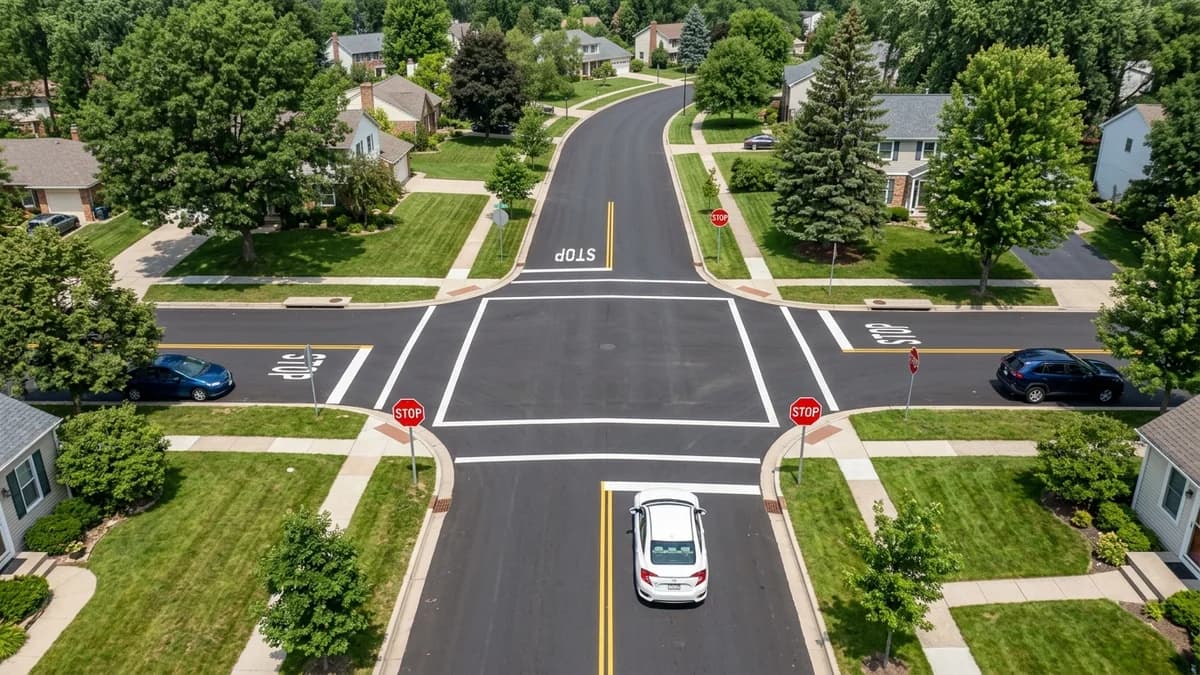
Who Has the Right-of-Way at a 4-Way Stop? The Complete Rulebook
Master the 4 golden rules of four-way stops: first-come first-served, the car-on-the-right tiebreaker, and straight vs turns.
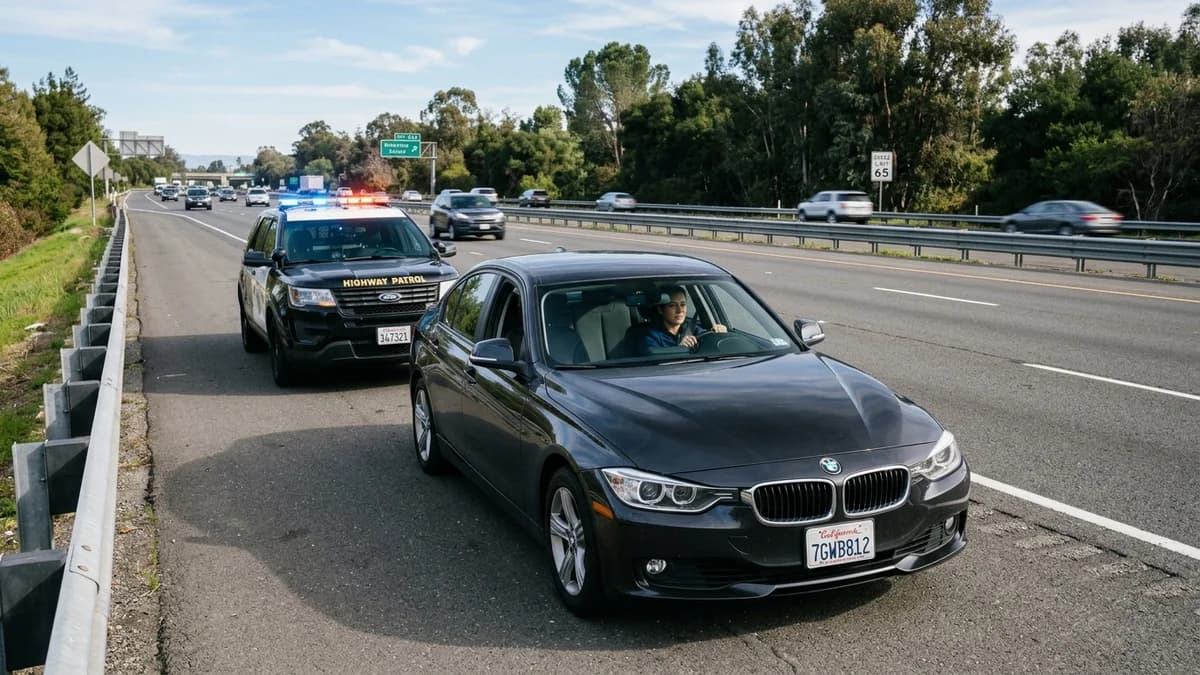
What to Do When Being Pulled Over by Police: Step-by-Step Safety & Legal Protocol
Learn the exact steps to take when pulled over: where to stop safely, cabin preparation, and your legal rights.
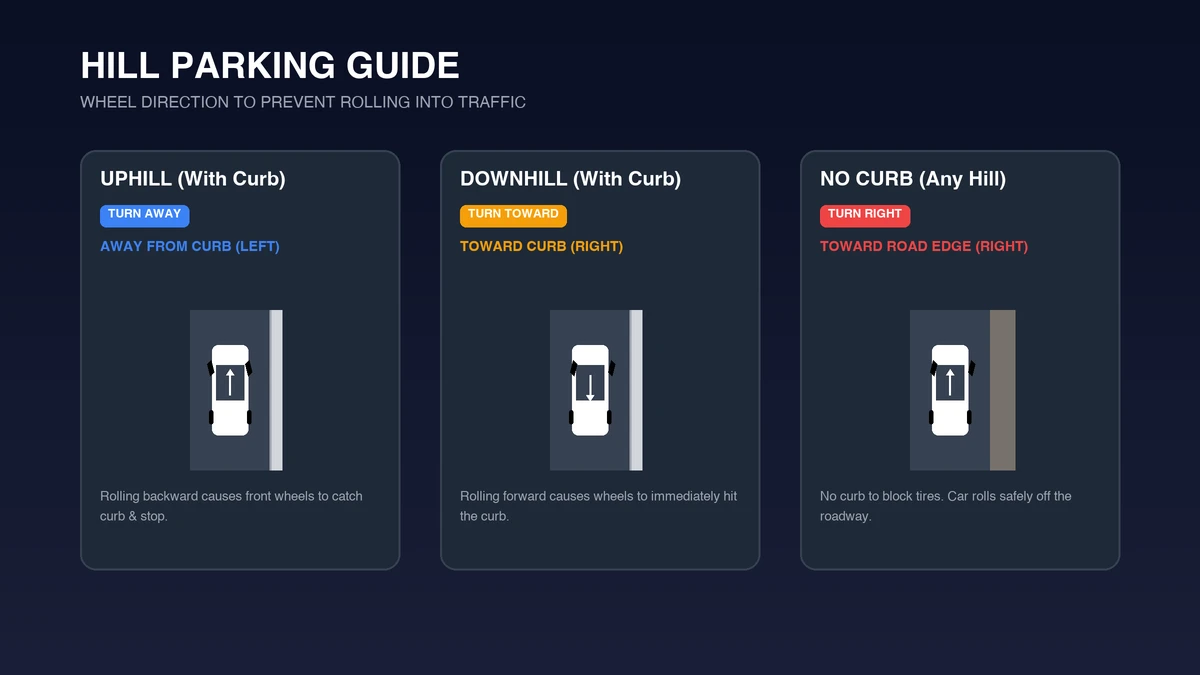
Which Way to Turn Your Wheels When Parking on a Hill (And Why)
Understand the core physics behind hill parking so you never have to memorize confusing tables again.