Unprotected Left Turns vs. Flashing Yellow Arrows: Rules & Common Mistakes
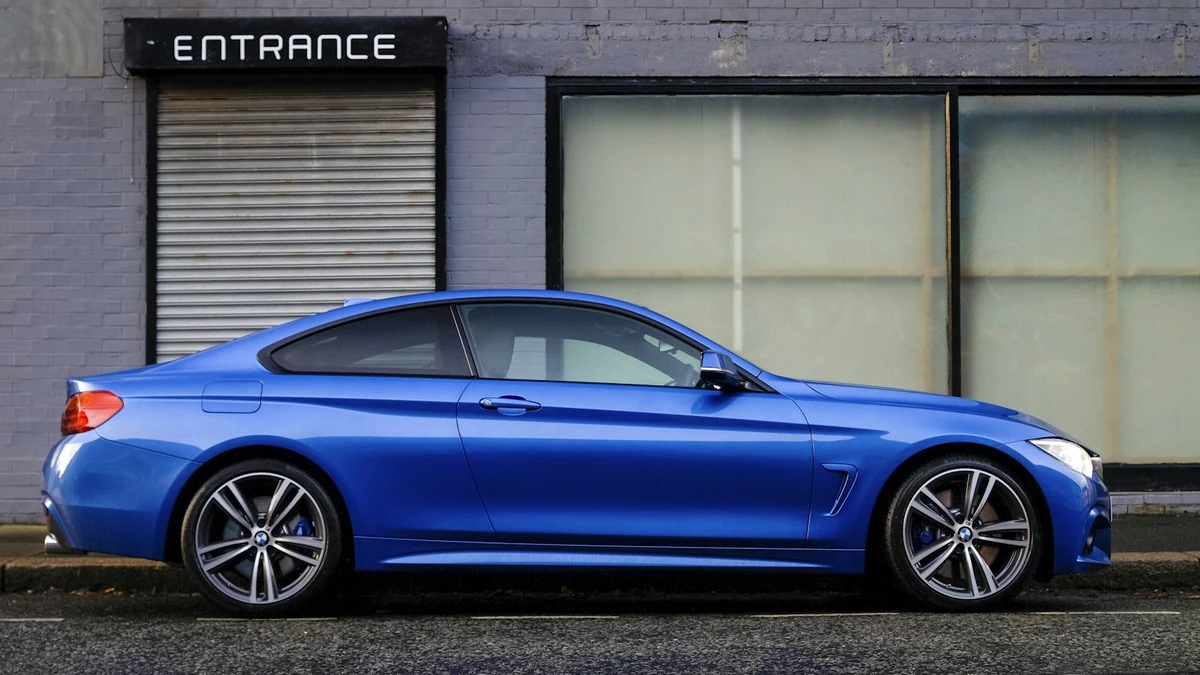
Flashing yellow arrows and solid green balls both require yielding to oncoming traffic and pedestrians before initiating a turn.
Quick Answer & Key Takeaways
A solid green arrow represents a Protected Left Turn (oncoming traffic faces a red light; you have absolute right-of-way). A solid green ball or a Flashing Yellow Arrow represents a Permissive / Unprotected Left Turn (you may turn only after yielding to oncoming through-traffic, oncoming right-turning vehicles, and pedestrians in the crosswalk). When waiting to turn, keep your front wheels pointed completely straight so a rear-end collision will not push you into incoming head-on traffic.
- Flashing Yellow Arrow = Yield to oncoming traffic: You can turn only when there is a safe, clear gap in oncoming vehicles.
- Keep wheels straight while waiting: Turning wheels left while paused in the intersection is a dangerous habit that causes head-on fatalities if struck from behind.
- One car in intersection rule: Only one vehicle should establish forward positioning in the intersection while waiting for an unprotected left turn.
- Yield to pedestrians first: Crosswalks across the destination street have legal right-of-way over turning vehicles.
Protected vs. Unprotected Left Turns: The Basics
Left turns across multi-lane traffic are among the highest-risk maneuvers on American roadways. According to federal crash data from the National Highway Traffic Safety Administration (NHTSA), over 53% of all intersection crossing collisions involve left-turning vehicles.
Traffic engineers categorize left-turn signals into two distinct modes:
Protected Left Turn (Solid Green Arrow)
Oncoming traffic and pedestrian crosswalks face a mandatory red signal. You have legal right-of-way to complete your turn without stopping or yielding, provided the intersection is clear of emergency vehicles.
Unprotected / Permissive Turn (Flashing Yellow or Green Ball)
Oncoming traffic has a green light and does not stop. You must yield to all approaching vehicles and pedestrians, turning only when a safe gap exists. Similar to uncontrolled intersection rules, turning vehicles always yield to through traffic.
The Flashing Yellow Arrow: How It Operates
Under the FHWA Manual on Uniform Traffic Control Devices (MUTCD), state transportation departments nationwide are phasing out the traditional "circular green ball with sign" in favor of dedicated 4-section Flashing Yellow Arrow (FYA) signal heads:
- Solid Red Arrow: Complete stop required. Turning left is strictly illegal until the signal changes.
- Solid Yellow Arrow: The protected or permissive turn phase is terminating. Prepare to stop unless you are already established within the intersection.
- Flashing Yellow Arrow: You are permitted to turn left, but you must yield to oncoming traffic, cyclists, and crossing pedestrians.
- Solid Green Arrow: Protected turn phase. Turn with confidence because oncoming traffic has a solid red light.
The 4-Step Left-Turn Execution Protocol
Executing an unprotected left turn without hesitation or panic requires a disciplined 4-step technique:
Signal & Approach (100 Feet Before Turn)
Activate your left turn signal at least 100 feet in advance. Check your rearview and driver-side mirrors, and smoothly position your vehicle in the designated left-turn bay.
Enter the Intersection & Keep Wheels Straight
On green or flashing yellow, advance forward approximately one-third of the way into the intersection. Crucial safety rule: Keep your front wheels pointed straight ahead. If you angle your wheels left while waiting and a distracted driver rear-ends you, your car will be launched straight into oncoming traffic.
Judge Gap & Scan Pedestrians
Look past approaching traffic to the destination street. Ensure no pedestrians are stepping into the crosswalk. Gauge oncoming vehicle speeds—do not assume approaching cars are turning just because their signal is on.
Accelerate Smoothly into the Corresponding Lane
When an adequate opening appears (minimum 4–6 second gap), turn smoothly into the leftmost travel lane of the destination roadway without cutting across opposing lane lines, then cancel your signal.
Top 4 Dangerous Mistakes Drivers Make
Turning Wheels Prematurely While Waiting
This is one of the most fatal mechanical mistakes in driving. Keep your tires straight until you actually press the accelerator to complete the turn.
Stacking Multiple Cars in the Intersection
Only the first lead car is legally permitted to establish positioning in the intersection on a green or flashing yellow signal. A second car entering the box will be trapped when the light turns red, resulting in a gridlock violation or road test failure under DMV critical error rules.
Misinterpreting the "Yellow Trap"
When your light turns yellow, never assume oncoming traffic also has a yellow light. In many signal configurations, oncoming traffic maintains an extended green light. Always yield until oncoming cars come to a visible halt.
Failing to Yield to Oncoming Right-Turners
As outlined in our right-of-way rulebook, oncoming vehicles turning right have legal priority over vehicles turning left into the same multi-lane corridor.
Interactive Knowledge Check
Question: You are stopped in the left-turn lane facing a Flashing Yellow Arrow. An oncoming vehicle is approaching at 40 mph about 150 feet away. What is the correct action?
Authoritative Sources & Regulatory References
Content and statutory guidelines in this guide are verified against official state vehicle codes, federal transportation standards, and authoritative regulatory documentation:
- FHWAMUTCD 11th Edition: Flashing Yellow Arrow Signal Indications(Federal Highway Administration)
- NCHRP / TRBSafety Evaluation of Flashing Yellow Arrows for Left Turns(National Cooperative Highway Research Program)
- NHTSAIntersection Safety and Left-Turn Collision Statistics(National Highway Traffic Safety Administration)
91% of people found this article helpful.
Click a star to add your vote
286 votes • average 4.60 out of 5
Official 2026 DMV Practice Tests by State
Select your state to practice real exam questions based on the latest 2026 driver handbook.
Ready to Pass the DMV Test on Your First Try?
Practice real 2026 DMV questions with instant answer explanations, simulated timers, and pass-guarantee study guides.
Start Free Practice TestRecommended Driver Guides
Who Has the Right-of-Way at a 4-Way Stop? The Complete Rulebook
Uncontrolled Intersections: Who Goes First When There Are No Signs or Lights?
