Hours of Service (HOS) Rules: 11-Hour Driving Limit and 14-Hour On-Duty Window
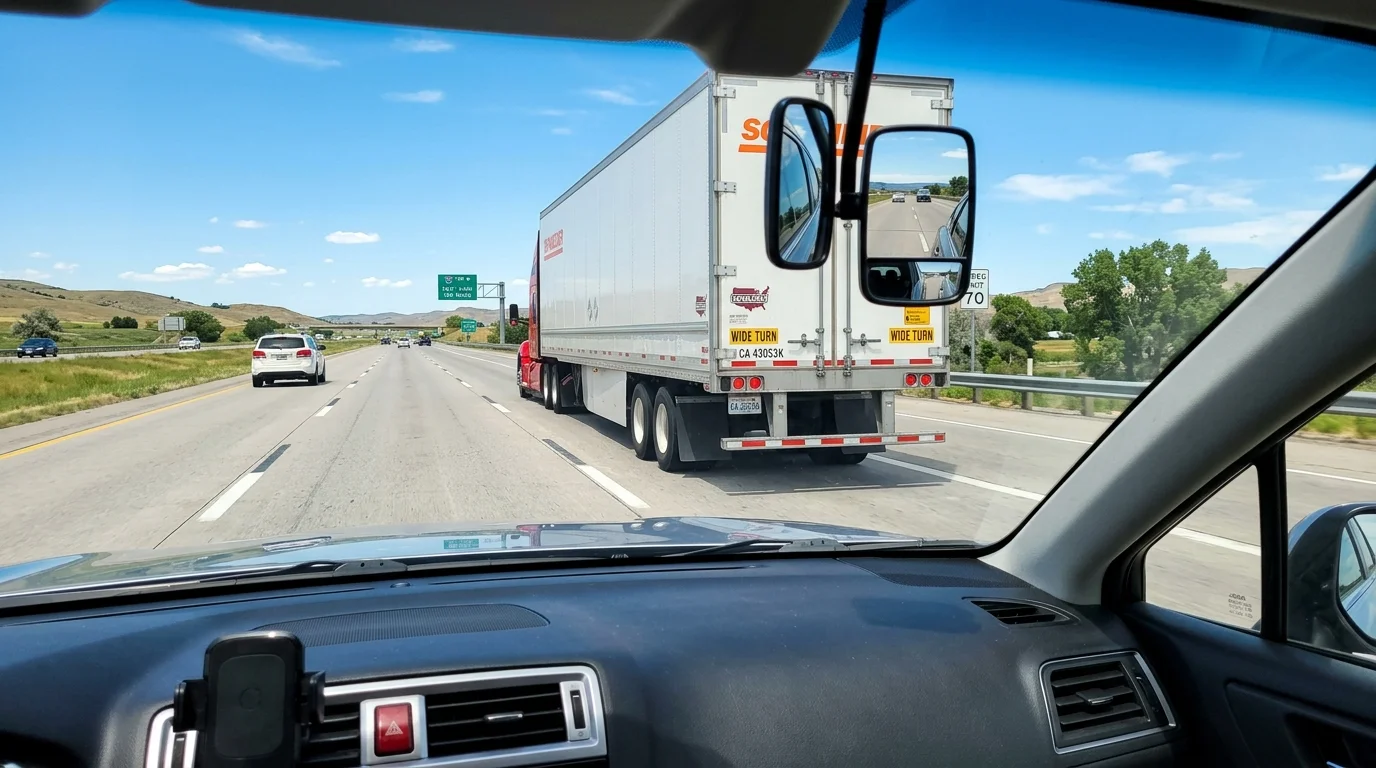
Federal HOS regulations strictly cap commercial driving hours and require digital logging via engine-connected ELDs.
Quick Answer & Key Takeaways
Under federal law (49 CFR Part 395), property-carrying commercial drivers must follow four core Hours of Service (HOS) limits: 1) 11-HOUR DRIVING LIMIT: You may drive a maximum of 11 hours after 10 consecutive hours off duty. 2) 14-HOUR DUTY WINDOW: You cannot drive beyond the 14th consecutive hour after coming on duty (this 14-hour clock never stops, even if you take lunch or sit in traffic). 3) 30-MINUTE REST BREAK: Must take a 30-minute break after 8 cumulative hours of driving. 4) 60/70-HOUR LIMIT: Cannot drive after 60 hours on duty in 7 consecutive days (or 70 hours in 8 days); reset by taking a 34-hour restart.
- The 14-Hour Window Never Pauses: Sitting at a loading dock or in traffic does NOT pause the 14-hour countdown clock.
- Mandatory 10-Hour Reset: Drivers must log 10 consecutive hours Off-Duty or in the Sleeper Berth to earn a new 11-hour driving period.
- 34-Hour Restart: A continuous 34-hour off-duty period completely resets the rolling 60/70-hour weekly on-duty balance to zero.
- Automatic Out-of-Service: Violating HOS limits results in state troopers placing the driver immediately Out of Service for 10 hours at weigh stations.
Why Hours of Service (HOS) Regulations Exist: Driver Fatigue Science
A fully loaded 80,000-pound semi-truck traveling at 65 mph requires over 525 feet to stop.
Fatigued commercial drivers have reaction times comparable to legally intoxicated motorists. To eliminate coercion by trucking companies and prevent catastrophic sleep-deprived crashes, the FMCSA enforces 49 CFR Part 395.
The 11-Hour Driving Limit (Post 10 Consecutive Hours Off-Duty)
A commercial property driver may drive a maximum of 11 hours behind the wheel following 10 consecutive hours off duty (or in the sleeper berth).
Once you reach 11 cumulative hours of driving time, you must stop driving immediately until you complete another 10-hour off-duty break.
The 14-Hour Consecutive Duty Window (The Unstoppable Clock)
The 14-Hour Rule is the most strictly tested concept on the CDL exam:
- The Unstoppable Countdown: The moment you log On-Duty (e.g. at 6:00 AM for a pre-trip inspection), a 14-hour clock begins.You CANNOT drive a commercial vehicle past the 14th consecutive hour (8:00 PM).
- No Pausing for Lunch or Traffic: Even if you spend 3 hours sitting in a diner or waiting at a shipper's loading dock, the 14-hour clock continues ticking relentlessly.
The Mandatory 30-Minute Rest Break (After 8 Cumulative Driving Hours)
Under FMCSA rules:
Drivers must take a 30-consecutive-minute break after 8 cumulative hours of driving time without at least a 30-minute interruption.
This 30-minute break can be logged as Off-Duty, Sleeper Berth, or On-Duty Not Driving (e.g. fueling the truck).
The 60/70-Hour Weekly Limit & The 34-Hour Restart Provision
Federal law places a ceiling on cumulative weekly work hours:
- 60-Hour / 7-Day Limit: For carriers not operating every day of the week.
- 70-Hour / 8-Day Limit: For carriers operating 7 days a week.
- The 34-Hour Restart: A driver can completely reset their rolling 60 or 70-hour balance back to 0 hours by taking 34 consecutive hours off duty (often done over a weekend at home or truck stop).
Electronic Logging Devices (ELD) & CVSA Out-of-Service Orders
Gone are the days of paper logbooks (which drivers jokingly called "comic books").
Federal law mandates that commercial trucks be equipped with an engine-synchronized Electronic Logging Device (ELD) that automatically records vehicle movement, GPS location, engine hours, and drive time.
During roadside inspections conducted by the Commercial Vehicle Safety Alliance (CVSA), if an officer detects an HOS driving violation, the driver is placed Out of Service for 10 hours immediately, parking the truck on the spot.
HOS Property-Carrying Driver Rules Cheat Sheet
| HOS Regulation | Legal Time Limit | Required Reset Condition |
|---|---|---|
| Max Driving Time | 11 Hours | 10 consecutive hours off duty |
| Duty Window | 14 Consecutive Hours | Clock cannot be paused; 10 hrs off-duty reset |
| Rest Break | 30 Minutes | Mandatory after 8 hours of driving |
| Weekly Limit | 60 hrs in 7 days / 70 hrs in 8 days | 34 consecutive hours off duty (Restart) |
Interactive Knowledge Check
Question: Under federal Hours of Service (HOS) rules, after coming on duty at 7:00 AM, what is the latest time a property-carrying commercial truck driver can legally drive without taking a 10-hour reset?
Authoritative Sources & Regulatory References
Content and statutory guidelines in this guide are verified against official state vehicle codes, federal transportation standards, and authoritative regulatory documentation:
- FMCSAHours of Service Regulations for Property-Carrying Drivers (49 CFR Part 395)(Federal Motor Carrier Safety Administration)
- DOTElectronic Logging Device (ELD) Rule and Technical Specifications(United States Department of Transportation)
- CVSANorth American Standard Driver Out-of-Service Criteria: Fatigue Violations(Commercial Vehicle Safety Alliance)
84% of people found this article helpful.
Click a star to add your vote
195 votes • average 4.24 out of 5
Official 2026 CDL Practice Tests by State
Select your state to practice real Commercial Driver's License (CDL) exam questions based on the latest 2026 commercial handbook.
Ready to Pass Your CDL Permit Test on the First Try?
Practice real 2026 commercial driving questions with instant air brake explanations, combination vehicle dynamics, and pass-guaranteed study guides.
Start Free CDL Practice TestRecommended Driver Guides

CDL Endorsements Guide: Hazmat (H), Tanker (N), Doubles/Triples (T), Passenger (P), School Bus (S)
CDL Class A vs. Class B vs. Class C: Gross Vehicle Weight Rating (GVWR) Decoded