CDL Class A vs. Class B vs. Class C: Gross Vehicle Weight Rating (GVWR) Decoded
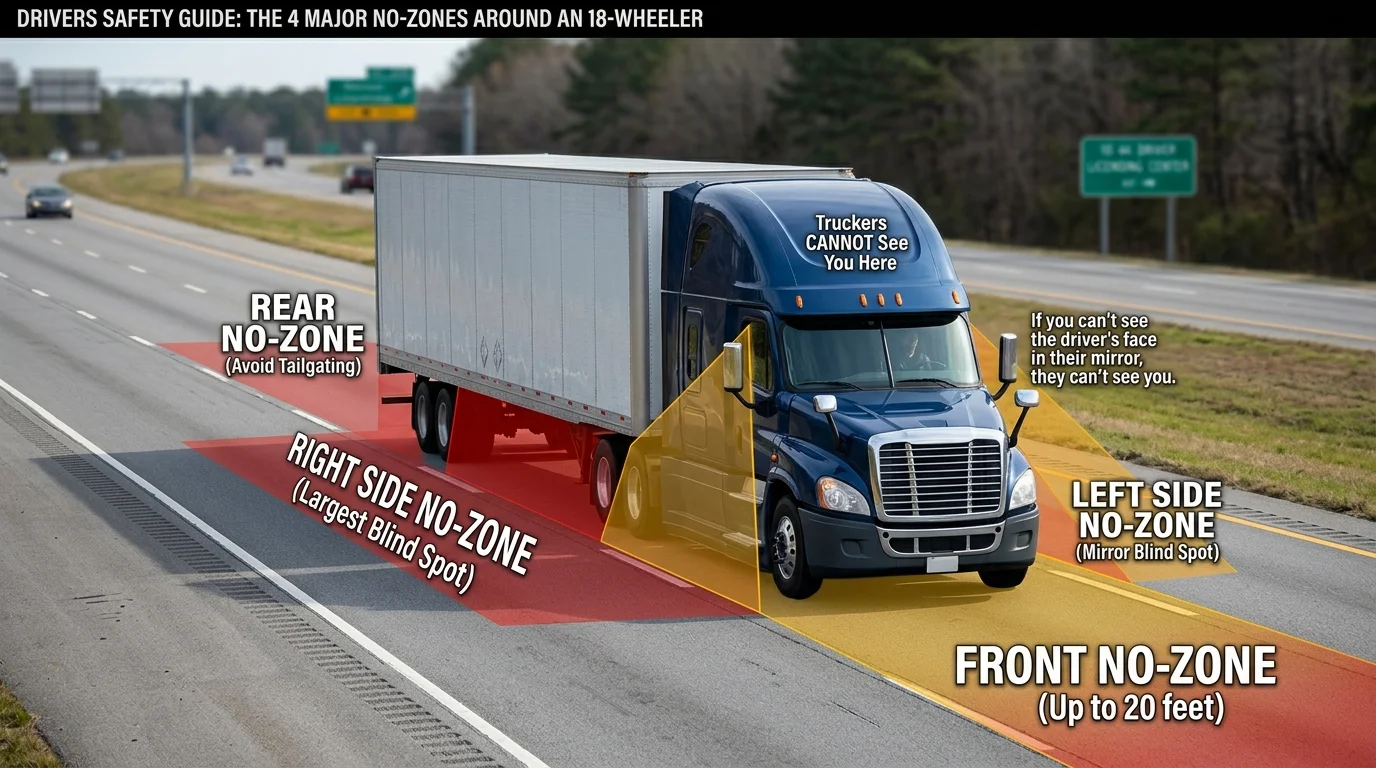
Federal regulations classify Commercial Driver's Licenses based on Gross Vehicle Weight Ratings (GVWR) and towed trailer limits.
Quick Answer & Key Takeaways
Commercial Driver's Licenses (CDL) are classified under federal law (49 CFR § 383.91) by weight and vehicle configuration: 1) CLASS A: Any combination of vehicles with a Gross Combination Weight Rating (GCWR) of 26,001+ lbs, provided the towed vehicle weighs MORE THAN 10,000 lbs (e.g., 18-wheel tractor-trailers). 2) CLASS B: Any single vehicle with a GVWR of 26,001+ lbs, or towing a trailer UNDER 10,000 lbs (e.g., dump trucks, city buses, box trucks). 3) CLASS C: Vehicles under 26,001 lbs designed to transport 16+ passengers (including driver) or placarded Hazardous Materials (Hazmat).
- The 26,001 lb Benchmark: 26,001 lbs is the universal federal dividing line between standard civilian and commercial vehicle licensing.
- Class A = The Heavy Towed Unit: If the towed trailer itself has a GVWR over 10,000 lbs and the total combination exceeds 26,000 lbs, Class A is legally mandatory.
- Hierarchy of Operation: A Class A license holder can operate Class B and Class C vehicles (with appropriate endorsements).
- Strict CDL Standards: Commercial drivers face stricter rules including a 0.04% BAC limit, mandatory pre-trip inspections, and severe disqualifications.
What Is GVWR & GCWR? The Federal Weight Thresholds Decoded
Under the Commercial Motor Vehicle Safety Act and Federal Motor Carrier Safety Regulations (49 CFR Part 383), commercial vehicle classifications are governed by two legal weight specifications:
- Gross Vehicle Weight Rating (GVWR): The maximum operating weight of a single vehicle specified by the manufacturer, including the vehicle chassis, body, engine, fluids, fuel, accessories, driver, and cargo.
- Gross Combination Weight Rating (GCWR): The total combined weight rating of a power unit (truck or tractor) plus the weight rating of all towed trailers or dollies.
CDL Class A: Combination Heavy Vehicles (The 26,001 + 10,000 Rule)
A Class A CDL is the universal gold standard of the commercial trucking industry.
Statutory Definition: Any combination of vehicles with a GCWR of 26,001 or more pounds, provided the GVWR of the vehicle(s) being towed is in excess of 10,000 pounds.
Vehicles You Can Drive with Class A:
- Tractor-trailers (18-wheelers, semi-trucks, dry vans, refrigerated reefers) subject to No-Zone safety rules
- Flatbed trailers and heavy equipment haulers
- Tanker combination trailers
- Livestock carriers
- Double and triple trailers (with endorsement)
CDL Class B: Heavy Straight Trucks & Buses (26,001+ lbs Single)
A Class B CDL authorizes the operation of heavy single-chassis commercial vehicles.
Statutory Definition: Any single vehicle with a GVWR of 26,001 or more pounds, OR any such vehicle towing a vehicle not in excess of 10,000 pounds GVWR.
Vehicles You Can Drive with Class B:
- Heavy straight dump trucks and concrete mixers
- City transit buses, motorcoaches, and intercity passenger buses
- Commercial school buses (with S & P endorsements) under school bus laws
- Large box trucks, package delivery freight trucks, and furniture movers
- Heavy garbage and municipal waste collection trucks
CDL Class C: Small Commercial Vehicles (Hazmat & 16+ Passenger)
A Class C CDL is required for smaller commercial vehicles that do not meet Class A or B weight thresholds but require special safety credentials.
Statutory Definition: Any single vehicle, or combination of vehicles, that does not meet the definition of Class A or B, but is either: (1) Designed to transport 16 or more passengers (including the driver), OR (2) Transporting hazardous materials requiring placards under federal regulations.
Vehicles You Can Drive with Class C:
- 15-passenger airport shuttles and church vans
- Small commercial Hazmat delivery vans carrying placarded cylinders
- Commercial passenger limousines
Comprehensive CDL License Class Comparison Matrix
| CDL Class | GCWR / GVWR Requirement | Towed Unit (Trailer) Limit | Typical Commercial Vehicles |
|---|---|---|---|
| Class A | 26,001+ lbs Combined | Towed trailer >10,000 lbs | Tractor-trailers, 18-wheelers, flatbeds |
| Class B | 26,001+ lbs Single | Towed trailer ≤ 10,000 lbs (or none) | Dump trucks, city buses, large box trucks |
| Class C | < 26,001 lbs | N/A | Placarded Hazmat vans, 16+ passenger shuttles |
Key CDL Endorsements: Hazmat (H), Tanker (N), Doubles (T) & Air Brakes
Commercial drivers expand their earning potential through specialized endorsements:
- H (Hazardous Materials): Requires TSA security background check and fingerprinting.
- N (Tank Vehicles): Required to haul bulk liquids or gases in tanks >1,000 gallons.
- T (Doubles/Triples): Permits towing multiple trailers behind a single tractor.
- P (Passenger) & S (School Bus): Mandated for transporting civilian passengers and schoolchildren.
- Air Brake Restriction (L): If you do not pass the air brake knowledge test and practical inspection, an "L" restriction will be placed on your CDL prohibiting you from driving air brake vehicles.
Interactive Knowledge Check
Question: A driver operates a truck with a GCWR of 28,000 pounds, towing a heavy construction trailer with a GVWR of 12,000 pounds. Which class of CDL is legally required?
Authoritative Sources & Regulatory References
Content and statutory guidelines in this guide are verified against official state vehicle codes, federal transportation standards, and authoritative regulatory documentation:
- FMCSAFederal Motor Carrier Safety Regulations: Commercial Driver’s License Standards (49 CFR Part 383)(Federal Motor Carrier Safety Administration)
- California DMVCommercial Driver Handbook and License Classifications(State of California Department of Motor Vehicles)
- FHWAGross Vehicle Weight Ratings and Commercial Vehicle Classifications(Federal Highway Administration)
91% of people found this article helpful.
Click a star to add your vote
53 votes • average 4.62 out of 5
Official 2026 CDL Practice Tests by State
Select your state to practice real Commercial Driver's License (CDL) exam questions based on the latest 2026 commercial handbook.
Ready to Pass Your CDL Permit Test on the First Try?
Practice real 2026 commercial driving questions with instant air brake explanations, combination vehicle dynamics, and pass-guaranteed study guides.
Start Free CDL Practice TestRecommended Driver Guides

The "No-Zone": Semi-Truck Blind Spots and How to Share the Road Safely
Railroad Crossing Safety: Warning Signs, Flashing Lights, and Crossbuck Rules