Learner’s Permit vs. Provisional vs. Full Driver’s License: What’s the Difference?
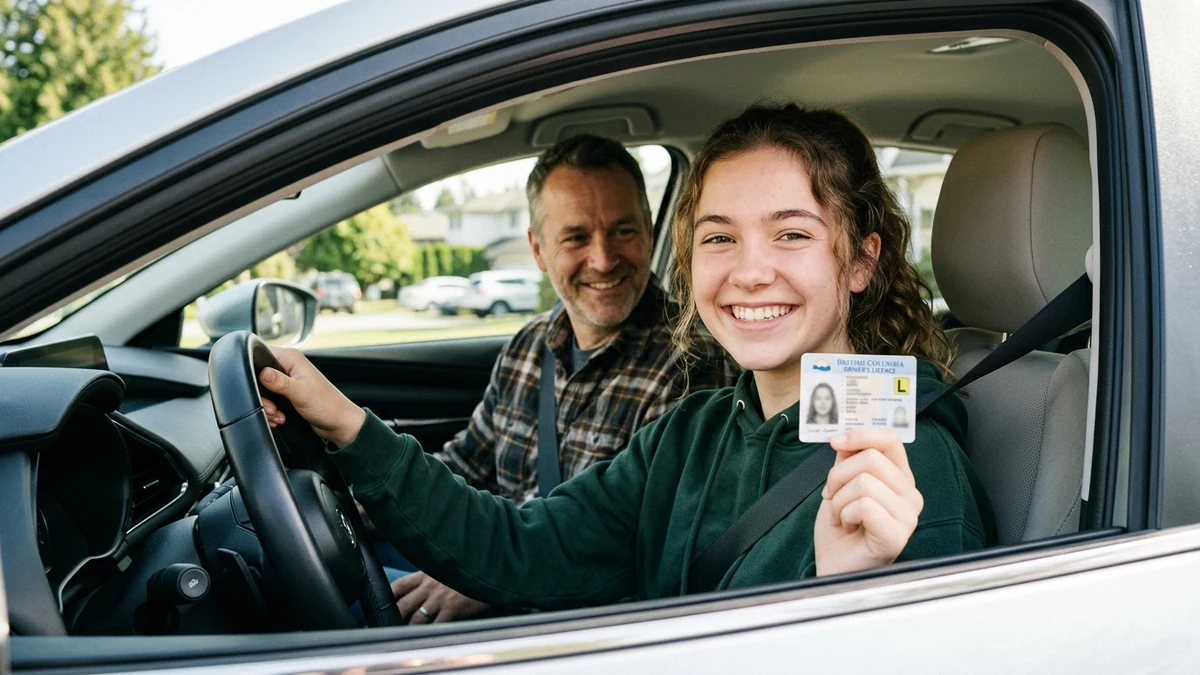
Graduated licensing bridges the gap between initial supervised practice and full unrestricted driving independence.
Quick Answer & Key Takeaways
The 3 stages of licensing represent increasing levels of legal independence: 1) Learner's Permit (Age 15–16): You may ONLY drive when accompanied by a licensed adult aged 21 or 25+ sitting in the front passenger seat. 2) Provisional / Junior License (Age 16–17): You may drive independently without an adult, but subject to nighttime curfews (typically 11 PM–5 AM) and passenger restrictions (no minors under 20 without an adult). 3) Full License (Age 18+): Zero passenger restrictions, zero curfews, full adult legal driving rights.
- Supervision requirement: Learner's permits strictly prohibit driving alone under any circumstances.
- The 6-Month / 50-Hour rule: Most states require holding a permit for at least 6 months and logging 50 supervised hours (10 at night) before testing for a provisional license.
- Zero cell phone tolerance: Drivers under 18 cannot use mobile phones while driving, even in hands-free or Bluetooth mode.
- Automatic conversion: In most states, provisional restrictions automatically expire on your 18th birthday.
The Evolution of the 3-Tier Licensing System
Decades ago, earning a driver's license was an all-or-nothing milestone: turn 16, pass a brief 10-minute road test, and immediately receive unrestricted driving privileges. However, fatal crash rates among newly licensed 16- and 17-year-olds were catastrophic.
To combat teen crash statistics, states introduced Graduated Driver Licensing (GDL) systems in the late 1990s. According to comprehensive data from the Centers for Disease Control and Prevention (CDC), GDL programs have successfully reduced fatal crashes among 16-year-old drivers by over 50%.
Understanding the exact boundaries between a Learner's Permit, a Provisional (or Junior) License, and a Full Unrestricted License is critical to keeping your driving privileges in good standing and avoiding license suspensions.
Stage 1: The Learner’s Permit (Instruction Permit)
The learner's permit is the entry-level credential earned after passing the DMV vision exam and computerized knowledge test. Before heading to the branch, make sure you review our comprehensive checklist of what documents to bring to the DMV or use our interactive license document tool.
- Age Range: Typically age 15 to 16 (depending on state law).
- Supervision Rule: You are strictly forbidden from driving alone. You must be accompanied at all times by a licensed parent, guardian, driving instructor, or licensed adult aged 21 or 25+ sitting in the front passenger seat.
- Mandatory Practice Hours: You must log at least 50 practice hours, including 10 hours at night, certified by a parent or legal guardian.
- Holding Period: You must hold the permit for a mandatory waiting period of 6 months (9 months in states like Maryland) before becoming eligible to schedule your behind-the-wheel road test.
Stage 2: The Provisional (Intermediate) License
After holding your permit for the required time, completing your certified practice log, and passing the DMV behind-the-wheel driving examination, you receive your Provisional (or Intermediate/Junior) Driver's License.
- Age Range: Ages 16 to 17.
- Solo Driving Rights: You can legally drive to school, work, sports practice, and social activities by yourself without an adult in the vehicle.
- Nighttime Driving Curfews: Under state law, you cannot drive during high-risk overnight hours (typically 11:00 PM to 5:00 AM in California, 9:00 PM in New York, or 10:00 PM in Illinois) unless accompanied by a licensed adult aged 25+.
- Passenger Restrictions: For the first 12 months (or until age 18), you cannot transport passengers under age 20 unless accompanied by a licensed adult aged 25+.
- Zero Mobile Device Usage: Drivers under age 18 are prohibited from using cellular devices while operating a motor vehicle—even in hands-free speakerphone or Bluetooth mode.
Stage 3: The Full Unrestricted Driver’s License
The full driver's license represents complete, adult driving privileges with zero state-mandated operational restrictions.
- Age Requirement: Automatically granted on your 18th birthday (provided your provisional license has no active suspensions or points).
- No Curfews: You may operate a motor vehicle 24 hours a day, 7 days a week, with no curfew limits.
- No Passenger Restrictions: You may transport passengers of any age up to your vehicle's seatbelt capacity.
- Federal REAL ID Compliance: As detailed in our guide on REAL ID vs. standard driver’s licenses, full adult licenses bearing a gold star satisfy federal TSA airport security boarding requirements.
Side-by-Side Comparison Matrix
| Licensing Stage | Solo Driving? | Passenger Limits | Nighttime Curfew | Supervision Required |
|---|---|---|---|---|
| 1. Learner’s Permit | No (Strictly Prohibited) | Adult supervisor + family | Varies by state | Licensed adult 21/25+ in front seat |
| 2. Provisional License | Yes (Daytime Solo) | No passengers under 20 (for 12 mos) | 11:00 PM – 5:00 AM | None for daytime solo driving |
| 3. Full Adult License | Yes (Unrestricted) | None (Seatbelt capacity) | None (24/7 Access) | None |
Curfews, Passenger Limits, and Legal Exceptions
State laws recognize that young drivers occasionally have essential obligations during curfew hours or need to transport younger family members. Provisional drivers can legally drive during restricted hours or with minor passengers under these statutory exceptions:
- Employment Necessity: Driving to or from work when public transportation is unavailable. You must carry a signed note on company letterhead from your employer stating your work hours and necessity.
- School-Authorized Activities: Traveling to or from high school athletic events, rehearsals, or competitions. A signed note from your school principal or dean is required.
- Family Medical Emergency: Driving to obtain immediate medical attention for yourself or an immediate family member. Carry a signed note from a physician or parent.
- Family Member Transport: Transporting a younger sibling to school when parents are unable to drive. A signed note from a parent detailing the necessity must be kept in the vehicle.
What Happens If You Get a Ticket with a Provisional License?
Traffic courts and motor vehicle departments treat moving violations on provisional licenses with extreme severity:
- First At-Fault Collision or Moving Violation: The DMV issues an official warning letter to your parents and adds points to your driving record.
- Second Violation or Collision Within 12 Months: 30-day driver's license suspension, unless accompanied by a parent or licensed adult 25+.
- Third Violation Within 12 Months: 6-month license suspension and 1-year probation.
- Insurance Ramifications: As discussed in our auto insurance 101 guide, moving violations on a provisional license can cause annual insurance premiums to double or trigger policy cancellation.
Interactive Knowledge Check
Question: A 16-year-old driver has held their provisional driver’s license for 3 months. Can they drive their 15-year-old friend home from school at 3:00 PM without an adult present?
Authoritative Sources & Regulatory References
Content and statutory guidelines in this guide are verified against official state vehicle codes, federal transportation standards, and authoritative regulatory documentation:
- NHTSAGraduated Driver Licensing Systems: Best Practice Framework(National Highway Traffic Safety Administration)
- CDCTeen Drivers: Get the Facts on State GDL Safety Impacts(Centers for Disease Control and Prevention)
- IIHSState-by-State Teen Driver Licensing Laws and Restriction Tables(Insurance Institute for Highway Safety)
88% of people found this article helpful.
Click a star to add your vote
216 votes • average 4.47 out of 5
Official 2026 DMV Practice Tests by State
Select your state to practice real exam questions based on the latest 2026 driver handbook.
Ready to Pass the DMV Test on Your First Try?
Practice real 2026 DMV questions with instant answer explanations, simulated timers, and pass-guarantee study guides.
Start Free Practice TestRecommended Driver Guides

The 3 Stages of Graduated Driver Licensing (GDL) Explained

What Documents Do You Need to Bring to the DMV for Your First Permit? The Ultimate Checklist
