The 3 Stages of Graduated Driver Licensing (GDL) Explained
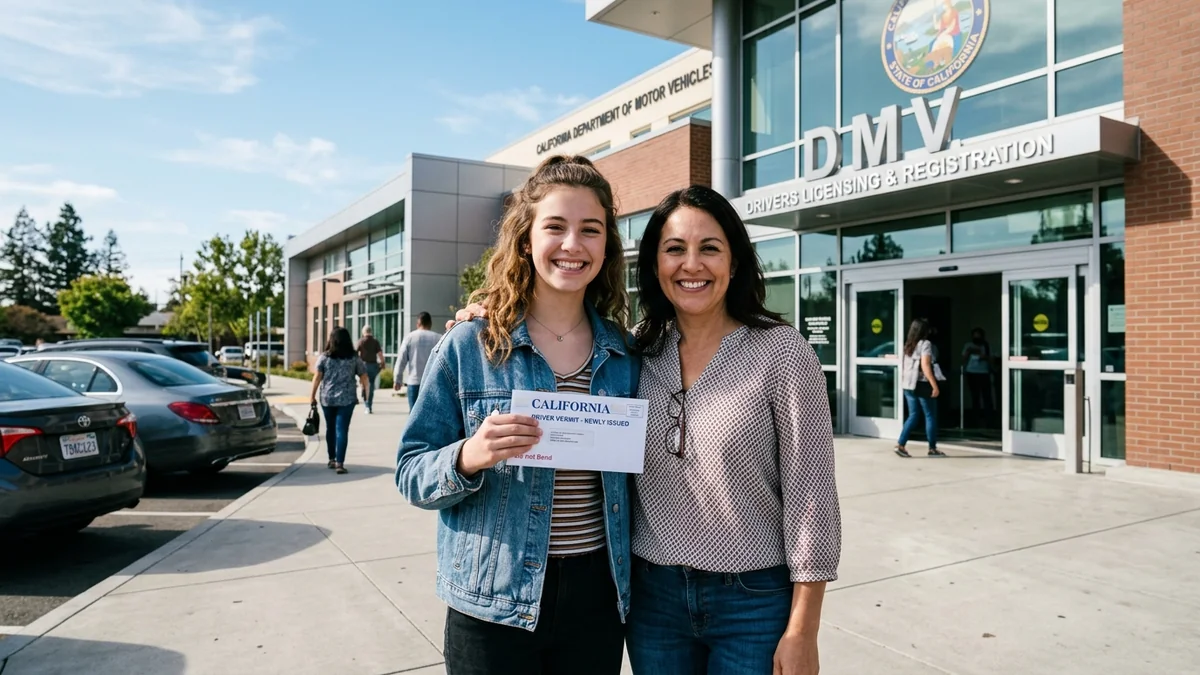
The Graduated Driver Licensing (GDL) program provides a structured, multi-step pathway from supervised learner to fully independent, unrestricted driver.
Quick Answer & Key Takeaways
Graduated Driver Licensing (GDL) is a 3-stage statutory licensing system adopted across all 50 states to reduce teen accident rates by introducing driving privileges incrementally: Stage 1 is the Learner's Permit (minimum age 15–16, requires 50 hours of supervised driving with an adult 21+ or 25+), Stage 2 is the Intermediate / Provisional License (solo driving with nighttime curfews and peer passenger restrictions), and Stage 3 is the Full Unrestricted License (issued at age 17–18 with zero time or passenger limits).
- Stage 1 (Permit): You can only drive when supervised by a licensed adult in the front passenger seat.
- Stage 2 (Provisional): You can drive alone, but cannot drive between late-night curfew hours (typically 11 PM to 5 AM) or transport passengers under 20 without an adult.
- Stage 3 (Full License): Full unrestricted driving privileges with all curfews and passenger bans removed.
- Zero Tolerance BAC: Underage drivers face immediate license suspension for any detectable alcohol in their system (0.01% - 0.02% limit).
Why GDL Exists: The Safety Science
Before the 1990s, newly licensed 16-year-old drivers in the United States were handed full, unrestricted driving privileges the moment they passed a single road exam. However, fatal crash statistics from the National Highway Traffic Safety Administration (NHTSA) revealed that 16-year-old drivers had crash rates three times higher than 19-year-olds and four times higher than adult drivers.
To solve this public health crisis, safety researchers developed Graduated Driver Licensing (GDL)—a phased approach that protects novice drivers by restricting high-risk scenarios (such as midnight driving and carloads of teenage peers) while building real-world driving mileage. Since nationwide adoption, GDL programs have reduced fatal teen crashes by over 50%.
Stage 1: The Learner’s Permit (Supervised Practice)
The first milestone in the GDL pipeline is the Instruction Permit (Learner's Permit), earned by passing the official DMV written knowledge exam and vision screening.
Stage 1 Rules & Requirements:
- Eligibility age: Available between ages 15 and 16 (depending on state law, e.g. 15½ in California, 15 in Texas/Florida).
- Mandatory adult supervisor: You cannot drive alone under any circumstances. You must be accompanied by a licensed driver aged 21 or 25+ sitting in the front passenger seat.
- Minimum holding period: Most states require you to hold your permit for at least 6 to 12 consecutive months without traffic violations before scheduling a road test (make sure to study how to avoid automatic fails on the road test).
- 50-Hour Driving Log: You must complete and log at least 50 hours of supervised behind-the-wheel driving practice, with at least 10 hours completed at night.
- Zero cell phone use: Handheld and hands-free electronic devices (including Bluetooth headsets and CarPlay texting) are strictly prohibited for permit holders in nearly all jurisdictions.
Stage 2: The Intermediate / Provisional License (Solo with Limits)
Once you complete your minimum holding period, finish your 50 practice hours, and pass the behind-the-wheel driving exam, you earn your Intermediate (Provisional) Driver's License. (At this point, your parents should review auto insurance 101 and teen discounts to update policy coverage).
At this stage, you are legally permitted to drive alone without an adult supervisor, but critical safety restrictions remain active for the first 6 to 12 months:
- Nighttime Curfew (11:00 PM – 5:00 AM): You cannot drive during late-night hours when fatal visibility and fatigue crashes peak. Exceptions are granted only for employment, school-sanctioned activities, or medical emergencies with a signed note.
- Passenger Restrictions (The "No Teen Friends" Rule): For the first 12 months, you cannot transport passengers under age 20 unless accompanied by a licensed parent, guardian, or adult aged 25+.
- Zero Tolerance BAC Laws: Under state Implied Consent laws, any measurable alcohol (0.01% in California, 0.02% in most states) results in an immediate 1-year license suspension.
Stage 3: The Full Unrestricted Driver’s License
The final step is graduating to a Full, Unrestricted Class C Driver's License. When upgrading your plastic card, consider applying directly for a REAL ID compliant driver's license so you can use it for domestic commercial flights.
In most states, this transition occurs automatically on your 18th birthday (or at age 17 in states like New York upon completing approved driver education courses), provided your driving record is clean of moving violations, suspensions, or at-fault collisions.
Privileges Unlocked in Stage 3:
- All nighttime driving curfews are permanently lifted.
- All passenger age and occupancy limits are removed.
- Eligibility for adult driver license renewal cycles and interstate commercial or rideshare endorsements.
Key State-by-State Differences (Ages & Curfews)
While every US state enforces a 3-stage GDL framework, minimum ages and curfew hours vary slightly across state borders:
- California: Permit at 15½; Provisional at 16; Curfew 11 PM – 5 AM; 12-month passenger restriction.
- Texas: Permit at 15; Provisional at 16; Curfew midnight – 5 AM; 1 non-family passenger limit for 12 months.
- Florida: Permit at 15; Intermediate at 16 (curfew 11 PM – 6 AM), at 17 (curfew 1 AM – 5 AM).
- New York: Junior Permit at 16; Junior License at 16½; strict regional restrictions in NYC and Long Island.
What Happens If You Violate GDL Restrictions?
Driving past curfew or carrying unauthorized teenage passengers is a primary or secondary traffic violation that carries severe consequences:
- Extension of provisional period: A moving violation often extends your provisional restrictions for an additional 6 to 12 months.
- Community service and fines: Fines typically range from $150 to $500 plus mandatory community service hours.
- License suspension: Accumulating two or more points on a provisional license triggers an automatic 30-to-90-day license suspension.
Under standard Graduated Driver Licensing (GDL) laws, what is a provisional driver prohibited from doing during their first year of solo driving?
Frequently Asked Questions
Do drivers over age 18 have to complete the GDL program?
No. In most states, GDL restrictions apply only to minors under age 18. Adults 18 and older who apply for their first license must still pass the knowledge and vision tests, but they bypass provisional curfews and holding periods.
Can a teen driver drive past curfew if returning from a job?
Yes. All 50 states provide statutory employment exceptions. If stopped by police past curfew, the driver must provide a signed letter from their employer on company letterhead detailing their work schedule.
Can you use a hands-free Bluetooth headset with a learner's permit?
No. GDL laws in almost all states enforce a total ban on both handheld and hands-free electronic devices for novice teen drivers.
Authoritative Sources & Regulatory References
Content and statutory guidelines in this guide are verified against official state vehicle codes, federal transportation standards, and authoritative regulatory documentation:
- NHTSAGraduated Driver Licensing Systems and Teen Driving Safety(National Highway Traffic Safety Administration)
- CDCTeen Drivers: Get the Facts & GDL Framework(Centers for Disease Control and Prevention)
- IIHSGraduated Licensing Laws by State(Insurance Institute for Highway Safety)
83% of people found this article helpful.
Click a star to add your vote
47 votes • average 4.24 out of 5
Official 2026 DMV Practice Tests by State
Select your state to practice real exam questions based on the latest 2026 driver handbook.
Ready to Pass the DMV Test on Your First Try?
Practice real 2026 DMV questions with instant answer explanations, simulated timers, and pass-guarantee study guides.
Start Free Practice TestRecommended Driver Guides

The Top 10 Automatic Fails on the DMV Driving Road Test
Avoid critical driving errors that cause immediate test disqualification on behind-the-wheel exams.
Who Has the Right-of-Way at a 4-Way Stop? The Complete Rulebook
Master the 4 golden rules of four-way stops: first-come first-served, the car-on-the-right tiebreaker, and straight vs turns.
What to Do When Being Pulled Over by Police: Step-by-Step Safety & Legal Protocol
Learn the exact steps to take when pulled over: where to stop safely, cabin preparation, and your legal rights.