Auto Insurance 101 for Beginners: Liability, Collision, and Comprehensive Explained
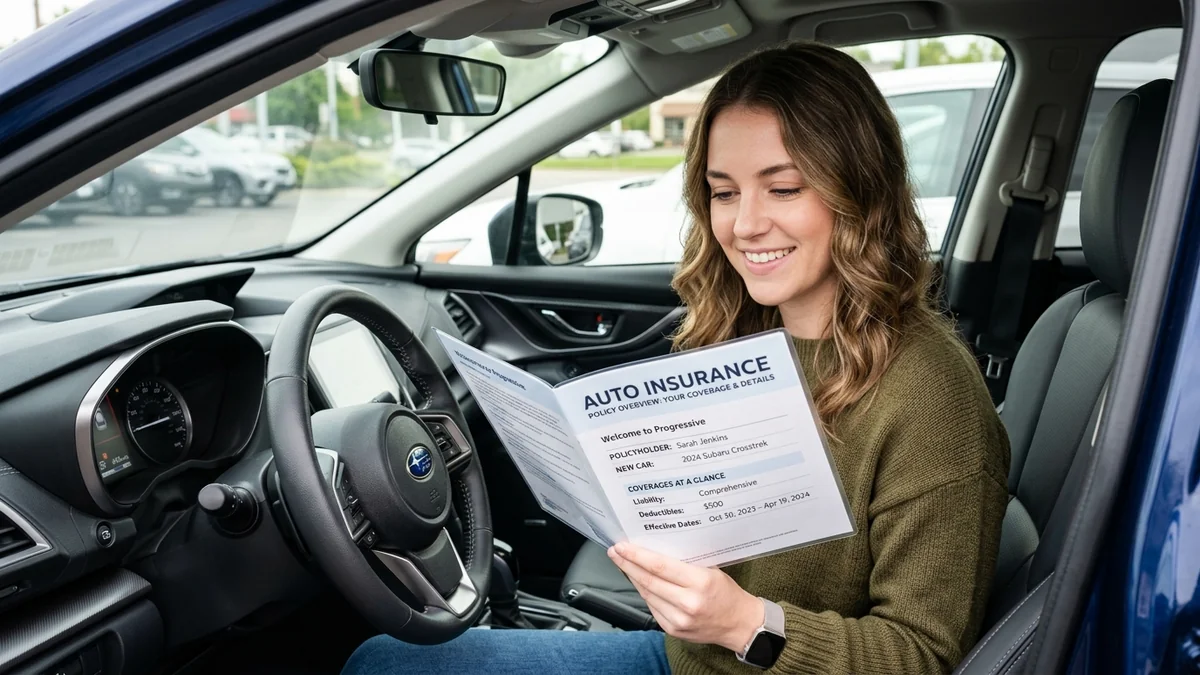
Demystifying liability limits, collision deductibles, and comprehensive perils allows you to select the right financial protection without overpaying.
Quick Answer & Key Takeaways
Auto insurance consists of three foundational coverages: 1) Liability Insurance (required by law, pays for injuries and property damage you cause to others), 2) Collision Insurance (repairs damage to your car if you hit another vehicle, post, or guardrail), and 3) Comprehensive Insurance (repairs damage caused by non-collision perils like theft, fire, hail, fallen branches, or hitting a deer). Your deductible is the amount you pay out-of-pocket per claim before your insurance policy covers the rest.
- Liability covers the other party: Liability never pays for damage to your own vehicle.
- Full Coverage = Liability + Collision + Comprehensive: Financial lenders require both collision and comprehensive on financed or leased vehicles.
- Deductibles vs Premiums: Choosing a higher deductible ($1,000 vs $500) lowers your monthly bill but increases your out-of-pocket costs during a claim.
- Uninsured Motorist Protection: Protects you if an at-fault driver has no insurance or flees the scene in a hit-and-run.
The 3 Core Pillars of Auto Insurance
Shopping for car insurance for the first time can feel overwhelming with insurance jargon, split limits, and endless policy add-ons according to the National Association of Insurance Commissioners (NAIC). However, every standard auto insurance policy in the United States is built around three foundational pillars:
- Pillar 1: Liability Coverage (Mandatory by Law): Protects your personal bank account by paying for the other driver's medical bills and vehicle repairs when you cause an accident.
- Pillar 2: Collision Coverage (Optional on owned cars, mandatory on loans): Pays to repair or replace your vehicle if you collide with another car, tree, pole, or overturn in a ditch.
- Pillar 3: Comprehensive Coverage (Acts of Nature & Theft): Covers damage to your vehicle resulting from events beyond your driving control—such as auto theft, broken windows, hail dents, falling trees, or hitting an animal.
Liability Coverage: The Mandatory Legal Shield
In 49 out of 50 states, driving without active liability insurance is illegal and punishable by steep fines, vehicle impoundment, and license suspension. (If you are ever involved in a collision, remember to follow our 8-step car accident emergency protocol).
When selecting liability coverage, policies express limits as three numbers (e.g., 25/50/25 or 100/300/100):
- First Number ($25,000): Bodily Injury Limit per Person—The maximum your insurer will pay for injuries to a single individual in an accident you caused.
- Second Number ($50,000): Bodily Injury Limit per Accident—The total maximum your insurer will pay for all injured people combined in that accident.
- Third Number ($25,000): Property Damage Liability—The maximum your insurer will pay to repair or replace other vehicles, traffic poles, fences, or buildings you damaged.
Why State Minimums Are Often Dangerously Low:
The average new car today costs over $45,000. If you carry a state-minimum property damage limit of $10,000 or $25,000 and total a luxury electric vehicle, you are personally responsible for paying the remaining balance out of your personal savings. Most insurance advisors recommend carrying at least 100/300/100 limits.
Collision vs. Comprehensive: Protecting Your Own Vehicle
While liability protects other motorists from you, collision and comprehensive protect you from financial catastrophe:
Collision Coverage Covers:
- Crashing into another vehicle at an intersection
- Backing into a parking garage concrete pillar or mailbox
- Single-vehicle rollover crashes on icy highways
- Hitting a deep pothole that bends your axle or suspension
Comprehensive Coverage Covers:
- Vehicle theft or catalytic converter theft
- Vandalism, key scratches, or broken window glass
- Hail damage, floods, wildfires, or falling tree limbs
- Collisions with deer, elk, or other wildlife
Essential Add-ons: Uninsured Motorist & GAP Insurance
Two critical endorsements provide outsized protection for young and first-time vehicle owners:
- Uninsured / Underinsured Motorist (UM/UIM): Approximately 14% of drivers nationwide (and over 25% in states like Mississippi and Michigan) drive with zero auto insurance. UM/UIM steps in to pay your medical bills and car repairs if an uninsured driver hits you or flees the scene.
- Guaranteed Auto Protection (GAP Insurance): A new vehicle depreciates by roughly 20% in its first year. If your car is totaled, standard insurance only reimburses the current market value of the car. GAP insurance covers the "gap" between that market payout and what you still owe on your auto loan.
If a heavy thunderstorm causes a large tree branch to fall on your parked vehicle, which auto insurance coverage pays for the damage?
Frequently Asked Questions
What is "Full Coverage" auto insurance?
"Full coverage" is an industry term that refers to combining state-mandated Liability coverage with both Collision and Comprehensive coverage. It does not mean "everything is covered" (it typically excludes routine maintenance and wear-and-tear).
Does auto insurance follow the car or the driver?
In most states, auto insurance follows the vehicle first. If you lend your car to a friend with permissive use and they cause a crash, your primary insurance policy will be the first to respond to claims.
When can you drop Collision and Comprehensive coverage on an older car?
A common financial rule of thumb is the "10% Rule": if your annual collision and comprehensive premium exceeds 10% of your vehicle's total market value, dropping down to liability-only can save you money.
Authoritative Sources & Regulatory References
Content and statutory guidelines in this guide are verified against official state vehicle codes, federal transportation standards, and authoritative regulatory documentation:
- NAICAuto Insurance Basics & Consumer Guide(National Association of Insurance Commissioners)
- IIIUnderstanding Auto Insurance Coverages & Limits(Insurance Information Institute)
- IIHSTeen Driver Safety and Risk Statistics(Insurance Institute for Highway Safety)
87% of people found this article helpful.
Click a star to add your vote
248 votes • average 4.40 out of 5
Official 2026 DMV Practice Tests by State
Select your state to practice real exam questions based on the latest 2026 driver handbook.
Ready to Pass the DMV Test on Your First Try?
Practice real 2026 DMV questions with instant answer explanations, simulated timers, and pass-guarantee study guides.
Start Free Practice TestRecommended Driver Guides
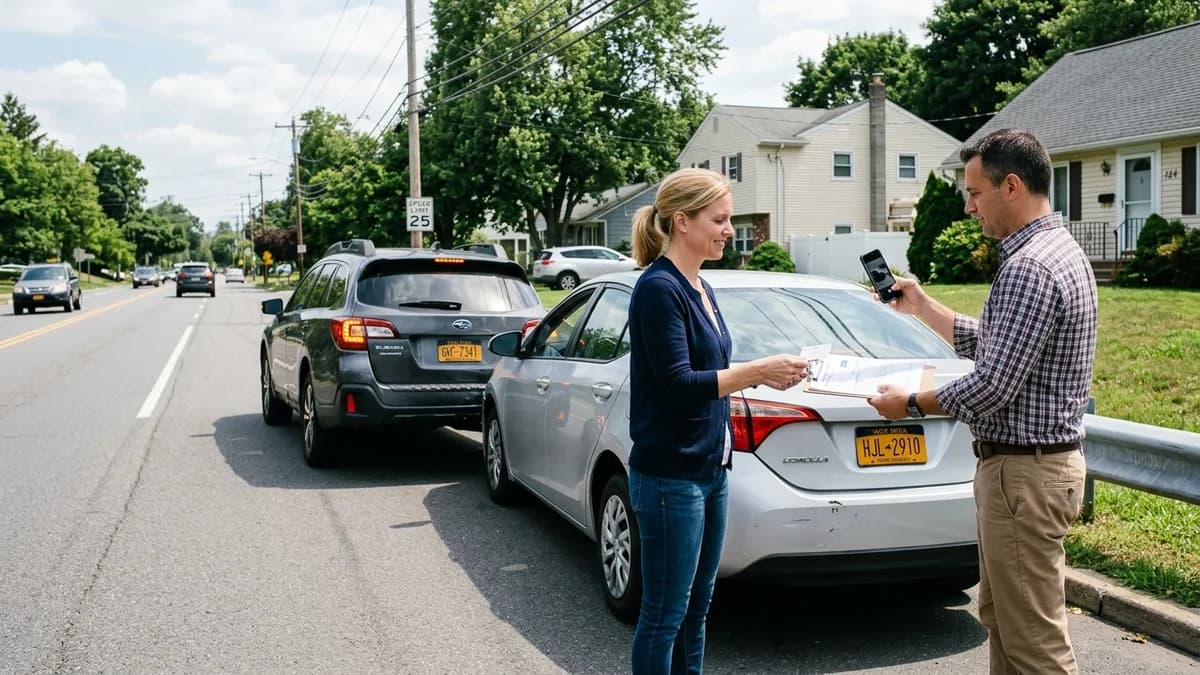
What to Do Immediately After a Car Accident: The 8-Step Emergency Protocol
Learn the exact steps to take after a crash: scene security, document exchange, and state DMV reporting deadlines.

The 3 Stages of Graduated Driver Licensing (GDL) Explained
Learn the rules of learner permits, provisional licenses, curfews, and passenger restrictions.

The Top 10 Automatic Fails on the DMV Driving Road Test
Avoid critical driving errors that cause immediate test disqualification on behind-the-wheel exams.