Bodily Injury & Property Damage: Understanding 25/50/25 Coverage Limits
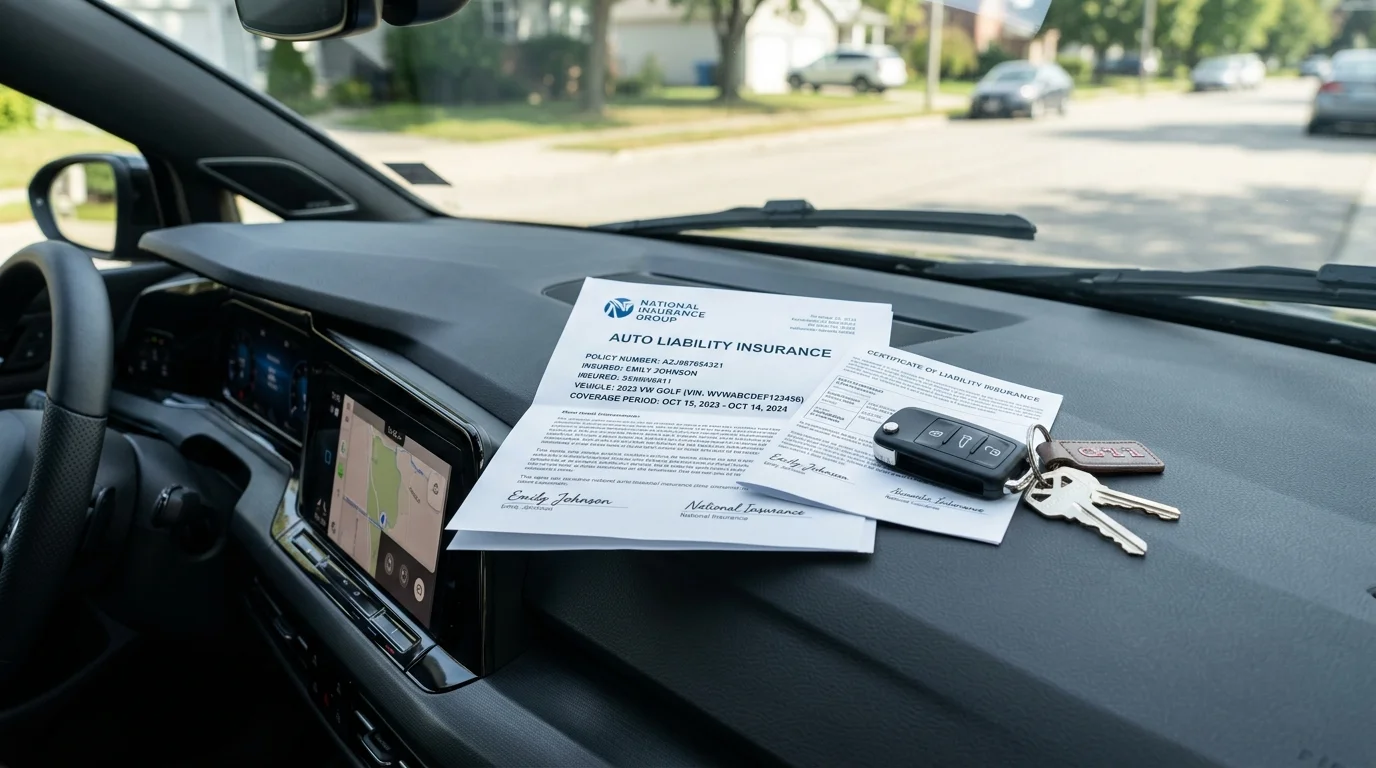
Split liability limits (such as 25/50/25) define the maximum financial caps an insurance company will pay for medical injuries and vehicle damages.
Quick Answer & Key Takeaways
Auto insurance liability limits are formatted as three numbers (e.g. 25/50/25 or $25k/$50k/$25k): 1) $25,000 BODILY INJURY PER PERSON: The maximum payout for medical bills/lost wages for any single injured victim. 2) $50,000 BODILY INJURY PER ACCIDENT: The total maximum payout for ALL injured victims combined, regardless of how many people were hurt. 3) $25,000 PROPERTY DAMAGE: The maximum payout to repair the other driver's car, roadside signs, or damaged structures. If total crash damages exceed these caps, YOU are personally sued for the remaining balance.
- First Number ($25,000): Maximum paid for one person's medical expenses.
- Second Number ($50,000): Total pool paid for everyone injured in the collision.
- Third Number ($25,000): Maximum paid to repair other vehicles or property you damaged.
- The Asset Danger: If you total a modern $60,000 luxury EV with a $25k property limit, the other insurer will sue you directly for the unpaid $35,000 difference.
How Split Limits Work: The 3 Numbers Decoded (XX/YY/ZZ)
When you purchase an auto insurance policy as covered in our Auto Insurance 101 guide, the most prominent line item is your Third-Party Liability Coverage.
Liability coverage pays for the medical bills, rehabilitation, pain and suffering, lost wages, and property repairs of other people when you cause an at-fault motor vehicle collision.
State minimums vary. For example, California requires 30/60/15 for policies issued or renewed on or after January 1, 2025 under SB 1107, replacing its former 15/30/5 limits.
The 3 Numbers in a 25/50/25 Auto Insurance Policy
Each number in the "25/50/25" ratio represents thousands of dollars in maximum payout protection:
$25,000 Bodily Injury Per Person Maximum
The first number ($25,000) is the absolute ceiling your insurance company will pay for the bodily injury claims (ambulance transport, ER surgery, hospitalization, physical therapy) of any single individual.
The Real-World Scenario: If you cause a crash and the other driver incurs $45,000 in emergency hospital bills, your insurance company pays its maximum cap of $25,000. You are personally liable for the remaining $20,000 out-of-pocket.
$50,000 Bodily Injury Per Accident Cap
The second number ($50,000) is the total aggregate pool of money available for all injured victims combined in that single accident.
The Real-World Scenario: If you hit a minivan carrying 4 passengers and each passenger suffers $20,000 in medical bills ($80,000 total medical loss), your insurer will pay only $50,000 total (divided among the 4 victims). The injured passengers will file a lawsuit against you personally to recover the remaining $30,000.
$25,000 Property Damage Liability (Vehicles & Structures)
The third number ($25,000) is the maximum your insurer will pay to repair or replace physical property you damage (the other vehicle, street signs, guardrails, or storefronts).
According to auto industry data from Kelley Blue Book, the average new car sold in the United States costs over $48,000. If you rear-end a new pickup truck or Tesla Model Y and total it, a $25,000 property limit will leave you with a $23,000 personal financial debt.
The Real-World Financial Danger: Why 25/50/25 Leaves You Bankrupt
State minimum insurance laws are designed as a baseline entry fee to register a vehicle at the DMV, not to protect your personal assets.
When accident damages exceed your policy limits:
- Wage Garnishment: Courts can order up to 25% of your disposable weekly paycheck garnished for years to pay off a crash judgment.
- Bank Account Levies: Savings and investment accounts can be seized.
- Driver's License Suspension: Under state financial responsibility laws, failing to satisfy an unsatisfied civil crash judgment will result in the immediate suspension of your driver's license by the DMV.
Recommended Coverage Tiers: The 100/300/100 Benchmark
Financial advisors and the Insurance Information Institute (III) recommend upgrading to:
100 / 300 / 100 Coverage:
- $100,000 Bodily Injury Per Person
- $300,000 Bodily Injury Per Accident
- $100,000 Property Damage Liability
Increasing your limits from state minimums to 100/300/100 typically adds only $15 to $30 per month to your premium while providing 400% more financial protection.
Interactive Knowledge Check
Question: If you carry a 25/50/25 liability auto policy and cause an at-fault crash that inflicts $35,000 in medical bills on ONE person, how much will your insurance company pay?
Authoritative Sources & Regulatory References
Content and statutory guidelines in this guide are verified against official state vehicle codes, federal transportation standards, and authoritative regulatory documentation:
- CDIAutomobile Insurance Minimum Financial Responsibility Limits(California Department of Insurance)
- IIIUnderstanding Automobile Liability Split Limits and Asset Protection(Insurance Information Institute)
- NHTSANational Traffic Collision Economic and Medical Loss Data(National Highway Traffic Safety Administration)
94% of people found this article helpful.
Click a star to add your vote
292 votes • average 4.75 out of 5
Official 2026 DMV Practice Tests by State
Select your state to practice real exam questions based on the latest 2026 driver handbook.
Ready to Pass the DMV Test on Your First Try?
Practice real 2026 DMV questions with instant answer explanations, simulated timers, and pass-guarantee study guides.
Start Free Practice TestRecommended Driver Guides

Auto Insurance 101 for Beginners: Coverage Types, Deductibles, and Policy Limits

What to Do Immediately After a Car Accident: The 7-Step Collision Checklist