Absolute Speed Limits vs. Prima Facie Speed Limits: What’s the Legal Difference?
Understanding the legal distinction between absolute and prima facie speed limits is essential for DMV knowledge tests and traffic law.
Quick Answer & Key Takeaways
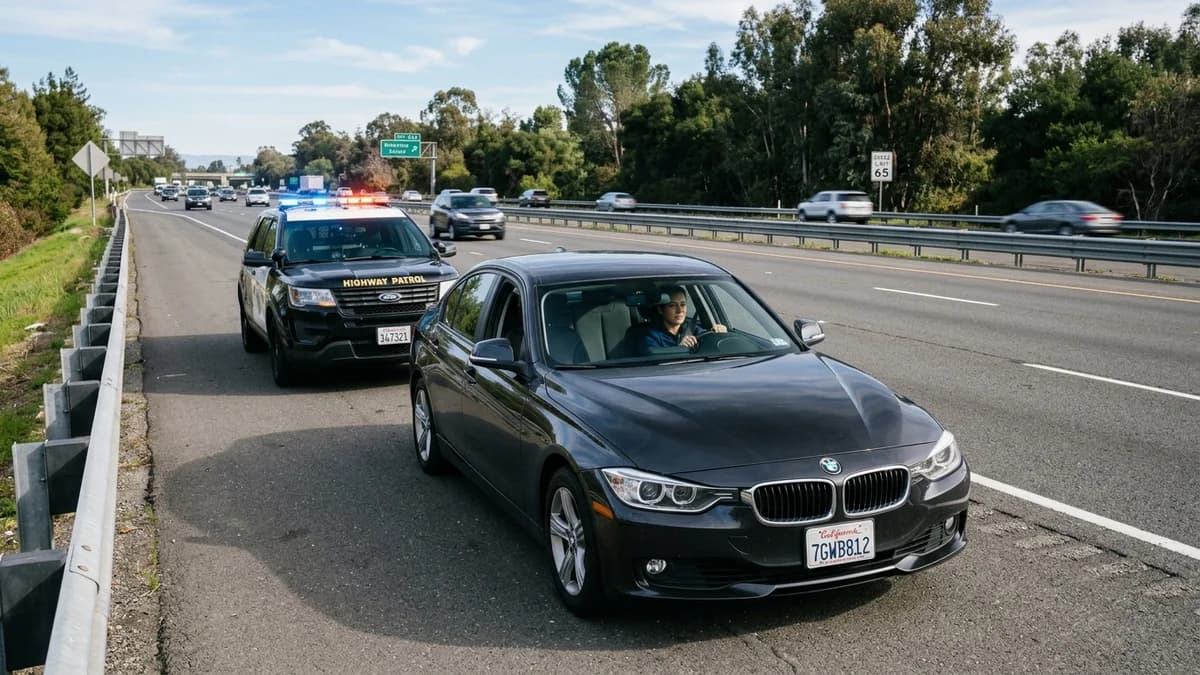
Under US traffic jurisprudence: 1) ABSOLUTE SPEED LIMITS (e.g., 65/70 mph on freeways) are strict hard ceilings. If you drive 66 mph in a 65 mph zone, you have committed an infraction regardless of conditions. 2) PRIMA FACIE SPEED LIMITS (Latin for 'at first face', e.g., 25 mph residential or 15 mph in alleys) are legally presumed to be safe; driving over them is presumed speeding, but a driver can legally argue in court that higher speed was safe given clear road and weather conditions.
- Absolute Limit = Black and White: No legal defense exists based on road conditions; exceeding the number by 1 mph is a violation.
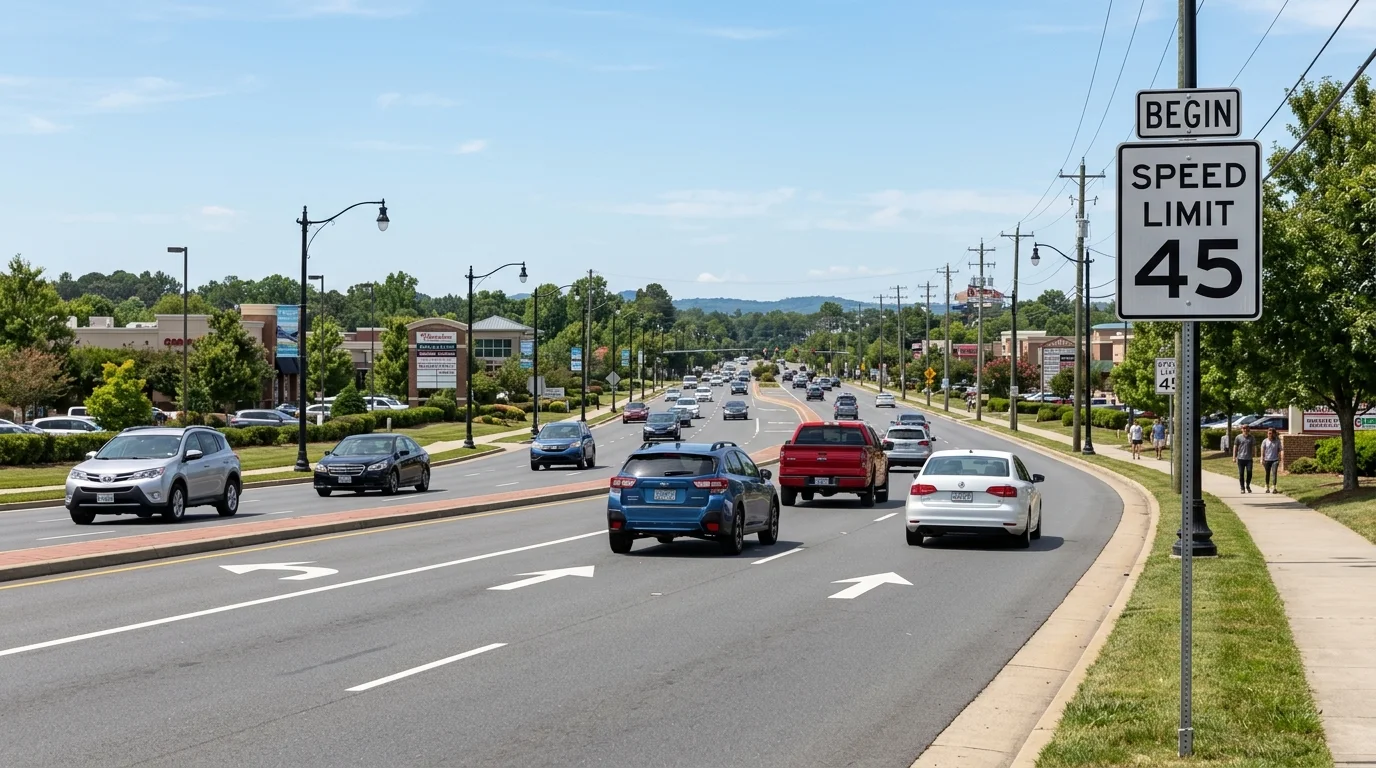
- Prima Facie = Presumed Limit: The default statutory speeds in residential zones (25 mph), school zones (15–25 mph), and blind alleys (15 mph).
- Basic Speed Law Override: Even in an absolute or prima facie zone, you cannot drive faster than is safe for current weather and traffic.
- DMV Exam Focus: Written exams heavily test the default unposted 15 mph and 25 mph statutory prima facie speed categories.
The 3 Types of Speed Laws in the United States
On state DMV written exams and in municipal traffic courts, speed laws are divided into three distinct legal frameworks:
- Absolute Speed Limits (Maximum Speed Laws): Unconditional hard ceilings.
- Prima Facie Speed Limits (Presumed Speed Laws): Default statutory guidelines that carry a rebuttable presumption of danger.
- The Basic Speed Law: The universal rule mandating that speed must always match environmental safety conditions.
Absolute Speed Limits: The Unbreakable Hard Ceiling
Under California Vehicle Code § 22349, an Absolute Speed Limit is a non-negotiable statutory cap.
- Strict Liability: If the posted absolute limit on an interstate highway is 65 mph (or 70 mph where posted), traveling at 66 mph is a direct moving violation.
- No Court Justification: You cannot argue to a judge that the weather was sunny, traffic was zero, or your sports car has high-performance brakes. If the officer's radar or LIDAR proves you exceeded the numerical cap, the violation is legally complete.
- Undivided Two-Lane Highways: In California and many Western states, the default absolute maximum limit on unposted two-lane undivided rural highways is 55 mph under CVC § 22349(b).
Prima Facie Speed Limits: "At First Glance" Presumptions
Prima facie is a Latin legal term translating to "at first sight" or "on its face."
Under California Vehicle Code § 22352:
- The Legal Presumption: Driving at or below a prima facie limit is presumed safe. Driving faster than a prima facie limit is presumed unsafe and unlawful.
- The Rebuttable Defense: Unlike absolute limits, a prima facie speeding charge can theoretically be contested in court. If a driver is cited for traveling 32 mph in a 25 mph residential zone, the driver can present evidence to the judge showing that the road was completely empty, dry, wide, daylight, and that 32 mph did not compromise safety. (In practice, overcoming this burden of proof is difficult).
The Basic Speed Law: Driving for Environmental Conditions
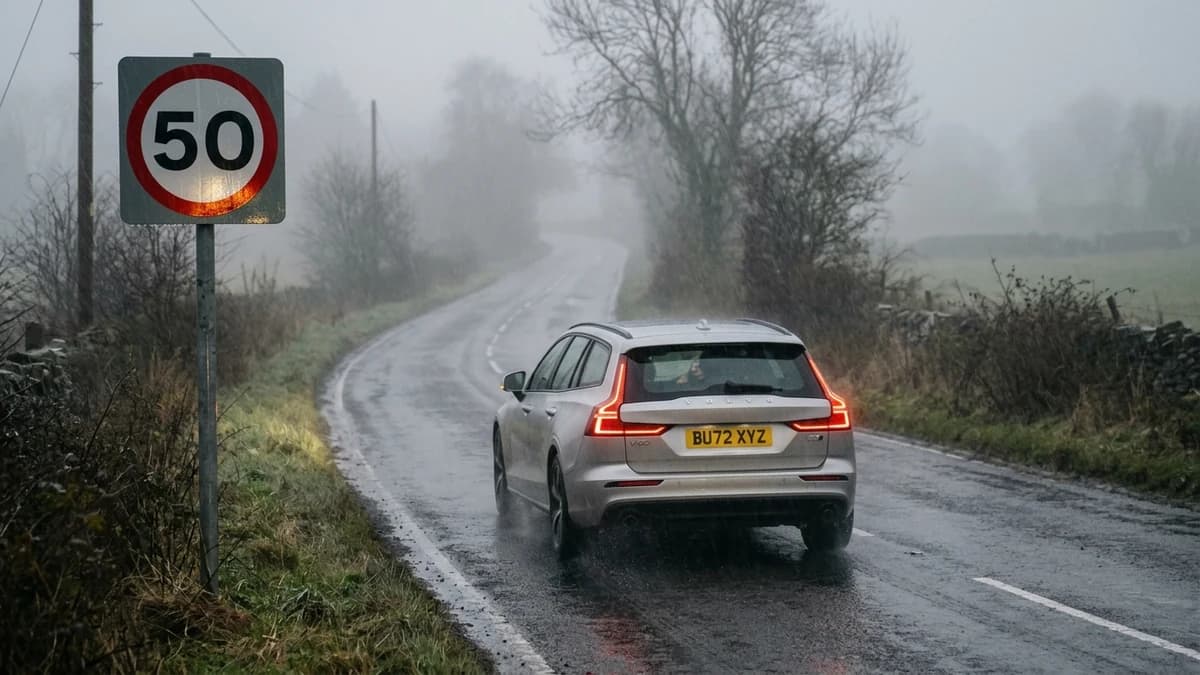
As analyzed in our definitive guide on The Basic Speed Law explained, you may NEVER drive faster than is safe for road width, weather, visibility, pedestrian density, and vehicle traction.
The Basic Speed Law overrides both absolute and prima facie limits in bad weather: driving 50 mph on a 65 mph freeway during heavy rain or blinding fog is an enforceable speeding infraction.
Default Statutory Prima Facie Limits (15 MPH vs. 25 MPH)
DMV written exams require applicants to memorize unposted statutory limits:
- 15 MPH Limit (Blind Intersections & Alleys):
- Blind Intersections: Intersections where you cannot see 100 feet in either direction during the last 100 feet of your approach under uncontrolled intersection rules.
- Alleys: Any commercial or residential alleyway.
- Blind Railroad Crossings: Within 100 feet of a railroad track where you cannot see 400 feet down the tracks in both directions.
- 25 MPH Limit (Residential & Business Districts):
- Residential Neighborhoods: Any street in a residential housing district unless posted otherwise.
- Business Districts: Downtown commercial streets with storefronts and curbside parking.
- Active School Zones: Within 500 feet of a school when children are present or beacons are flashing.
How Speeding Defenses Work in Traffic Court
When challenging a citation before a traffic court judge:
- Absolute Speed Ticket (Freeway 65 MPH): Your only viable defenses are challenging officer equipment calibration (radar/laser tuning fork logs) or proving misidentification of your vehicle.
- Prima Facie Speed Ticket (City Street): You can present photographic evidence and weather logs showing that your speed was safe for conditions, or challenge whether the city conducted a valid Engineering and Traffic Survey (Speed Trap defense under CVC § 40802).
Interactive Knowledge Check
Question: What is the statutory unposted speed limit when approaching a blind intersection where you cannot see 100 feet in both directions?
Authoritative Sources & Regulatory References
Content and statutory guidelines in this guide are verified against official state vehicle codes, federal transportation standards, and authoritative regulatory documentation:
- California LegislatureCalifornia Vehicle Code § 22349: Maximum Speed Limits(State of California Vehicle Code)
- California LegislatureCalifornia Vehicle Code § 22352: Prima Facie Speed Limits(State of California Vehicle Code)
- FHWASpeed Concepts: Informational Guide and Speed Zoning Policy(Federal Highway Administration)
85% of people found this article helpful.
Click a star to add your vote
158 votes • average 4.32 out of 5
Official 2026 DMV Practice Tests by State
Select your state to practice real exam questions based on the latest 2026 driver handbook.
Ready to Pass the DMV Test on Your First Try?
Practice real 2026 DMV questions with instant answer explanations, simulated timers, and pass-guarantee study guides.
Start Free Practice TestRecommended Driver Guides
The Basic Speed Law Explained: Why You Can Get a Ticket Driving Under the Speed Limit

School Zone Speed Limits and Flashing Beacon Laws: Fines & Penalties