The Basic Speed Law Explained: Why You Can Get a Ticket Driving Under the Speed Limit
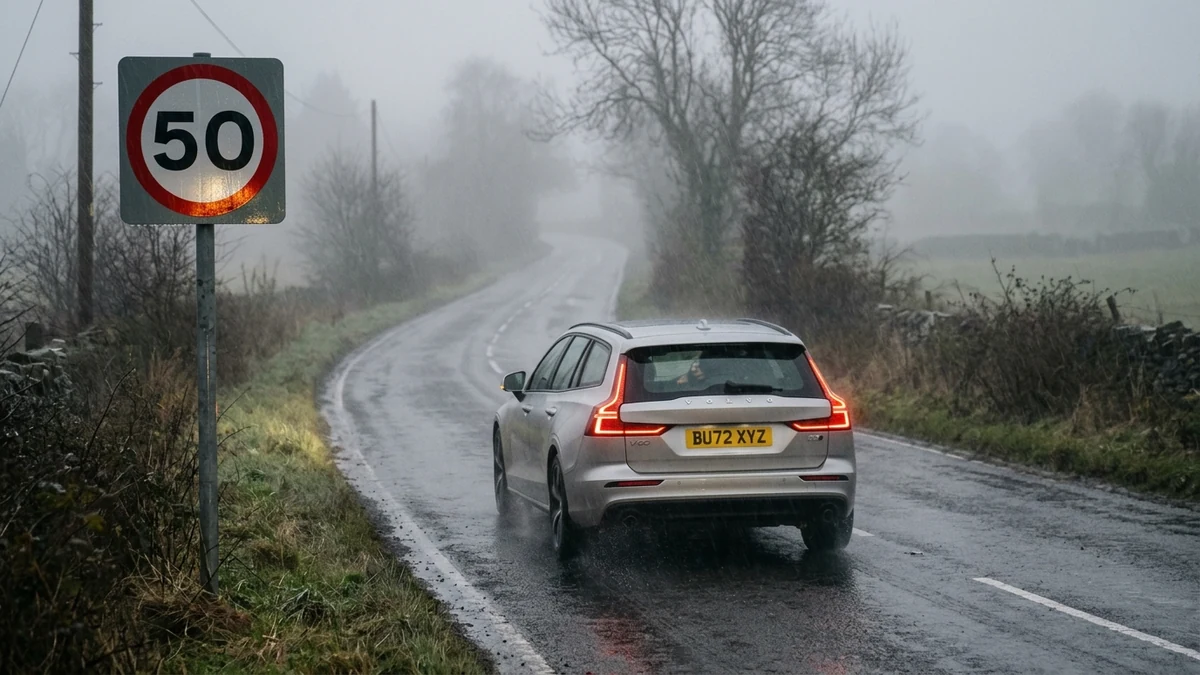
The Basic Speed Law mandates that you never drive faster than is safe for current environmental and road conditions, regardless of posted limits.
Quick Answer & Key Takeaways
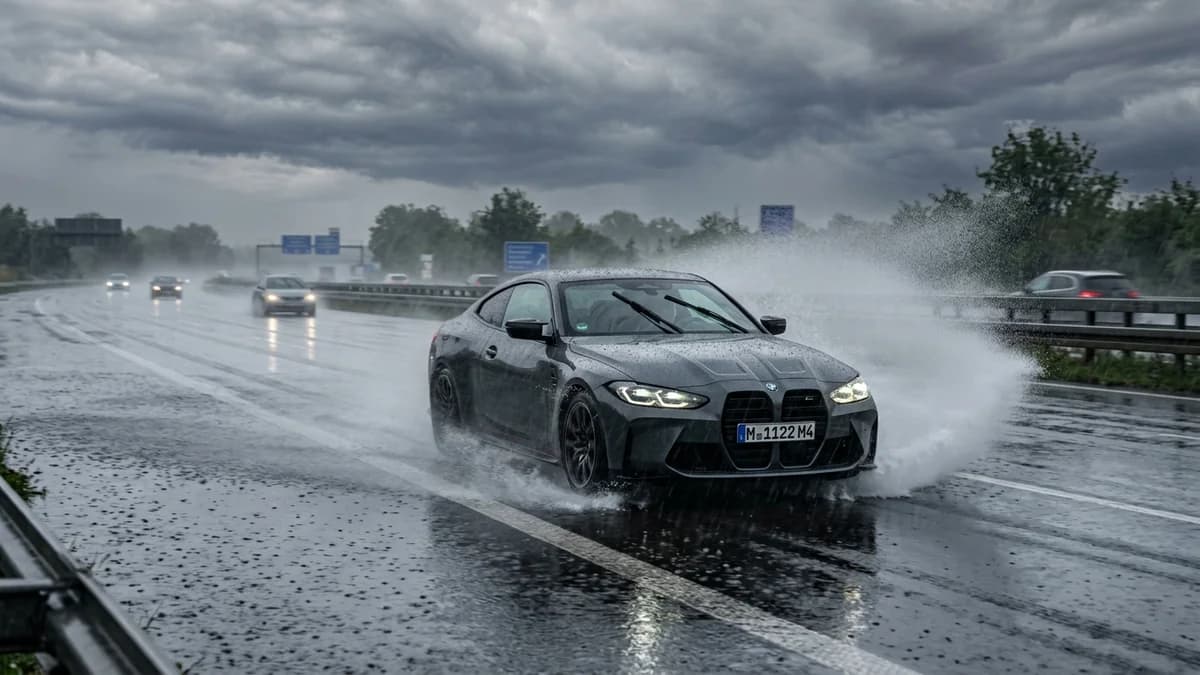
The Basic Speed Law states that you may NEVER drive faster than is safe for present road, weather, visibility, and traffic conditions—regardless of the posted speed limit sign. If the posted limit is 65 mph, but heavy rain creates hydroplaning hazards or dense fog restricts visibility to 50 feet, driving 50 mph can legally result in a speeding ticket because your velocity was unsafe for conditions.
- Posted limits assume ideal conditions: Speed limit signs represent the maximum legal speed under dry, sunny, clear daytime conditions.
- 4 key factors: 1) Number and speed of other vehicles, 2) Road surface (wet, icy, gravel), 3) Visibility (fog, rain, darkness), 4) Pedestrians and cyclists.
- Weather mandates speed drops: In heavy rain, driving 10–15 mph below the posted limit is standard safe practice to prevent hydroplaning.
- Minimum speed laws also apply: Driving excessively slow on high-speed freeways in clear weather without cause is also a ticketable offense.
What Is the Basic Speed Law?
One of the most heavily tested questions on every state DMV permit exam asks: "What is the Basic Speed Law?"
Under California Vehicle Code § 22350 and equivalent statutes nationwide, the law is defined simply:
"No person shall drive a vehicle upon a highway at a speed greater than is reasonable or prudent having due regard for weather, visibility, the traffic on, and the surface and width of, the highway, and in no event at a speed which endangers the safety of persons or property."
In plain English, this means the numerical number posted on a white rectangular speed limit sign is not an absolute entitlement. It is the maximum allowable speed under ideal conditions. When conditions deteriorate, your legal obligation is to decelerate to a safe speed.
The 4 Environmental Factors That Dictate Safe Speed
Traffic officers and court judges evaluate four specific variables when determining whether your speed violated the Basic Speed Law:
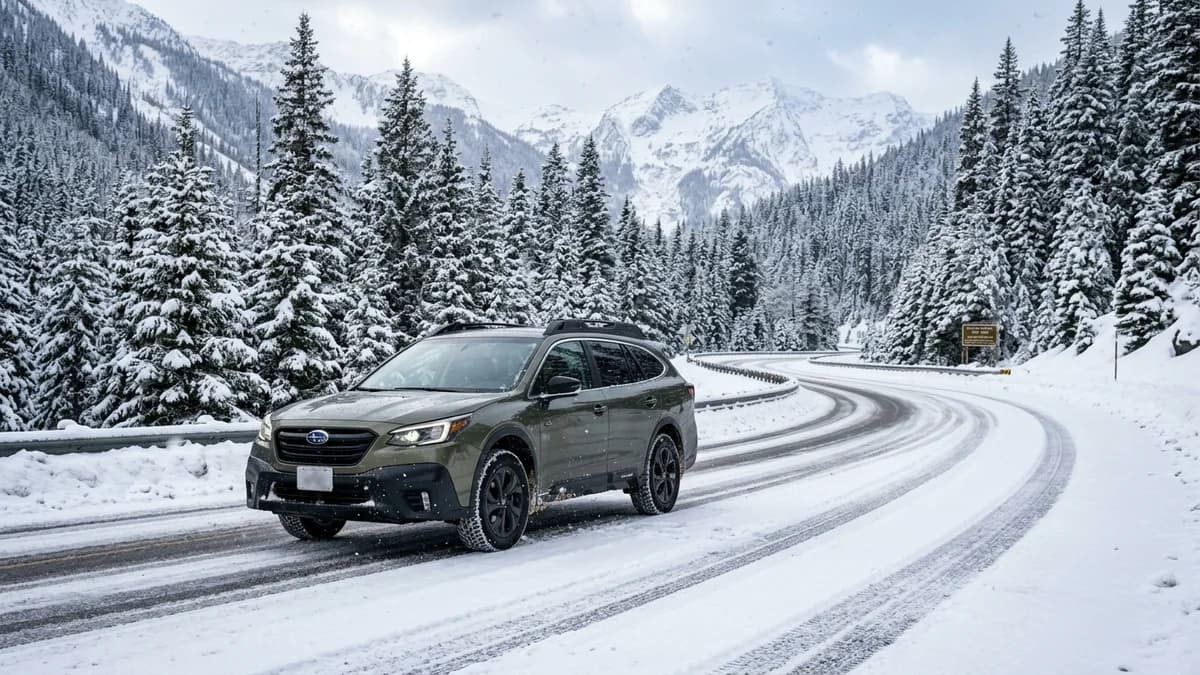
- Weather & Road Surface Traction: Wet asphalt, accumulated standing water, slush, packed snow, or hidden black ice dramatically lengthen braking distances. Driving 55 mph on wet pavement where tires lose contact with asphalt under hydroplaning conditions is a clear violation.
- Atmospheric Visibility: Dense fog, torrential downpours, blowing dust, smoke, or driving into blinding low-angle sunset glare restricts your stopping sight distance. If you cannot see far enough ahead to stop within the distance illuminated by your headlights, you are driving too fast.
- Traffic Volume & Density: Stop-and-go freeway congestion, entering merge lanes under highway acceleration protocols, or heavily congested downtown corridors require dropping speed to match surrounding flow.
- Presence of Vulnerable Road Users: School zones with active children, construction work zones with roadside crews under Move Over laws, and residential areas with curbside pedestrians.
How You Can Get a Speeding Ticket Driving 45 MPH in a 65 MPH Zone
Many drivers mistakenly believe that as long as their speedometer needle is below the posted numerical limit, an officer cannot legally issue a speeding citation.
Consider this real-world scenario: You are driving 48 mph on a California interstate where the posted speed limit is 65 mph. However, a sudden torrential winter storm has created 2 inches of standing water across the lanes, reducing forward visibility to 60 feet. Other vehicles have slowed to 30 mph.
Because 48 mph in those specific conditions creates severe risk of hydroplaning and prevents you from stopping in time if traffic ahead halts, a Highway Patrol officer can pull you over and issue a citation under CVC § 22350 for "Speed Unsafe for Prevailing Conditions."
Basic Speed Law vs. Absolute vs. Prima Facie Limits
State traffic codes divide speed limits into three distinct legal categories:
- Absolute Speed Limits: The hard maximum cap. Exceeding an absolute limit (e.g., driving 70 mph in a posted 65 mph zone on a bright sunny day) is an automatic violation regardless of how safe you were driving.
- Prima Facie Speed Limits: Default statutory limits that apply when no signs are posted (e.g., 25 mph in residential/business districts, 15 mph in blind intersections/alleys/school zones with children present).
- The Basic Speed Law: Overrides all posted numbers when weather, road, or traffic conditions deteriorate.
Can You Get a Ticket for Driving Too Slow? (Minimum Speed Laws)
Yes! Under state vehicle codes (e.g., CVC § 22400), "No person shall drive upon a highway at such a slow speed as to impede or block the normal and reasonable movement of traffic."
Driving 35 mph in the left lane of a 65 mph freeway during clear, sunny weather forces other drivers to brake abruptly and weave around you, creating dangerous speed differentials. If you must drive slowly due to vehicle issues, you must travel in the far-right lane or activate hazard flashers and exit the highway.
How Examiners Grade Speed Control on DMV Road Tests
During your behind-the-wheel exam, speed management is evaluated continuously under DMV scoring rubrics:
- Exceeding Posted Limit by 1–3 MPH: Immediate automatic failure for "Exceeding Speed Limit."
- Driving Too Slow (-4 Points): Driving more than 5–10 mph below the posted limit on dry, clear roads without traffic incurs deductions for "Unnecessary Hesitation / Impeding Flow."
- Failing to Adjust for Rain/Curves: Taking sharp corners or approaching wet intersections without slowing down incurs deductions for "Failure to Adjust Speed for Road Conditions."
Interactive Knowledge Check
Question: The posted speed limit on a rural highway is 55 mph. Heavy rain and thick fog reduce forward visibility to 100 feet. What is the legally correct speed to drive?
Authoritative Sources & Regulatory References
Content and statutory guidelines in this guide are verified against official state vehicle codes, federal transportation standards, and authoritative regulatory documentation:
- California LegislatureCalifornia Vehicle Code § 22350: The Basic Speed Law(State of California Vehicle Code)
- NCUTLOUniform Vehicle Code § 11-801: Basic Rule and Maximum Limits(National Committee on Uniform Traffic Laws and Ordinances)
- NHTSASpeeding and Adverse Weather Crash Fatality Analysis(National Highway Traffic Safety Administration)
92% of people found this article helpful.
Click a star to add your vote
152 votes • average 4.64 out of 5
Official 2026 DMV Practice Tests by State
Select your state to practice real exam questions based on the latest 2026 driver handbook.
Ready to Pass the DMV Test on Your First Try?
Practice real 2026 DMV questions with instant answer explanations, simulated timers, and pass-guarantee study guides.
Start Free Practice Test