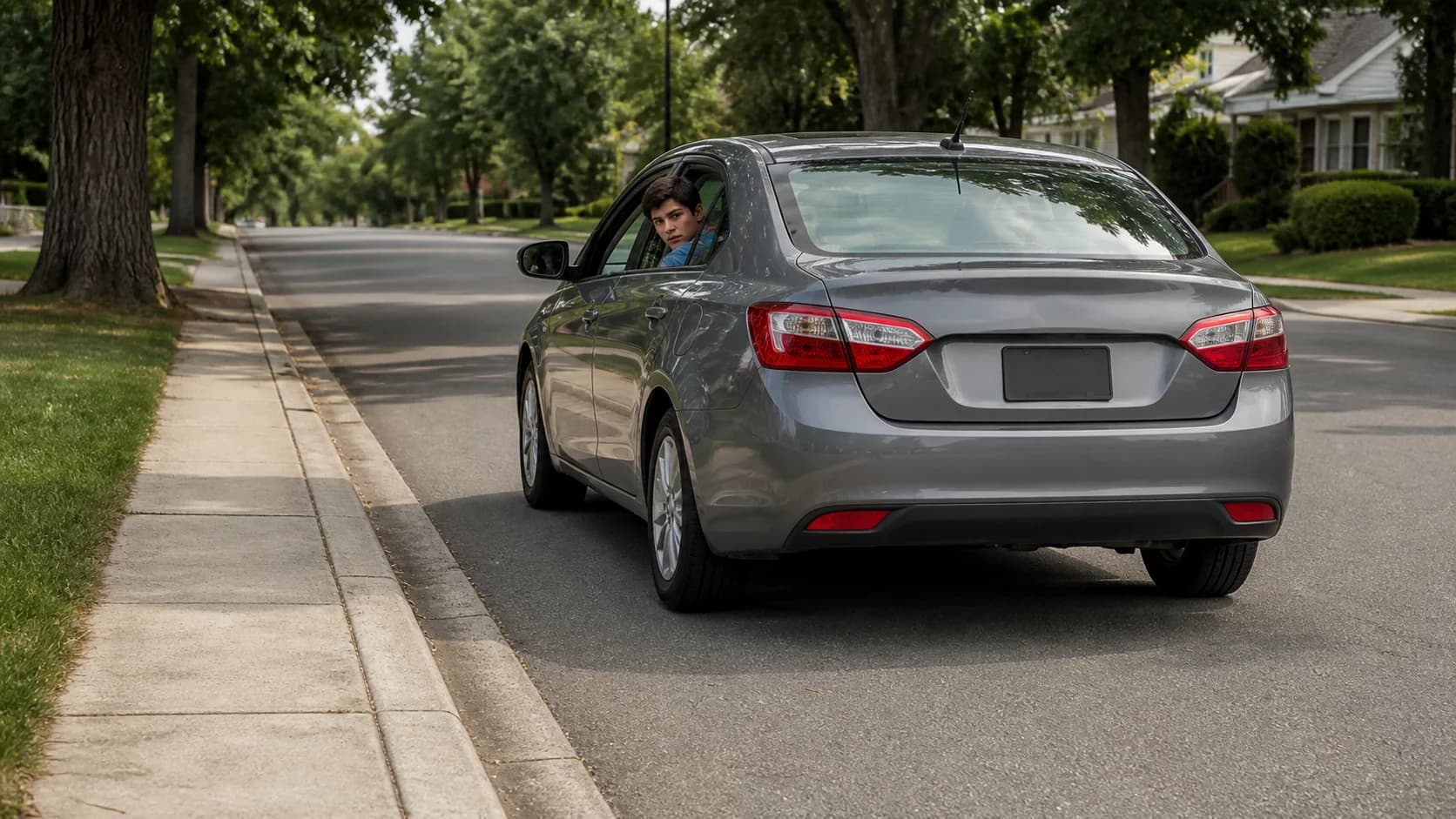
Curb Color Parking Rules: Red, Yellow, White, Green, and Blue Curbs Decoded
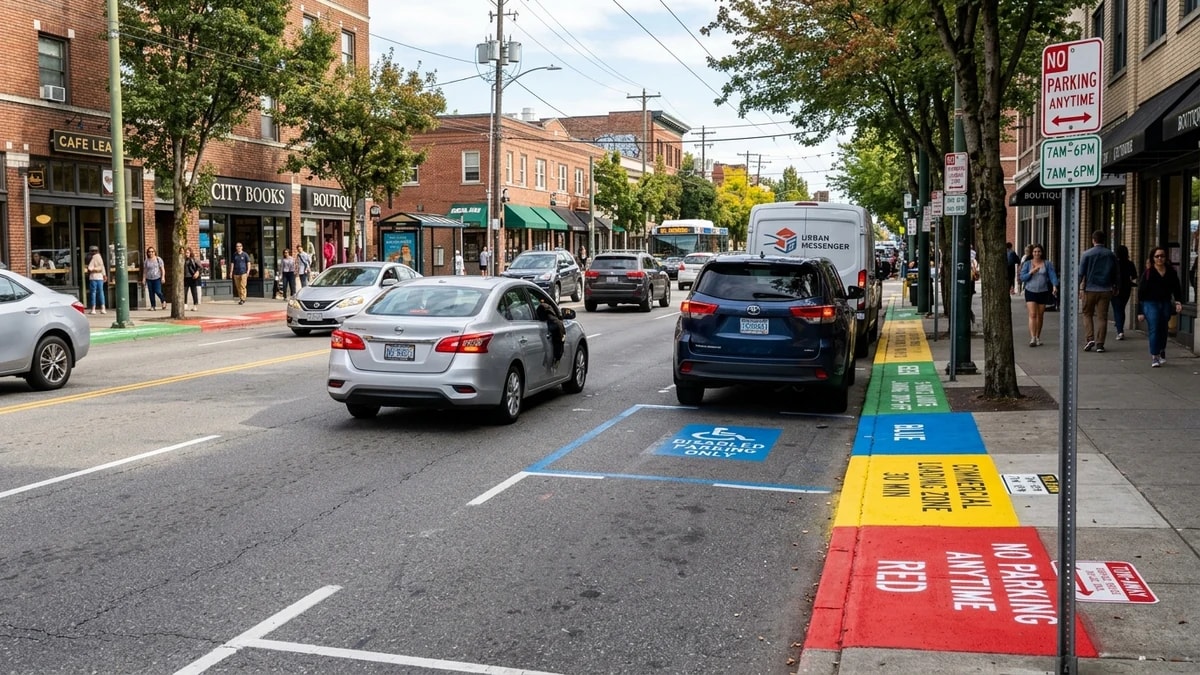
Municipal curb color codes regulate stopping, passenger drop-offs, commercial deliveries, and disabled parking access.
Quick Answer & Key Takeaways
Here is the universal curb color code: 1) RED: No stopping, standing, or parking at any time (fire zones and bus stops). 2) WHITE: Stop only long enough to pick up or drop off passengers or deposit mail in an adjacent mailbox. 3) GREEN: Park for a limited time (typically 10 to 30 minutes, painted on the curb or posted on an adjacent sign). 4) YELLOW: Commercial loading and unloading of freight or passengers (non-commercial vehicles allowed only for active passenger drop-off). 5) BLUE: Parking permitted ONLY for disabled persons displaying a valid DP placard or license plate.
- Red Curbs: Stopping for even 10 seconds to let a passenger out can result in an immediate parking ticket or vehicle tow.
- Green Curbs: Active during normal business hours (typically 8 AM to 6 PM Monday–Saturday; unrestricted outside posted hours).
- Blue Curbs: Accessible 24/7 with no time limits unless posted; fraudulent use carries misdemeanor fines up to $1,000.
- Unpainted Curbs: Must park within 18 inches of the curb face and observe standard 15-foot fire hydrant clearances.
The Standardized 5-Curb Color Coding System
In metropolitan and suburban downtown districts, street parking is governed by painted curb markings. Rather than relying solely on metal street signs that can be obscured by trees or delivery trucks, municipalities paint curb faces in five distinct, standardized colors.
Knowing the exact legal privileges associated with each color is essential for avoiding parking citations, impound tow fees, and automatic failure on your DMV road test when asked to park alongside a curb under hill parking or parallel parking instructions.
Red Curb: No Stopping, Standing, or Parking (Ever)
A red curb indicates a strict, 24/7 zero-tolerance zone under state vehicle codes:
- Legal Restriction: No stopping, standing, or parking at any time, day or night.
- Can You Keep the Engine Running? NO. You cannot stop at a red curb even with the engine running, hazard flashers on, or your foot on the brake.
- Common Locations: Fire hydrant zones, transit bus stops, tight intersection corner radii to preserve sightlines, and emergency vehicle access routes.
- Exception: Only municipal transit buses may stop at designated red curb bus zones.
White Curb: Passenger Loading & Unloading Only
A white curb is designed for quick passenger turnover:
- Legal Restriction: Stop only long enough to pick up or drop off passengers, or to deposit mail in an adjacent United States Postal Service mailbox.
- Time Limit: Typically limited to a maximum of 3 to 5 minutes.
- Driver Requirement: The driver must remain inside or immediately adjacent to the vehicle at all times. Leaving your vehicle unattended to run into a store is a parking violation.
- Common Locations: Airport passenger terminals, hotel entrances, school drop-off zones, and theaters.
Green Curb: Short-Term Limited Time Parking (10–30 Min)
A green curb provides high-turnover parking spaces for quick errands:
- Legal Restriction: Park for a limited time, usually 10, 15, 20, or 30 minutes. The exact time limit is stenciled in white paint directly onto the green curb or posted on an adjacent metal sign.
- Operating Hours: Enforced during normal business hours (typically 8:00 AM to 6:00 PM, Monday through Saturday). Outside of posted hours and on Sundays/city holidays, parking is generally unrestricted unless signage states otherwise.
- Common Locations: Dry cleaners, coffee shops, post offices, bakeries, and ATMs.
Yellow Curb: Commercial Freight & Passenger Loading
A yellow curb is designated primarily for commercial logistics:
- Commercial Vehicles: Commercial trucks (with commercial license plates) may stop for up to 20 to 30 minutes to load or unload goods and materials.
- Non-Commercial Passenger Cars: Non-commercial drivers may stop at a yellow curb ONLY to load or drop off passengers (maximum 3 to 5 minutes). The driver must stay with the vehicle.
- Operating Hours: Typically enforced between 7:00 AM and 6:00 PM, Monday through Saturday. Outside these hours, non-commercial vehicles may park freely without restriction.
Blue Curb: Disabled Persons Parking & Placards
A blue curb is strictly reserved for individuals with disabilities under ADA accessible parking standards:
- Legal Restriction: Permitted ONLY for vehicles displaying a valid Disabled Person (DP) parking placard, DP license plate, or Disabled Veteran (DV) license plate.
- Time Limits: Blue curb spaces have NO time limit, even in areas where neighboring spaces have 2-hour or green curb limits.
- Cross-Hatched Access Aisles: The painted diagonal lines next to blue spaces are wheelchair van loading aisles. Parking on cross-hatched lines is illegal for everyone (even placard holders) and carries a $500+ fine.
- Placard Abuse Penalties: Borrowing a family member's placard when they are not in the car is a California misdemeanor carrying fines up to $1,000 and possible jail time.
Unpainted Curbs: Distance Rules from Hydrants & Crosswalks
When parking along an unpainted concrete curb, state laws mandate minimum clearance distances from critical infrastructure:
- Fire Hydrant: Must park at least 15 feet away in either direction.
- Railroad Track: Must park at least 7.5 feet away from the nearest rail.
- Distance from Curb: Wheels must be within 18 inches (1.5 feet) of the curb face, parked parallel in the direction of traffic flow under curbside alignment rules.
Interactive Knowledge Check
Question: You are driving your personal sedan and need to quickly drop off a friend. Which colored curb permits passenger drop-offs as long as the driver remains in the vehicle?
Authoritative Sources & Regulatory References
Content and statutory guidelines in this guide are verified against official state vehicle codes, federal transportation standards, and authoritative regulatory documentation:
- California DMVColored Curb Parking Regulations (Driver Handbook Section 7)(State of California Department of Motor Vehicles)
- NCUTLOUniform Vehicle Code § 11-1003: Stopping, Standing or Parking Prohibited(National Committee on Uniform Traffic Laws and Ordinances)
- US Department of JusticeADA Accessible Parking and Placard Regulations(Americans with Disabilities Act Information)
87% of people found this article helpful.
Click a star to add your vote
225 votes • average 4.41 out of 5
Official 2026 DMV Practice Tests by State
Select your state to practice real exam questions based on the latest 2026 driver handbook.
Ready to Pass the DMV Test on Your First Try?
Practice real 2026 DMV questions with instant answer explanations, simulated timers, and pass-guarantee study guides.
Start Free Practice TestRecommended Driver Guides
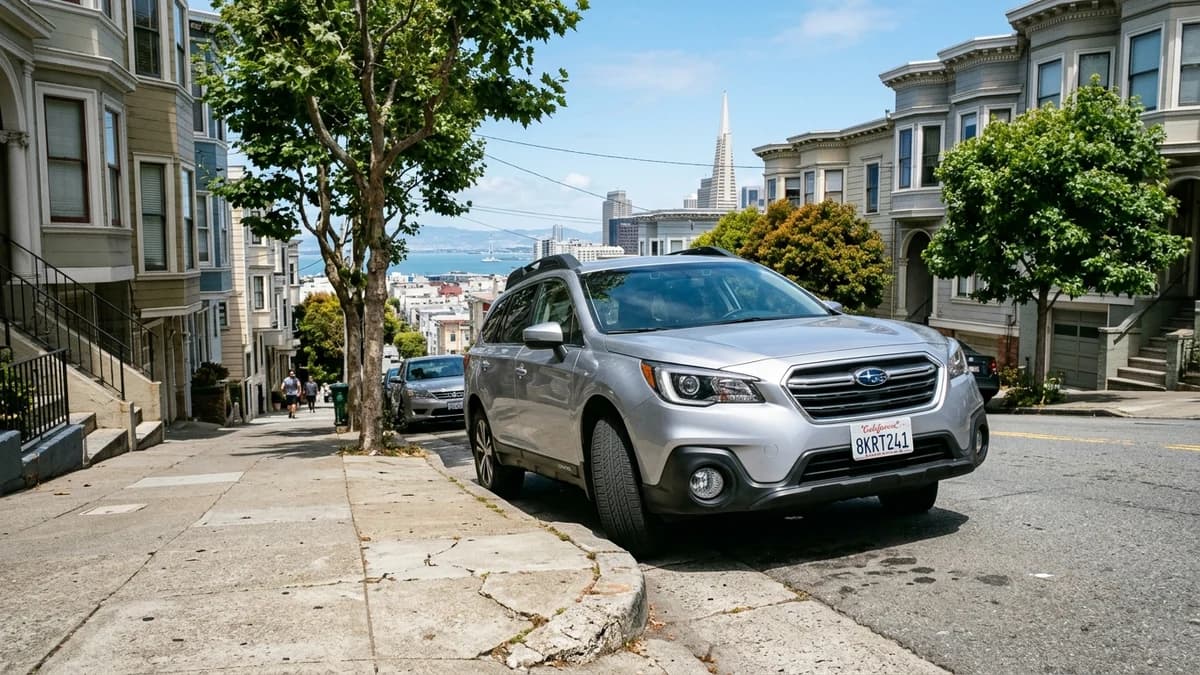
How to Park on a Hill: Which Way Do You Turn the Wheels (With & Without Curbs)?
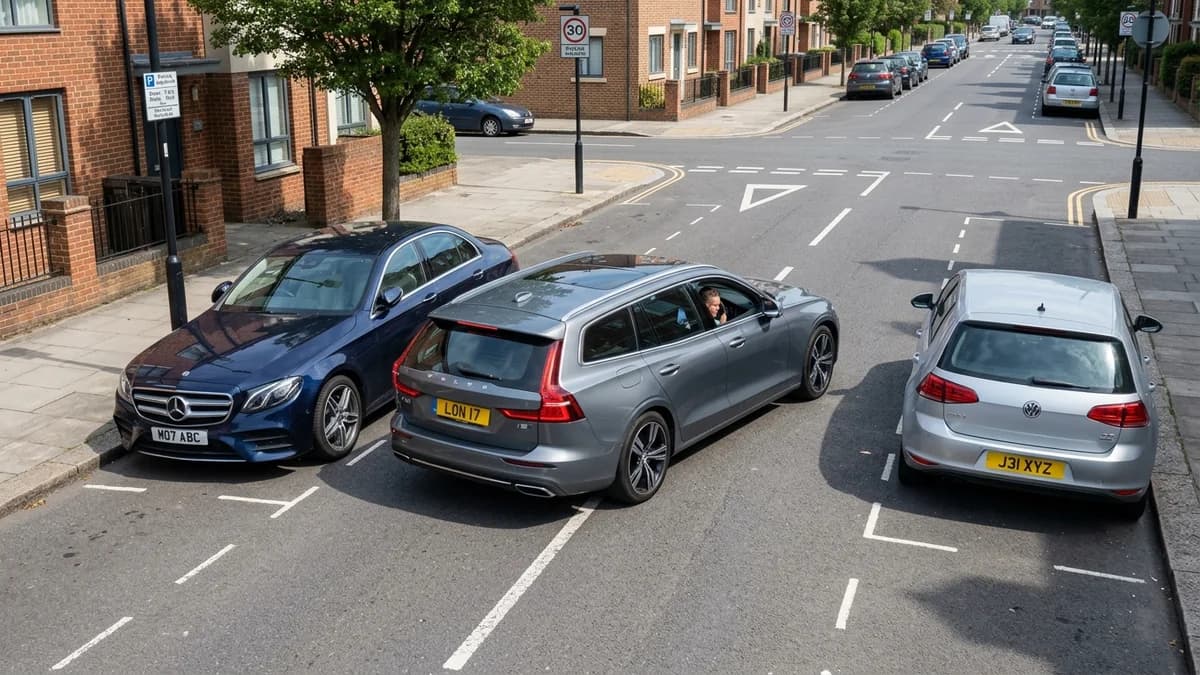
How to Parallel Park in 3 Easy Steps (With Diagrams & Reference Points)