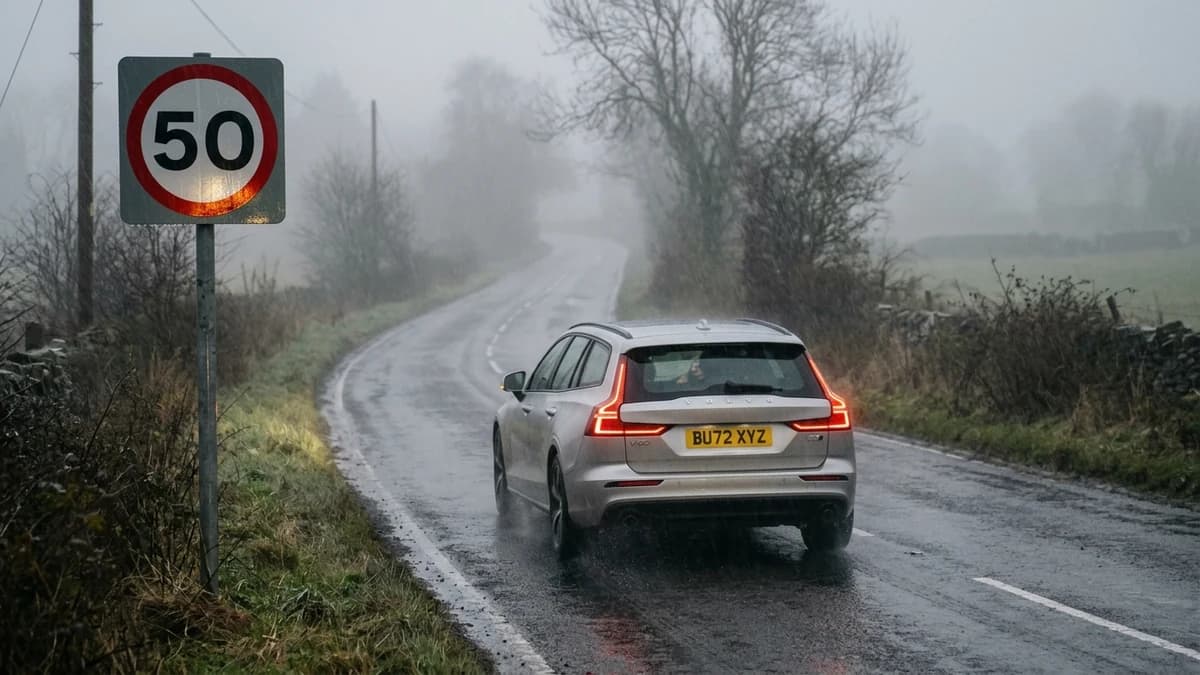
Headlight Laws: When Must Headlights Be On? (Rain, Fog, Wipers Rules)
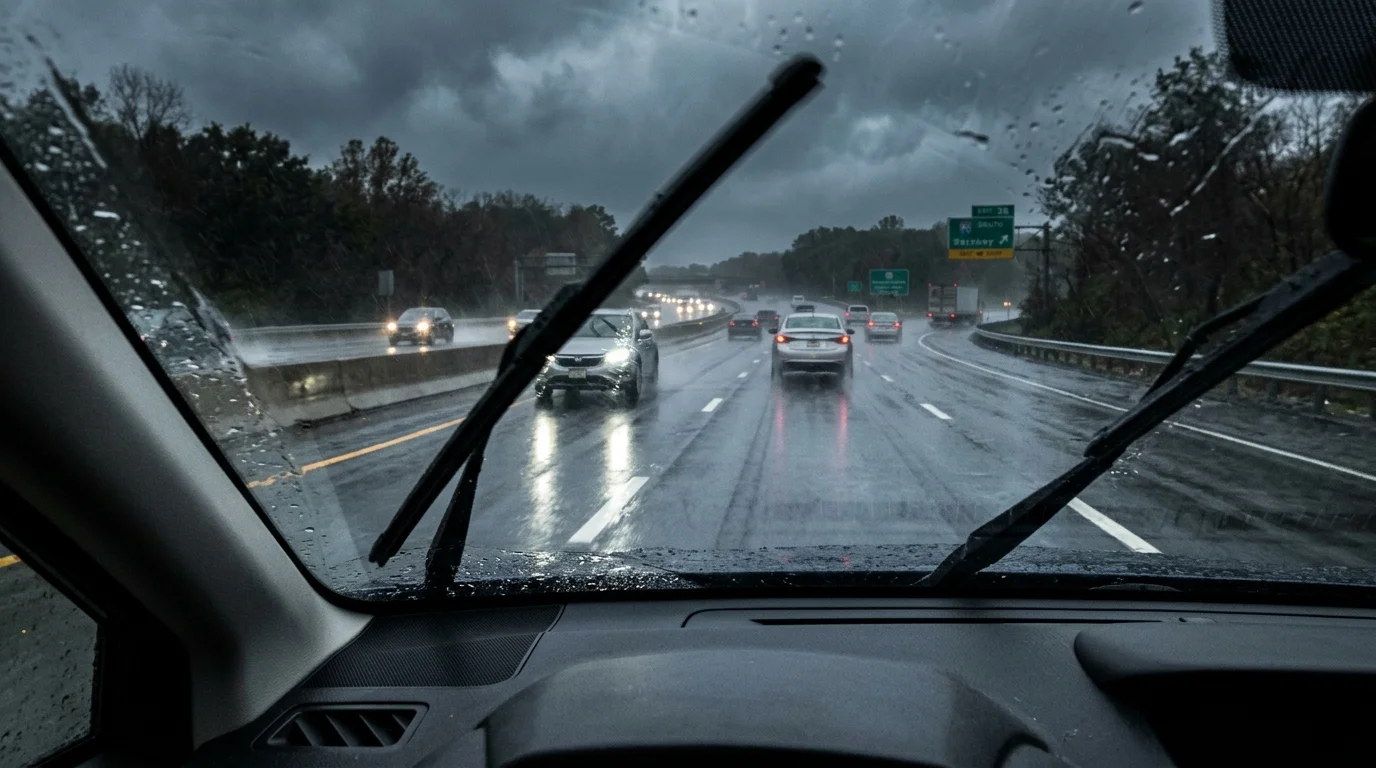
State vehicle codes legally mandate illuminating headlights whenever windshield wipers are operating continuously in rain or snow.
Quick Answer & Key Takeaways
Under US traffic laws, headlights MUST be illuminated under four specific statutory conditions: 1) From 30 MINUTES AFTER SUNSET until 30 MINUTES BEFORE SUNRISE. 2) Whenever visibility is reduced below 1,000 FEET (fog, mist, smoke, snow). 3) Under 'Wipers On, Headlights On' laws, whenever continuous windshield wipers are in use due to rain or snow. 4) On mountainous roads with 'Daylight Headlight Section' signs. Always use LOW BEAMS in fog, rain, or snow—high beams reflect off airborne moisture particles and cause blinding glare.
- Wipers On = Headlights On: In California and 28+ states, if weather conditions require continuous windshield wipers, headlights are mandatory by law.
- Never Use High Beams in Fog: High beams bounce light off water droplets back into your eyes (back-scatter glare); use low beams or dedicated fog lamps.
- The DRL Trap: Daytime Running Lights (DRL) illuminate front bulbs but leave rear tail lights 100% dark, making you invisible from behind in rain.
- Parking Lights Are NOT Headlights: Driving with only amber parking lights illuminated at dusk or in rain is illegal in all 50 states.
The 4 Mandatory Conditions When Headlights MUST Be On
Vehicle headlights serve two equal purposes: illuminating the roadway ahead for you, and making your vehicle visible to other motorists and pedestrians.
Under California Vehicle Code § 24400 and uniform state codes, a motor vehicle shall be operated with headlights turned on under four mandatory conditions:
- Darkness (Sunset/Sunrise Rule): Beginning 30 minutes after sunset and continuing until 30 minutes before sunrise as detailed in our night driving guide.
- Low Visibility (1,000-Foot Rule): Any time weather, atmospheric conditions, smoke, dust, or darkness prevent a person or vehicle from being clearly discernible from a distance of 1,000 feet.
- Inclement Weather / Rain: Whenever weather conditions necessitate the continuous operation of windshield wipers.
- Mountainous / Two-Lane Highway Corridors: In designated "Daylight Headlight Zones" (posted signs requiring 24/7 headlight use on narrow winding mountain passes).
The "Wipers On, Headlights On" Law Explained (CVC § 24400)
Under California Vehicle Code § 24400(b) and statutes in over 28 US states:
If weather conditions (rain, mist, sleet, snow) require you to turn on your windshield wipers continuously, YOU MUST TURN ON YOUR HEADLIGHTS.
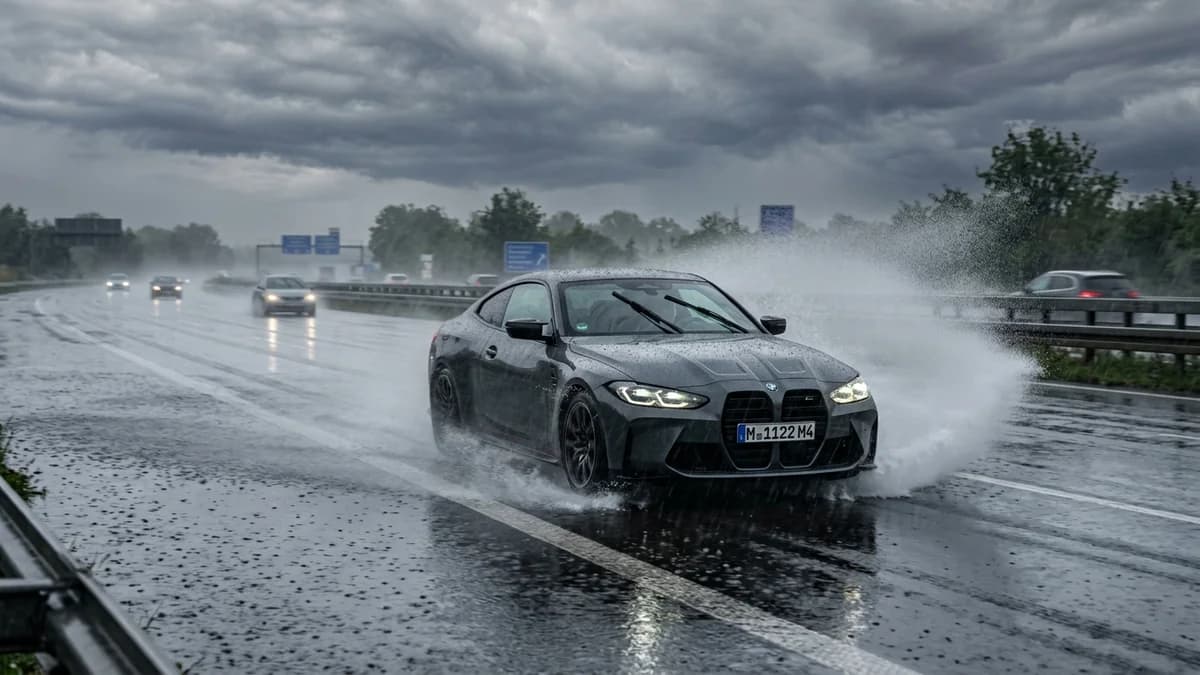
Gray and silver cars blend completely into wet asphalt spray and gray overcast skies during rainstorms under hydroplaning conditions. Illuminating headlights illuminates your rear red tail lights, preventing high-speed rear-end highway collisions.
Why High Beams in Fog & Snow Cause Blinding Back-Scatter
A common mistake during dense fog or snowstorms is activating high-beam headlights.
The Optical Physics of Back-Scatter: Fog consists of billions of microscopic liquid water droplets suspended in midair. High beams project light upward into the suspended water droplets, creating optical back-scatter that bounces blinding white glare directly back into the driver’s eyes, reducing forward visibility to zero.
Always switch to LOW BEAMS (or dedicated low-mounted amber fog lamps) in dense fog, heavy rain, or falling snow.
Daytime Running Lights (DRL) vs. Full Headlights: The "Dark Tail Light" Trap
Modern vehicles feature automated Daytime Running Lights (DRLs) and backlit digital instrument gauge clusters that lead to a dangerous false sense of security:
- The Trap: Because the digital dashboard lights up and front DRL bulbs are glowing, drivers assume their headlights are fully activated.
- The Hidden Hazard: Daytime Running Lights do NOT illuminate the rear tail lights!Driving at night or in heavy rain with only DRLs means your vehicle's rear end is 100% pitch-black, leaving trailing drivers traveling at the Basic Speed Law limit unable to see your bumper until it is too late.
- Solution: Always turn the headlight switch to "ON" (or verified AUTO) to engage all four vehicle corners.
The Twilight Hazard: The 30-Minute Sunset/Sunrise Benchmark
The human eye struggles most during civil twilight (the 30 to 45 minutes immediately following sunset and preceding sunrise) when contrast drops and shadows lengthen.
Driving with only amber parking lights during twilight is illegal under state vehicle codes; parking lights are legal only when a vehicle is stopped or parked at the curb.
Headlight and Inclement Weather Laws Quick Reference
| Driving Condition | Legal Headlight Requirement | Correct Beam Selection |
|---|---|---|
| Rain / Windshield Wipers Active | Mandatory by Statute (CVC § 24400) | Low Beams |
| Dense Fog / Heavy Snow | Mandatory (Visibility < 1,000 ft) | Low Beams Only (Never High Beams) |
| Night / Darkness | 30 Min After Sunset to 30 Min Before Sunrise | Low Beams (High Beams when unlit >500 ft clear) |
| Dawn / Dusk Twilight | Mandatory (Parking lights alone are illegal) | Low Beams |
Interactive Knowledge Check
Question: You are driving in heavy fog on a rural two-lane highway. Which vehicle lights should you illuminate?
Authoritative Sources & Regulatory References
Content and statutory guidelines in this guide are verified against official state vehicle codes, federal transportation standards, and authoritative regulatory documentation:
- California LegislatureCalifornia Vehicle Code § 24400: Headlamp Requirements During Inclement Weather(State of California Vehicle Code)
- AAADigest of Motor Laws: State Headlight and Windshield Wiper Laws(American Automobile Association)
- FHWALow-Visibility Driving Safety and Fog Lighting Research(Federal Highway Administration)
86% of people found this article helpful.
Click a star to add your vote
245 votes • average 4.35 out of 5
Official 2026 DMV Practice Tests by State
Select your state to practice real exam questions based on the latest 2026 driver handbook.
Ready to Pass the DMV Test on Your First Try?
Practice real 2026 DMV questions with instant answer explanations, simulated timers, and pass-guarantee study guides.
Start Free Practice TestRecommended Driver Guides

Night Driving Practice: How to Complete Your 10 Mandatory Night Hours Safely
How to Prevent and Recover from Hydroplaning in Heavy Rain