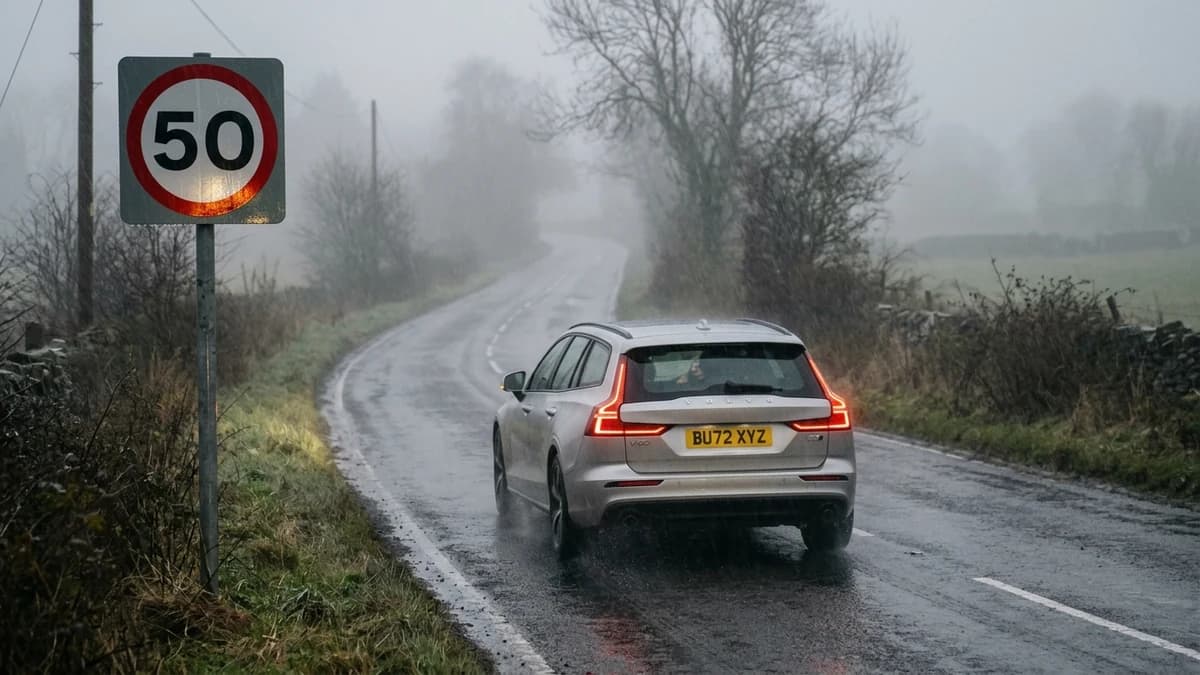
Night Driving Practice: How to Complete Your 10 Mandatory Night Hours Safely
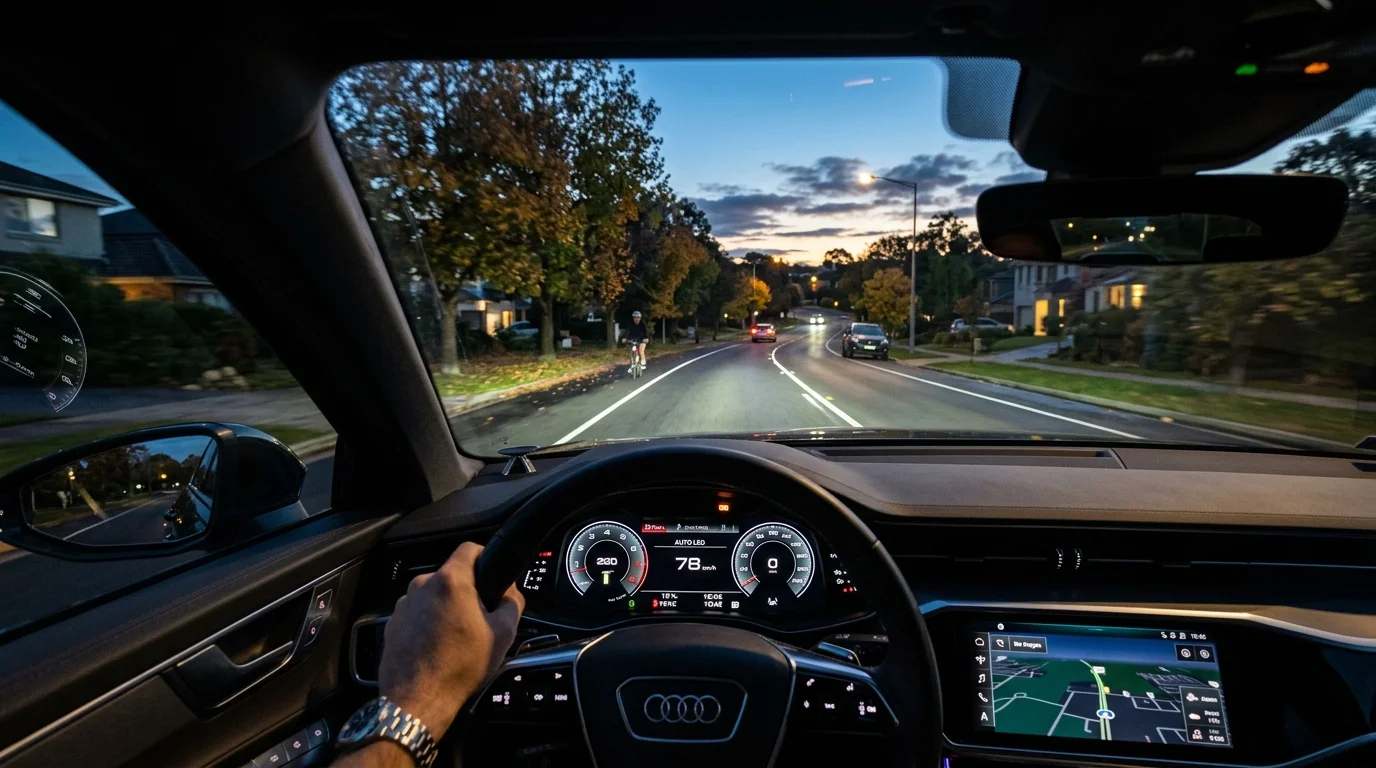
Night driving requires specialized vision management, glare recovery tactics, and strict adherence to high-beam dimming statutes.
Quick Answer & Key Takeaways
Under Graduated Driver Licensing (GDL) laws, minors must complete at least 10 hours of supervised night driving between 30 minutes after sunset and 30 minutes before sunrise. Essential rules: 1) Dim high-beam headlights to low beams within 500 feet of an oncoming vehicle or within 300 feet when following another car. 2) Never look directly into incoming headlights; look down toward the right-side white edge line (fog line) to maintain lane position. 3) Never 'overdrive your headlights'—adjust your speed so your total stopping distance remains within the reach of your headlights.
- High-Beam Dimming: State law mandates dimming high beams within 500 feet of oncoming cars and 300 feet when following.
- Combating Glare: Focus your eyes on the right edge of your lane (the white fog line) to avoid being temporarily blinded.
- Overdriving Headlights: Low beams illuminate 160–250 feet; traveling above 45 mph at night on unlit roads exceeds your illuminated stopping distance.
- Mandatory Supervisor: A licensed adult age 25+ must sit in the front passenger seat for all 10 night practice hours.
Why Night Driving Is 3x More Dangerous for Novice Drivers
Although only 25% of total automotive travel occurs after dark, over 50% of fatal vehicle crashes happen at night, according to data from the Insurance Institute for Highway Safety (IIHS).
Darkness severely degrades the visual faculties drivers rely upon most: depth perception, peripheral field of view, color recognition, and contrast sensitivity. For beginner teen drivers who are still building hazard anticipation instincts, darkness makes recognizing unlit pedestrians at unmarked crosswalks or stalled vehicles far more difficult.
That is why state DMVs mandate at least 10 certified night driving practice hours before taking the road test.
High-Beam vs. Low-Beam Laws: The 500-Foot & 300-Foot Rules
Mastering your vehicle's lighting controls is legally mandated under California Vehicle Code § 24400 and uniform state codes:
- When Must Headlights Be Turned On? 30 minutes after sunset until 30 minutes before sunrise, and whenever atmospheric conditions (rain, fog, smoke, snow) reduce visibility below 1,000 feet, or whenever windshield wipers are in continuous use.
- The 500-Foot Oncoming Rule: You must dim high-beam headlights to low beams within 500 feet of an oncoming vehicle approaching from the opposite direction.
- The 300-Foot Following Rule: You must dim high beams to low beams within 300 feet when following behind another vehicle to prevent blinding the driver ahead through their rearview mirror.
How to Manage Blinding Glare: The "White Fog Line" Technique
When an oncoming vehicle approaches with blinding high beams or misaligned LED headlights, human eyes experience temporary flash-blindness that can take 3 to 5 full seconds to recover.
To protect your night vision:
- Do NOT Stare into the Approaching Light: Resist the natural urge to look directly at the oncoming headlights.
- Look Down and to the Right: Direct your focal gaze toward the solid white line on the right shoulder of the road (the "fog line").
- Use Peripheral Vision to Track Lane Position: Keep the oncoming car in your peripheral vision while tracking the edge line to ensure your car stays centered without drifting.
- Flip the Rearview Mirror Tab: Adjust your rearview center mirror to the "Night / Dim" angle (or activate auto-dimming) to eliminate blinding reflections from vehicles trailing under unsafe following distances.
Overdriving Your Headlights: The Stopping Distance Math
"Overdriving your headlights" means driving at a speed where your vehicle's total stopping distance is greater than the distance illuminated by your headlights.
Standard automotive low beams illuminate approximately 160 to 250 feet ahead.
- At 40 MPH: Total stopping distance (perception + reaction + braking) is approximately 150 feet. You can stop safely within low-beam reach.
- At 60 MPH: Total stopping distance expands to 270–300 feet. If a deer, pedestrian, or fallen cargo appears at the edge of your low-beam throw, you will crash into it before your brakes can bring you to a stop.
Under The Basic Speed Law, driving faster than your headlight visibility distance is an enforceable speeding violation even if you are under the posted limit.
A Step-by-Step Curriculum for Your 10 Mandatory Night Hours
Structure your 10 night hours progressively with your supervising adult:
- Hours 1–3: Dusk & Quiet Suburbs: Drive during twilight transition (sunset). Practice parking lot maneuvering, low-beam switching, and scanning for dark-clothed pedestrians.
- Hours 4–6: Multi-Lane City Arterials: Practice judging gap distance at night when making center-lane left turns and identifying traffic signals amidst cluttered neon city signage.
- Hours 7–10: High-Speed Freeways & Rural Roads: Practice high-beam usage on unlit two-lane country roads and night freeway merging at full traffic speeds.
Essential Night Pre-Drive Inspection: Mirrors, Glass & Headlights
Before every night drive, perform three safety checks:
- Clean the Inside Windshield: A hazy interior film on windshield glass scatters incoming light, creating severe blinding glare at night.
- Verify Headlight Covers Are Clear: Yellowed or hazy polycarbonate headlight lenses reduce night illumination output by up to 80%.
- Dim Dashboard Display Lighting: Bright instrument cluster screens constrict your pupils and ruin your night vision; dial down dashboard illumination.
Interactive Knowledge Check
Question: Under state vehicle codes, within how many feet of an oncoming vehicle must you dim your high-beam headlights to low beams?
Authoritative Sources & Regulatory References
Content and statutory guidelines in this guide are verified against official state vehicle codes, federal transportation standards, and authoritative regulatory documentation:
- California LegislatureCalifornia Vehicle Code § 24400: Headlamp Requirements & Dimming(State of California Vehicle Code)
- IIHSNighttime Driving and Teen Driver Crash Risk Analysis(Insurance Institute for Highway Safety)
- NHTSAHuman Factors: Glare Recovery Time and Visual Acuity in Darkness(National Highway Traffic Safety Administration)
89% of people found this article helpful.
Click a star to add your vote
278 votes • average 4.49 out of 5
Official 2026 DMV Practice Tests by State
Select your state to practice real exam questions based on the latest 2026 driver handbook.
Ready to Pass the DMV Test on Your First Try?
Practice real 2026 DMV questions with instant answer explanations, simulated timers, and pass-guarantee study guides.
Start Free Practice TestRecommended Driver Guides

How to Log Your 50 Supervised Driving Hours (With Rules & Night Hours Breakdown)
Following Distance Rules: The 3-Second Rule vs. The 4-Second Weather Rule