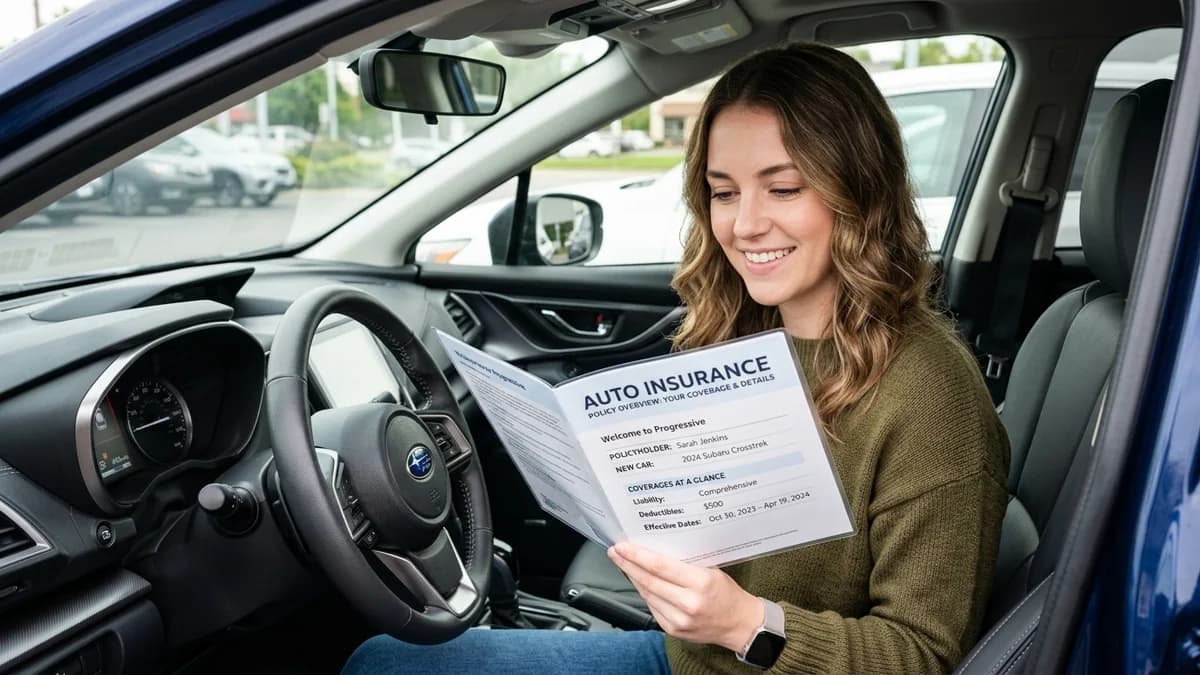
How to File an Official Accident Report: SR-1 Form & Reporting Deadlines
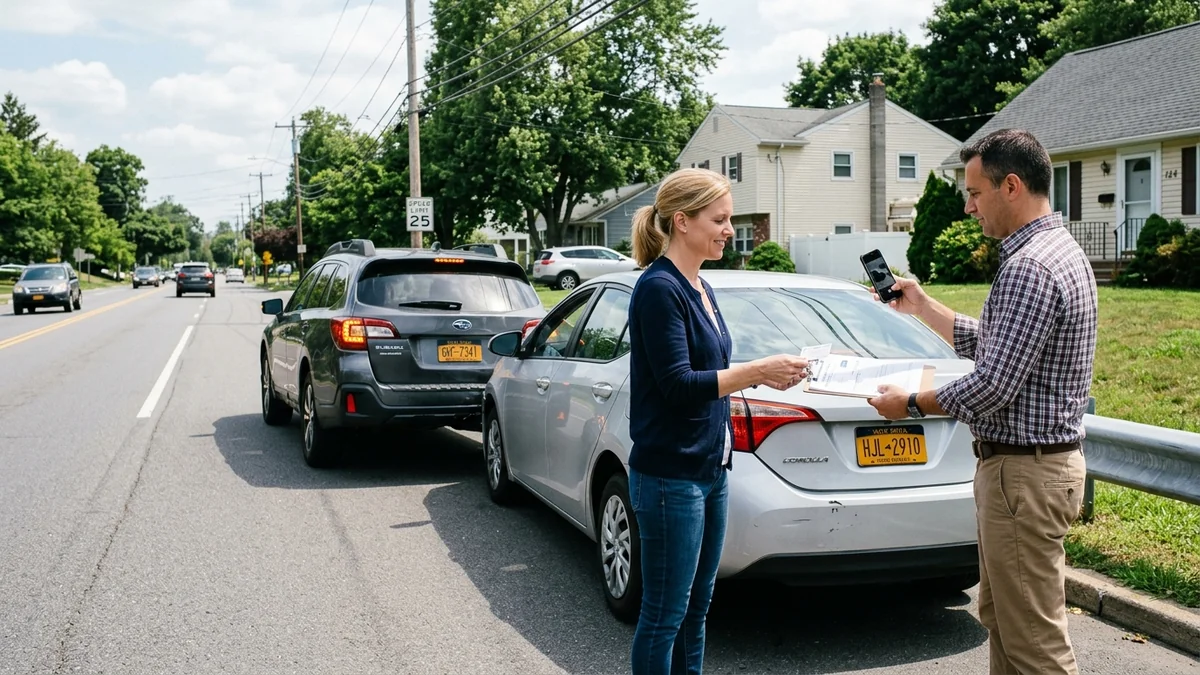
State law mandates that every driver involved in an accident causing injury or property damage exceeding $1,000 must independently file an SR-1 form within 10 days.
Quick Answer & Key Takeaways
Under California Vehicle Code § 16000 and nationwide Financial Responsibility laws, you MUST independently submit an official DMV Traffic Accident Report (Form SR-1) within 10 DAYS of a collision if: 1) Any person was injured (no matter how minor), 2) Any person died, OR 3) Property damage to ANY vehicle or property exceeded $1,000. Filing an insurance claim or having a police officer take a report on scene does NOT satisfy this requirement; the driver must personally submit the SR-1 form. Failing to file within 10 days results in mandatory suspension of your driver's license.
- The $1,000 Damage Threshold: A minor dent or cracked plastic bumper on a modern car easily exceeds $1,000 in repair bills.
- 10-Day Strict Deadline: Form SR-1 must reach the DMV within 10 calendar days of the accident date.
- Police Reports Do NOT Replace SR-1: Police officers file their report with law enforcement, NOT the DMV driver safety division.
- Mandatory License Suspension: Failing to file SR-1 leads to automatic driver's license suspension under CVC § 16004, regardless of who caused the accident.
What Is an SR-1 Form? The Mandatory State Reporting Law
Following a motor vehicle collision, drivers know to exchange insurance information and contact their insurance companies following our post-accident checklist.
However, thousands of drivers lose their driver's license every year because they overlook a critical legal duty: filing the state DMV Report of Traffic Accident (Form SR-1).
Under California Vehicle Code § 16000, state DMVs track accidents to verify that all involved motorists complied with mandatory Financial Responsibility laws.
The 3 Legal Triggers: $1,000 Property Damage, Injury, or Fatality
You are legally required to file Form SR-1 if the accident involves ANY of the following three criteria:
- Property Damage Exceeding $1,000: Damage to any vehicle (including your own) or property (guardrails, fences, poles). With modern sensor-packed LED headlights costing $1,500 alone, virtually any non-cosmetic scrape exceeds $1,000.
- Any Bodily Injury: Any injury sustained by any driver, passenger, or pedestrian—even minor soreness, bruises, or neck strains.
- Any Fatality: The death of any individual involved in the crash.
The 10-Day Hard Deadline: Mandatory Driver License Suspension
The SR-1 form must be submitted within 10 calendar days of the accident date.
Under CVC § 16004, if you fail to submit an SR-1 within 10 days, the DMV will automatically suspend your driver's license.
This suspension applies regardless of fault: even if you were legally stopped at a red light and rear-ended by an uninsured drunk driver, you are still legally mandated to file Form SR-1.
The Police Report Fallacy: Why Officers Do NOT File Your SR-1
The #1 reason drivers face unexpected license suspensions is the misconception that a police officer taking a collision report at the scene handles DMV filings:
A Police Report does NOT satisfy your legal duty to file Form SR-1 with the DMV!
Police officers file their Traffic Collision Investigation Report with their local police department or highway patrol dispatch for criminal/traffic recordkeeping. They do not submit documents to the DMV Financial Responsibility division on behalf of private drivers.
Step-by-Step Guide to Filling Out the SR-1 Form
Form SR-1 can be filed online via your state DMV website or mailed as a physical document:
- Section 1 (Accident Details): Exact date, time, city, and cross-streets or highway mile-marker.
- Section 2 (Your Information): Driver's license number, full name, address, and vehicle VIN / license plate.
- Section 3 (Your Auto Insurance Proof): Insurance company legal name (e.g. GEICO, State Farm), policy number, and policyholder name under your auto insurance coverage.
- Section 4 (Other Involved Parties): Names, addresses, license plates, and insurance information of all other drivers involved.
- Section 5 (Damage & Injuries): An itemized description of vehicle damage and medical injuries.
Post-Submission: DMV Financial Responsibility Verification
Once submitted, the DMV contacts your insurance company to confirm that your policy was active at the exact moment of the crash. Once confirmed, the file is closed with your driving record fully protected.
Interactive Knowledge Check
Question: If you are involved in a traffic collision causing $2,500 in vehicle damage, how many days do you have to file Form SR-1 with the DMV, and does a police report filed at the scene exempt you?
Authoritative Sources & Regulatory References
Content and statutory guidelines in this guide are verified against official state vehicle codes, federal transportation standards, and authoritative regulatory documentation:
- California LegislatureCalifornia Vehicle Code § 16000: Report of Accident Required(State of California Vehicle Code)
- California DMVReporting an Accident to the DMV (Form SR-1)(State of California Department of Motor Vehicles)
- AAMVAMandatory Motor Vehicle Accident Reporting Thresholds by State(American Association of Motor Vehicle Administrators)
88% of people found this article helpful.
Click a star to add your vote
280 votes • average 4.43 out of 5
Official 2026 DMV Practice Tests by State
Select your state to practice real exam questions based on the latest 2026 driver handbook.
Ready to Pass the DMV Test on Your First Try?
Practice real 2026 DMV questions with instant answer explanations, simulated timers, and pass-guarantee study guides.
Start Free Practice TestRecommended Driver Guides
What to Do Immediately After a Car Accident: The 10-Step Crash Scene Checklist
Minor Parking Lot Scrapes: How to Leave a Note Without Breaking the Law