Ohio BMV Permit Test: Critical Point System & Right-of-Way Laws

Mastering statutory driver licensing regulations and highway laws ensures first-time test success.
Quick Answer & Key Takeaways
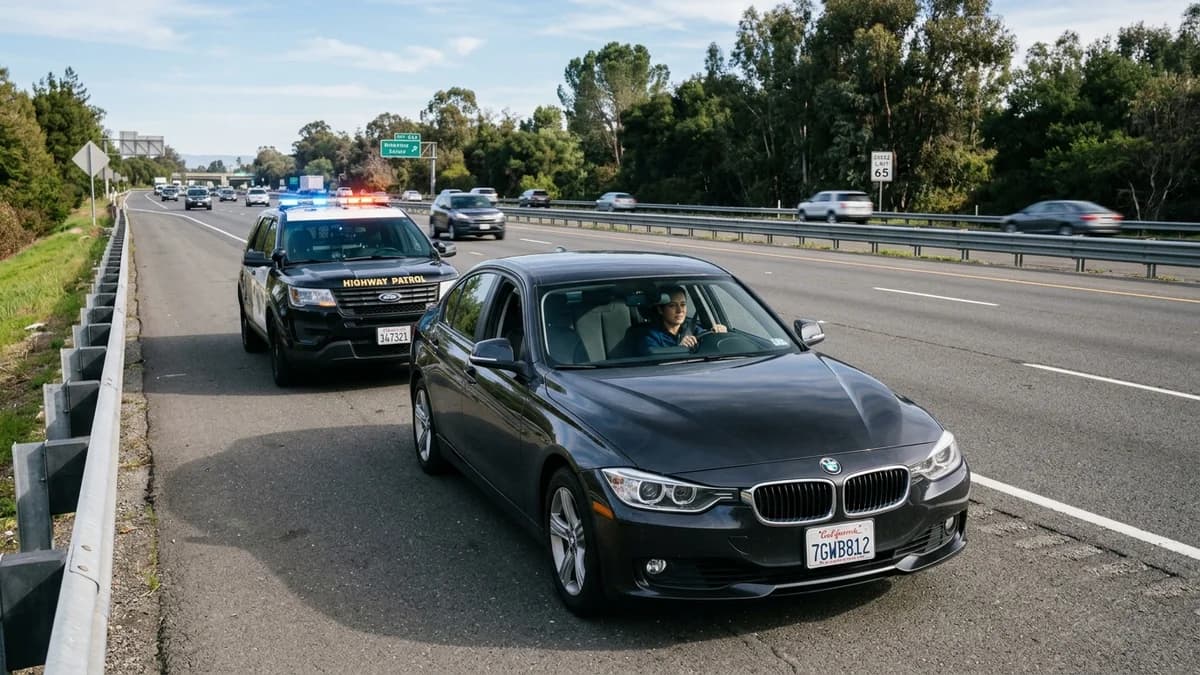
High-yield statutory concepts tested on the Ohio BMV knowledge exam: 1) SPEED BENCHMARKS: 15 MPH in alleys; 20 MPH in school zones during recess/opening/closing; 25 MPH in residential and municipal business districts; 35 MPH on state routes within municipal limits; 55 MPH on highways. 2) ZERO TOLERANCE OVI: 0.02% BAC for drivers under 21 (0.08% for adults). 3) FUNERAL PROCESSIONS: Motorists must yield right-of-way to funeral convoys led by escorts. 4) MOVE OVER LAW: Shift lanes or reduce speed for all stationary emergency/utility vehicles with flashing lights.
- 20 MPH School Zone: Enforced during school recess, arrival, and dismissal hours.
- 15 MPH Alley Speed Limit: Prima facie limit for municipal alleys.
- 0.02% Underage OVI Threshold: Strict Zero Tolerance for minors.
- Right-of-Way at Uncontrolled Intersections: Driver on the right has precedence.
Passing the Ohio BMV temps test requires knowing specific, non-obvious laws and numbers. Here are the 21 critical concepts you must master:
Ohio underage OVI limit is 0.02%
While the limit for drivers 21 and older is 0.08%, Ohio has zero tolerance for underage drinking. If you are under 21, driving with a BAC of 0.02% or higher is illegal.
- Statutory Compliance: Obeying exact vehicle code thresholds rather than informal habits ensures zero penalty points on exam day.
- Defensive Safety Standard: Maintaining safe following distances and active visual scanning eliminates collision risks under Basic Speed Law principles.
- Hazard Recognition: Anticipating changing traffic patterns and road conditions allows proactive rather than reactive braking.
You must be at least 15 years and 6 months old to apply for your Temporary Instruction Permit Identification Card (TIPIC) in Ohio.
Minimum age to get a TIPIC (permit)
The test consists of 20 regulations questions and 20 traffic signs questions. You need at least 15 correct answers in each part to pass (75% overall).
- Statutory Compliance: Obeying exact vehicle code thresholds rather than informal habits ensures zero penalty points on exam day.
- Defensive Safety Standard: Maintaining safe following distances and active visual scanning eliminates collision risks under Basic Speed Law principles.
- Hazard Recognition: Anticipating changing traffic patterns and road conditions allows proactive rather than reactive braking.
If you fail the temps test, you must wait at least 24 hours before you are allowed to retake it.
The 40-question written test structure
Licensed drivers who are 16 years old cannot drive between midnight and 6 a.m. unless accompanied by a parent/guardian, or for work/school.
- Statutory Compliance: Obeying exact vehicle code thresholds rather than informal habits ensures zero penalty points on exam day.
- Defensive Safety Standard: Maintaining safe following distances and active visual scanning eliminates collision risks under Basic Speed Law principles.
- Hazard Recognition: Anticipating changing traffic patterns and road conditions allows proactive rather than reactive braking.
For 17-year-old drivers, the curfew is slightly later, from 1 a.m. to 5 a.m., with the same exceptions.
Wait period after failing
During the first 12 months of holding a probationary license, drivers under 18 may only carry one passenger who is not a family member, unless a parent/guardian is in the front seat.
- Statutory Compliance: Obeying exact vehicle code thresholds rather than informal habits ensures zero penalty points on exam day.
- Defensive Safety Standard: Maintaining safe following distances and active visual scanning eliminates collision risks under Basic Speed Law principles.
- Hazard Recognition: Anticipating changing traffic patterns and road conditions allows proactive rather than reactive braking.
Teens under 18 must log at least 50 hours of practice driving, which must include at least 10 hours of night driving, certified by a parent or guardian.
Curfew rules for 16-year-old drivers
Teens under 18 must complete an approved driver education course consisting of 24 hours of classroom instruction and 8 hours of behind-the-wheel instruction.
- Statutory Compliance: Obeying exact vehicle code thresholds rather than informal habits ensures zero penalty points on exam day.
- Defensive Safety Standard: Maintaining safe following distances and active visual scanning eliminates collision risks under Basic Speed Law principles.
- Hazard Recognition: Anticipating changing traffic patterns and road conditions allows proactive rather than reactive braking.
The speed limit in school zones in Ohio is 20 mph during recess and when children are arriving or leaving school.
Interactive Knowledge Check
Question: What is the statutory speed limit in an Ohio school zone during school recess or while children are arriving or leaving during opening or closing hours?
Authoritative Sources & Regulatory References
Content and statutory guidelines in this guide are verified against official state vehicle codes, federal transportation standards, and authoritative regulatory documentation:
- AAMVAOfficial State Driver Handbooks & Licensing Examination Criteria (2026)(American Association of Motor Vehicle Administrators)
- NHTSANational Highway Traffic Safety Administration (NHTSA) Uniform Guidelines for State Highway Safety(National Highway Traffic Safety Administration)
- FHWAFederal Highway Administration (FHWA) Manual on Uniform Traffic Control Devices (MUTCD)(Federal Highway Administration)
92% of people found this article helpful.
Click a star to add your vote
194 votes • average 4.63 out of 5
Official 2026 DMV Practice Tests by State
Select your state to practice real exam questions based on the latest 2026 driver handbook.
Ready to Pass the DMV Test on Your First Try?
Practice real 2026 DMV questions with instant answer explanations, simulated timers, and pass-guarantee study guides.
Start Free Practice Test