Open Container Laws: Where Can Alcohol Be Legally Stored in a Car?
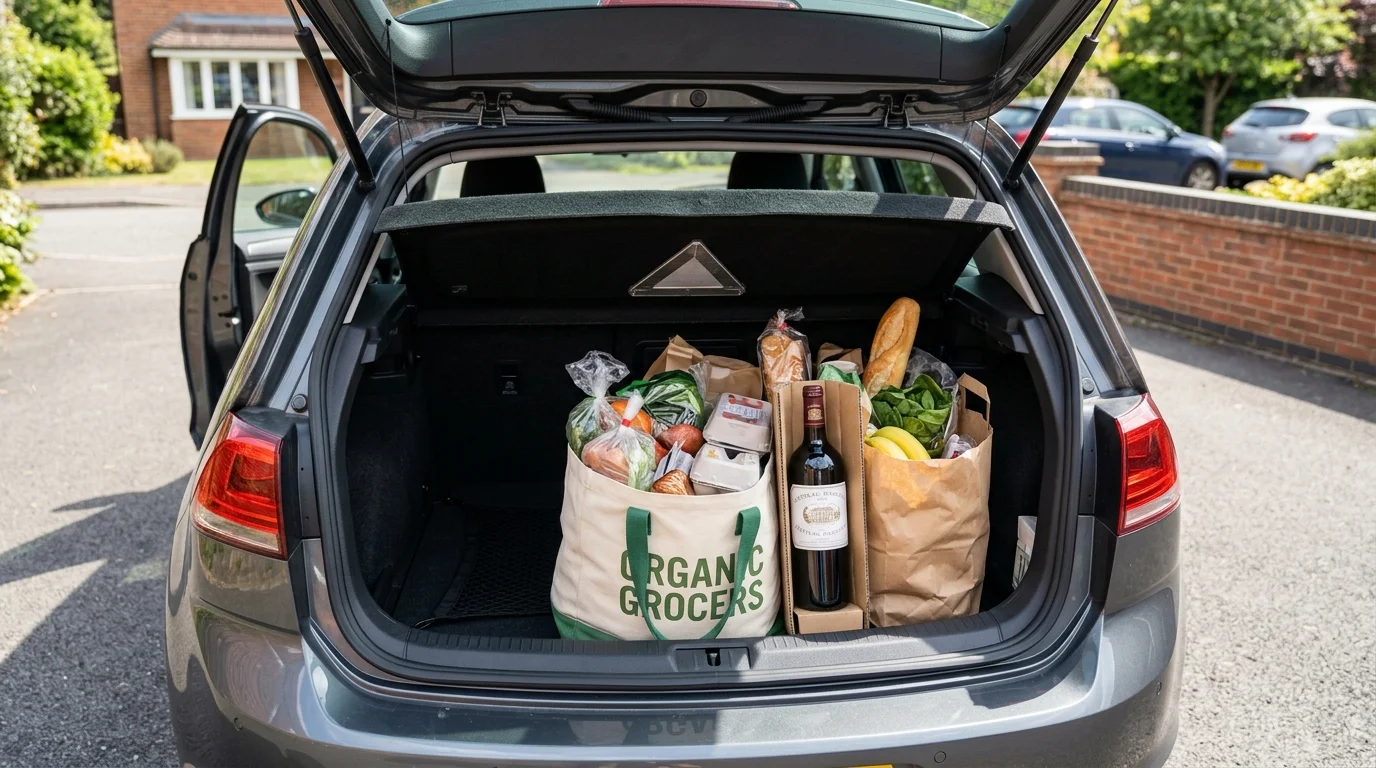
Open alcoholic containers must be secured in the vehicle trunk or an area inaccessible to passengers.
Quick Answer & Key Takeaways
Under federal TEA-21 standards (23 U.S.C. § 154) and state vehicle codes (e.g., California CVC § 23225, Texas Penal Code § 49.031), it is illegal to possess an open alcoholic beverage container anywhere in the passenger compartment of a motor vehicle on a public highway. 1) WHAT COUNTS AS OPEN: Any bottle, can, or receptacle whose factory seal is broken, cap is twisted, or cork has been pulled—even if recorked or half-full. 2) LEGAL STORAGE: Open containers MUST be stored in the vehicle trunk. In SUVs, hatchbacks, or pickup trucks with no trunk, the open bottle must be locked in a container or placed in the rearmost cargo area outside the reach of the driver and all seated passengers. Glove compartments and center consoles are strictly ILLEGAL.
- Trunk Is Safe Harbor: Storing unsealed or opened bottles inside the vehicle trunk is 100% legal in all 50 states.
- Gloveboxes Are Illegal: Storing opened bottles in the glove compartment or center console is illegal even if locked.
- Hatchback Rule: If your vehicle has no trunk (SUV/hatchback), place opened bottles behind the rearmost upright seat row.
- Rideshare Warning: Passengers in standard Uber/Lyft vehicles CANNOT drink alcohol; open container exemptions apply only to commercial limousines, chartered buses, and motorhomes.
The Federal TEA-21 Mandate (23 U.S.C. § 154) Open Container Standard
In 1998, the US Congress enacted the Transportation Equity Act for the 21st Century ( 23 U.S.C. § 154), establishing strict federal guidelines to reduce drunk driving fatalities.
Federal law mandates that states enact laws prohibiting the possession of any open alcoholic beverage container and the consumption of alcohol in the passenger area of any motor vehicle on public roads.
Today, 40 states and Washington D.C. fully comply with TEA-21 standards, imposing criminal and civil penalties on both drivers and passengers.
What Constitutes an "Open" Container? Broken Seals & Recorked Wine
State vehicle codes (such as California Vehicle Code § 23222) define an open container with extreme precision:
- Any bottle, can, flask, or glass container that has been opened.
- Any container with a broken manufacturer foil or plastic seal.
- A recorked wine bottle from a restaurant, even if replaced firmly into the neck.
- A cup or tumbler containing mixed alcohol, beer, or hard seltzer.
Even if the container is currently capped or empty, if the factory seal has been breached, police officers classify it as an open container.
Legal Storage Zones: Trunks vs. Gloveboxes vs. SUVs / Hatchbacks
To transport partially consumed alcohol legally, you must follow strict spatial rules:
- Sedans with Dedicated Trunks (Safe Harbor): The opened bottle must be placed inside the vehicle's trunk. Once in the trunk, it is legally inaccessible to vehicle occupants.
- SUVs, Station Wagons & Hatchbacks: Because these vehicles lack a separate trunk partition, the open container must be placed in the rearmost cargo space behind the last upright passenger seat, or inside a locked storage case.
- Pickup Trucks: Open containers must be placed in the locked exterior truck bed or locked toolbox.
- Strictly Prohibited Areas: Glove compartments and center consoles are legally defined as part of the passenger area. Placing an open bottle in a glovebox—even a locked one—is an open container violation.
Penalties: Fines, Misdemeanor Charges & Underage Zero Tolerance
An open container violation triggers immediate legal and financial consequences:
- Base Fines: $100 to $350 in fines, plus state penalty assessments.
- DMV Points: In states like Texas and Florida, an open container conviction adds points to your driving record, driving up auto insurance premiums for 3 years.
- Underage Drivers (Under 21): If a driver under 21 is caught with any alcohol in the vehicle (open or sealed), under Zero Tolerance laws, their driver's license is automatically suspended for 1 full year, and the vehicle may be impounded for up to 30 days.
Legal vs. Illegal In-Vehicle Alcohol Storage Comparison Table
| Vehicle Location | Factory Sealed Alcohol | Opened / Recorked Alcohol | Legal Status |
|---|---|---|---|
| Vehicle Trunk (Sedan) | Legal | Legal | 100% Permitted in All States |
| Rearmost Cargo Area (SUV/Hatchback) | Legal | Legal (Behind last seat) | Permitted (Inaccessible to passengers) |
| Glove Compartment / Center Console | Legal | Strictly Illegal | Illegal Even If Locked |
| Front Passenger Seat / Floorboard | Legal | Strictly Illegal | Immediate Misdemeanor Ticket |
Interactive Knowledge Check
Question: If you are driving a hatchback or SUV with no separate trunk compartment, where must an opened bottle of wine be stored to comply with open container laws?
Authoritative Sources & Regulatory References
Content and statutory guidelines in this guide are verified against official state vehicle codes, federal transportation standards, and authoritative regulatory documentation:
- US Congress / FHWA23 U.S. Code § 154: Federal Open Container Requirements (TEA-21 Standard)(Federal Highway Administration)
- California LegislatureCalifornia Vehicle Code § 23222 & § 23225: Storage of Opened Alcoholic Beverages in Vehicles(California Vehicle Code)
- NHTSAOpen Container Laws and Highway Safety Countermeasures(National Highway Traffic Safety Administration)
95% of people found this article helpful.
Click a star to add your vote
40 votes • average 4.74 out of 5
Official 2026 DMV Practice Tests by State
Select your state to practice real exam questions based on the latest 2026 driver handbook.
Ready to Pass the DMV Test on Your First Try?
Practice real 2026 DMV questions with instant answer explanations, simulated timers, and pass-guarantee study guides.
Start Free Practice Test