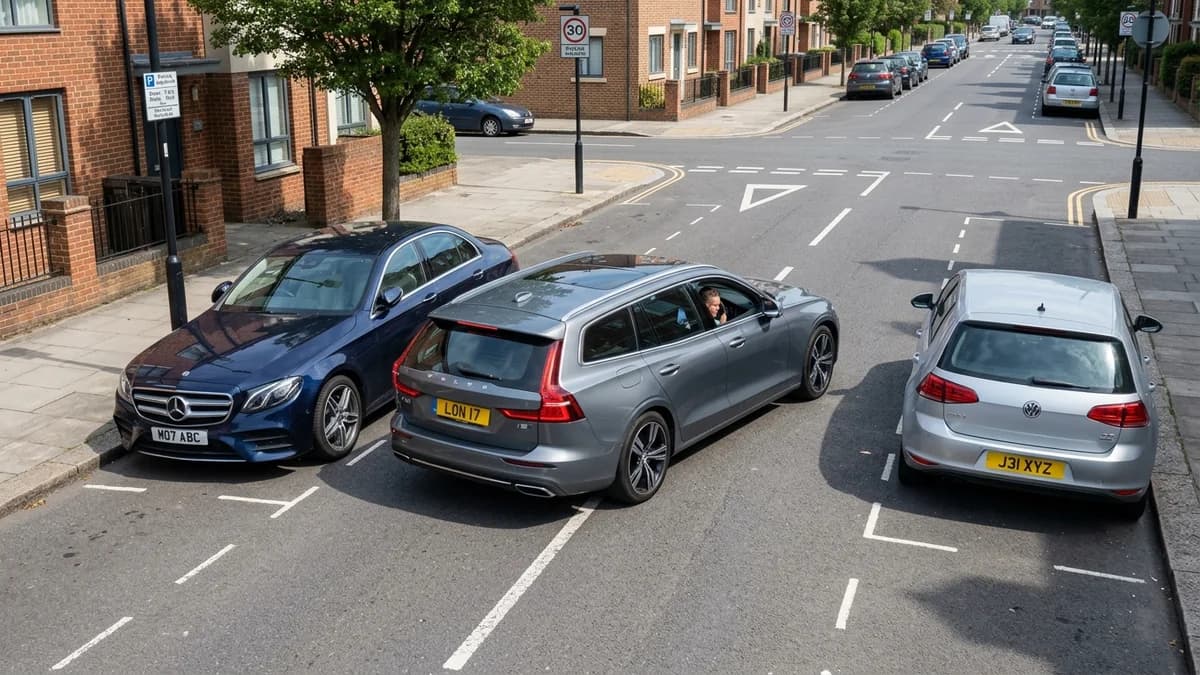
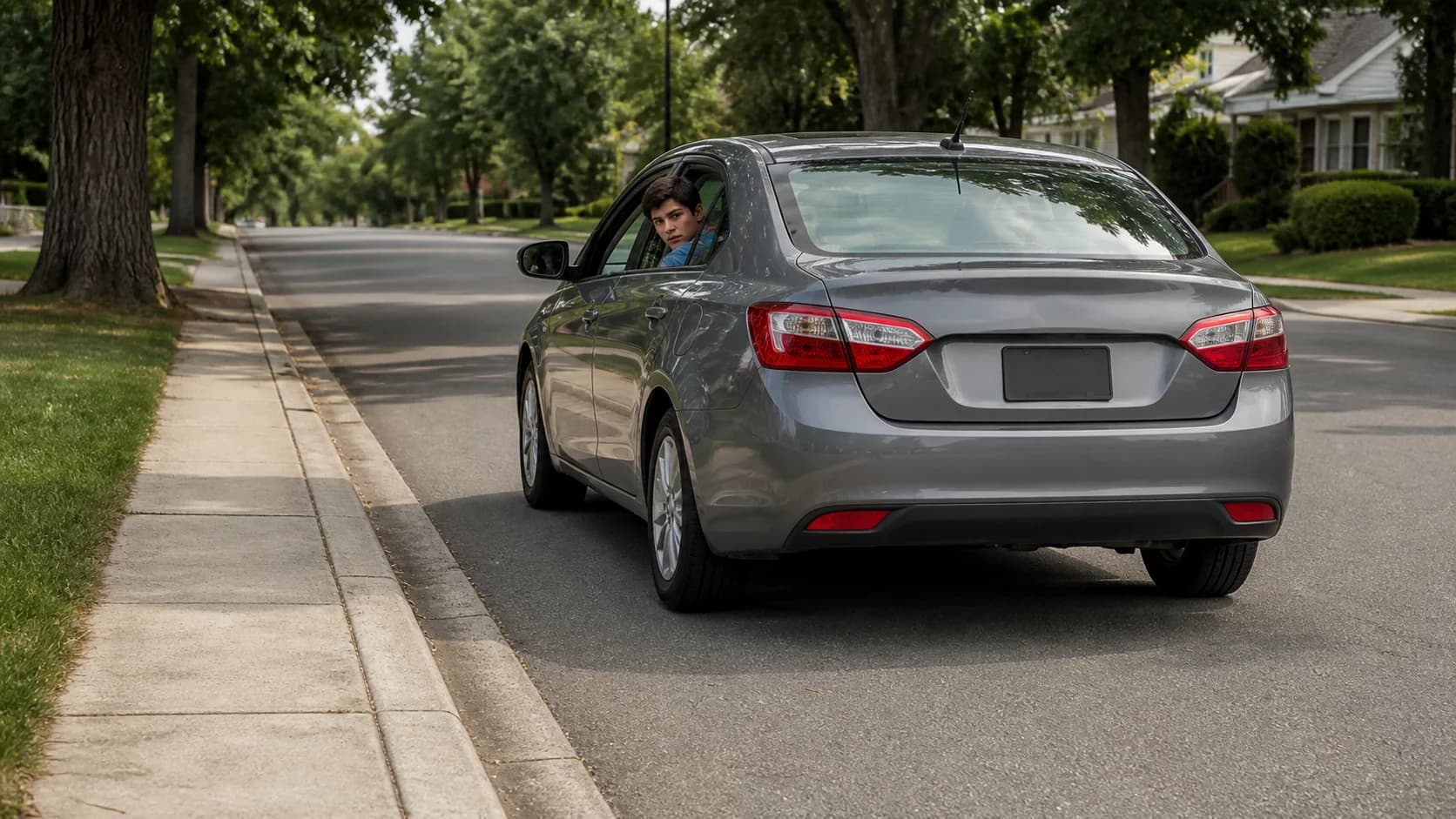
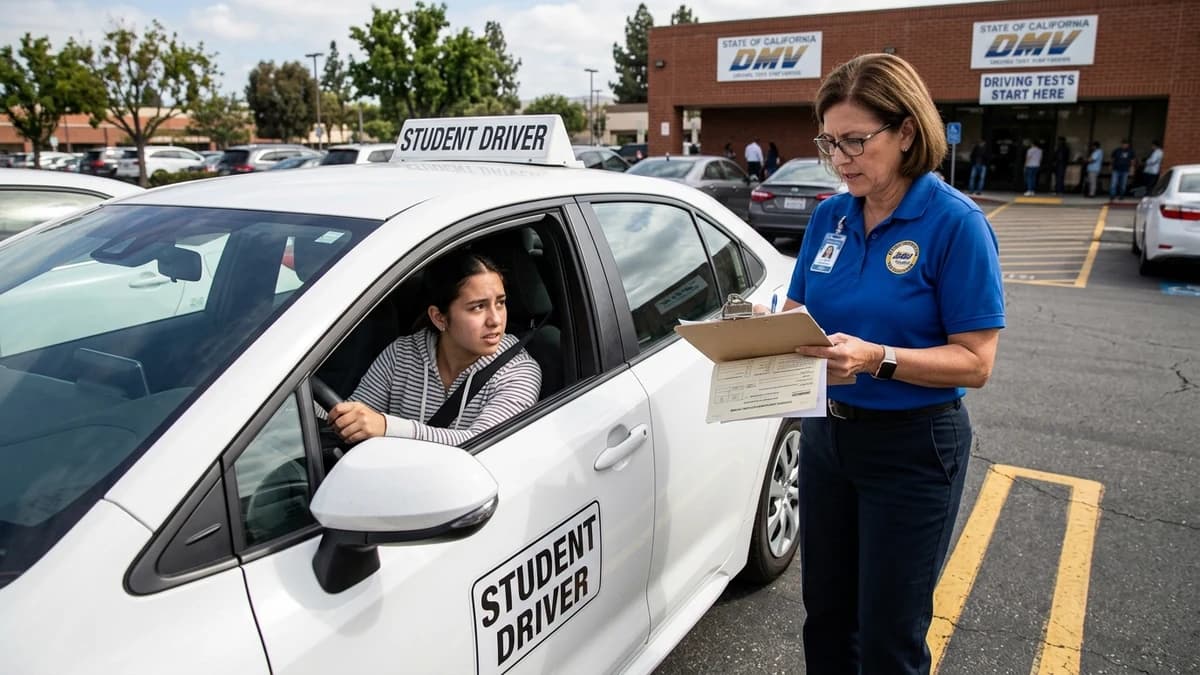
Perpendicular Parking Guide: Pull-In & Back-In Steps
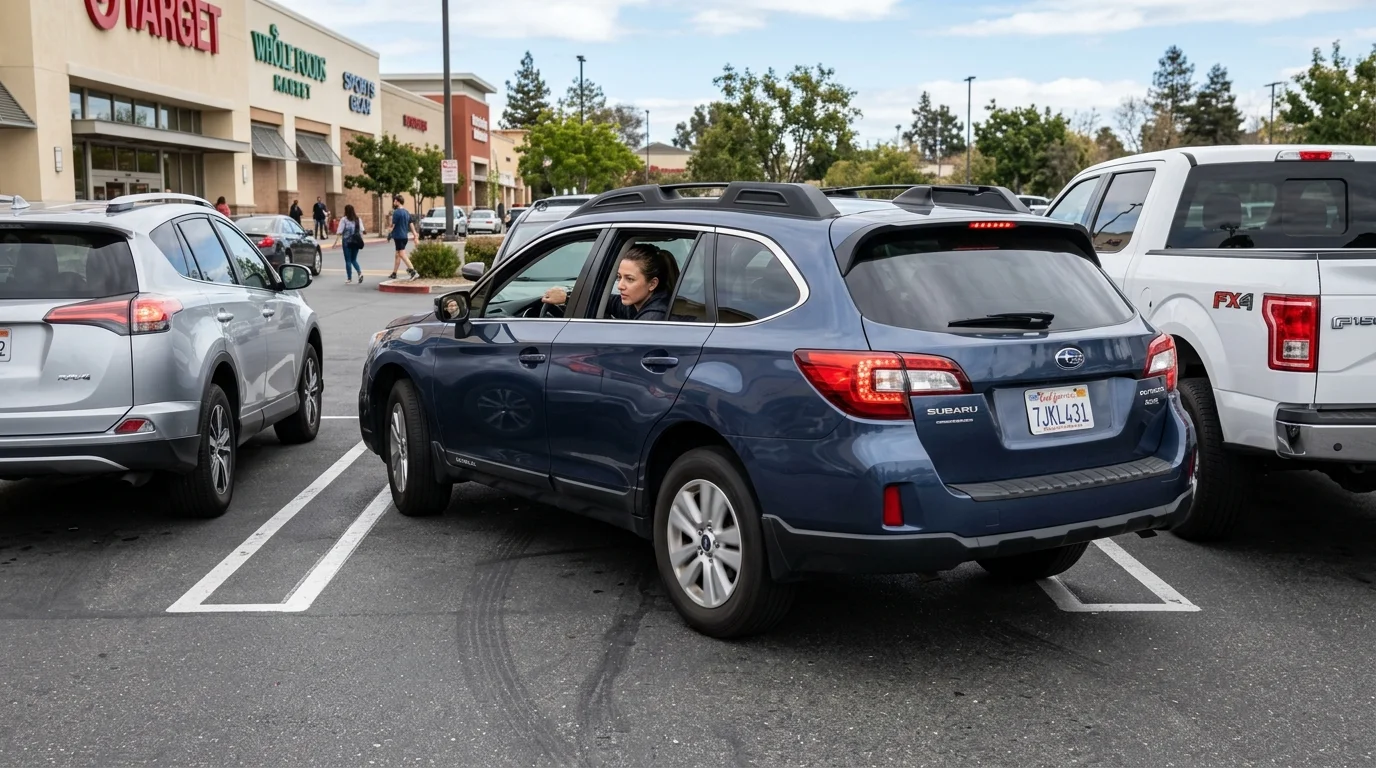
Using reference points to back into 90-degree parking spaces creates safer sightlines when exiting.
Quick Answer & Key Takeaways
Perpendicular 90-degree parking is the standard stall design in American shopping centers and garages. 1) FORWARD PULL-IN: Position your vehicle 5 to 6 feet away from parked cars on your target side. When your front side mirror aligns with the first painted line of the target stall, turn the steering wheel sharply (full lock) into the space at 2–3 MPH. Straighten the wheel when your car is centered between the lines. 2) REVERSE BACK-IN (RECOMMENDED): Drive 2 stalls past your target spot, angle the front of your car 45 degrees outward away from the stall, shift into Reverse, and guide your rear bumper into the stall using side mirrors. Backing in eliminates dangerous blind spots when leaving.
- 5-to-6 Foot Aisle Buffer: Pulling in too close to parked cars clips their bumper with your rear door panel.
- Mirror Alignment Reference: Turn the wheel the instant your side mirror passes the near painted stripe.
- Reverse Parking Safety: Backing in allows you to pull forward with 100% forward vision when exiting into parking aisle traffic.
- Equal Door Clearance: Center your vehicle equally between the lines so both you and adjacent drivers can open doors without door dings.
Perpendicular 90-Degree Parking Geometry: Swing Radius & Aisle Positioning
Perpendicular parking spaces require entering a narrow 8.5-to-9-foot-wide stall at a sharp 90-degree angle.
Because a vehicle's rear wheels do not steer, the rear axle follows a tighter turning radius (known as rear-wheel off-tracking) than the front wheels. If you turn too early, your rear quarter panel will scrape the car parked next to the space.
Mastering precise visual reference points ensures effortless entry on the first try without stopping to readjust.
Forward 90° Parking: The Side-Mirror Alignment Method
Follow this step-by-step formula for forward parking:
- Signal & Create Lateral Space: Turn on your signal and position your car 5 to 6 feet away from the row of parked cars (swing wide in the aisle).
- The Mirror Reference Point: Drive forward slowly (2–3 MPH) until your vehicle's front side mirror aligns perfectly with the first painted line (the near boundary) of the empty stall.
- Full Lock Turn: Crank the steering wheel smoothly to full lock toward the stall while maintaining a slow crawl.
- Straighten & Center: As soon as the vehicle body becomes parallel to the painted side stripes, straighten the steering wheel (1.5 turns back) and glide forward until your front bumper is aligned with the row.
Reverse 90° Parking: The 45-Degree Angle & Reference Method
According to NHTSA parking collision studies, over 70% of parking lot backing accidents occur when reversing OUT of a stall into blind cross-traffic. Backing INTO the stall eliminates this hazard completely:
- Signal your intent and drive past your target stall until your rear bumper is even with the second line of the adjacent space.
- Turn your steering wheel sharply outward (at a 45-degree angle away from the spot) to set up your approach vector.
- Shift into Reverse. Check both side mirrors and look over your right shoulder.
- Back smoothly into the stall, monitoring the painted lines in both side mirrors.
Centering in the Stall: Equal Door Clearance & Tire Alignment
Once parked, glance at both side mirrors:
- The vehicle should be centered equidistant between the two painted boundary lines.
- Ensure your front wheels are straightened completely to avoid tripping pedestrians walking between vehicles.
- Put the transmission in Park and set the parking brake.
Backing Out Safely: The "Creep-and-Crawl" Aisle Maneuver
If you parked forward and must reverse out into the aisle:
- Shift into Reverse and release the brake slightly to creep back 1 to 2 feet. This displays your white reverse backup lights to alert approaching drivers.
- Do NOT turn the steering wheel until your front bumper has cleared the rear bumper of adjacent parked cars (otherwise your front fender will scrape the adjacent vehicle).
- Turn the wheel toward the direction you want the rear of your car to travel.
Forward vs. Reverse Perpendicular Parking Comparison Table
| Method | Key Reference Trigger | Exit Safety | Blind Spot Risk |
|---|---|---|---|
| Forward Pull-In | Side mirror aligns with near stall line | High risk (Reversing into aisle blind) | Severe blind spot on exit |
| Reverse Back-In | 45° outward angle setup | Maximum safety (Drive forward out) | Zero blind spot on departure |
Interactive Knowledge Check
Question: When forward perpendicular parking into a 90-degree stall on your right, what visual reference point indicates the precise moment to turn the steering wheel sharply into the space?
Authoritative Sources & Regulatory References
Content and statutory guidelines in this guide are verified against official state vehicle codes, federal transportation standards, and authoritative regulatory documentation:
- NHTSAParking Lot Collision Statistics and Backing Crash Analysis (DOT HS 810 824)(National Highway Traffic Safety Administration)
- ITEOff-Street Parking Stall Dimensions and Turning Geometry Standards(Institute of Transportation Engineers)
- California DMVCalifornia DMV Driver Performance Evaluation: Parking Lot Maneuver Standards(California Department of Motor Vehicles)
84% of people found this article helpful.
Click a star to add your vote
74 votes • average 4.18 out of 5
Official 2026 DMV Practice Tests by State
Select your state to practice real exam questions based on the latest 2026 driver handbook.
Ready to Pass the DMV Test on Your First Try?
Practice real 2026 DMV questions with instant answer explanations, simulated timers, and pass-guarantee study guides.
Start Free Practice Test