The Pre-Drive Safety Inspection Checklist: What Examiners Check Before Starting
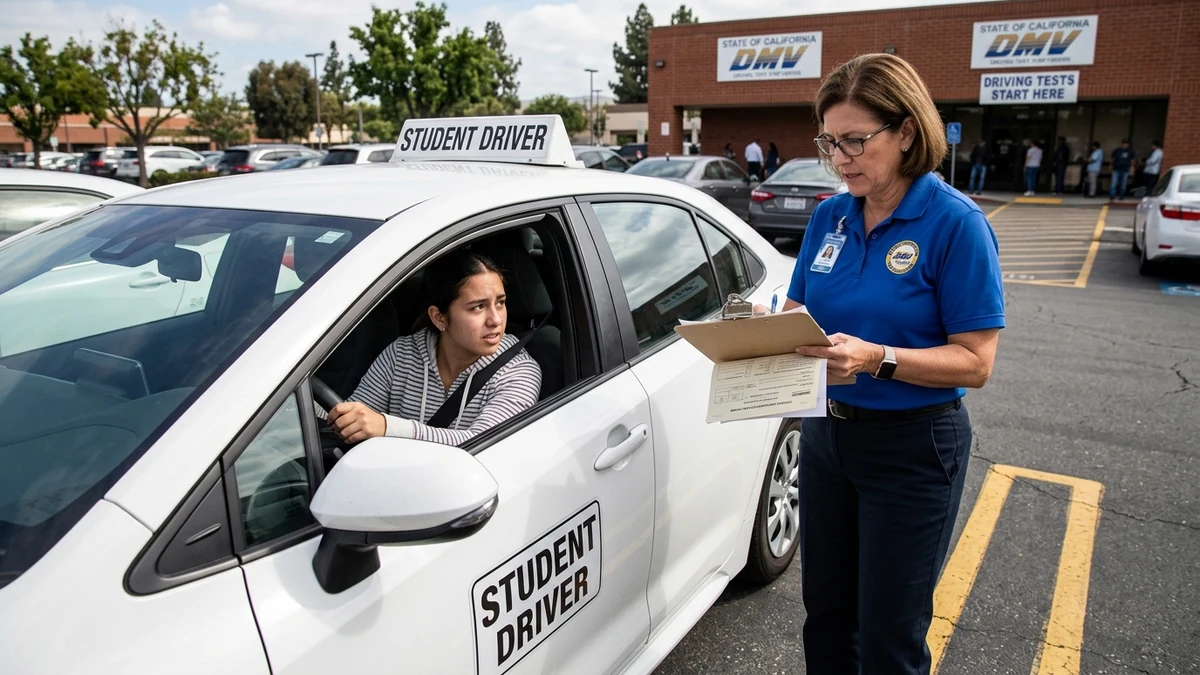
The pre-drive safety inspection ensures your vehicle is roadworthy and that you can operate basic safety controls without looking down.
Quick Answer & Key Takeaways
The pre-drive safety check consists of 4 parts: 1) Paperwork (Valid learner's permit, current vehicle registration card, and printed proof of auto insurance matching the vehicle). 2) Exterior equipment (Working front/rear turn signals, brake lights, functioning driver's window, horn, and adequate tire tread >2/32”). 3) Hand signals (Left turn = arm straight out, Right turn = arm bent upward 90°, Slow/Stop = arm pointed downward). 4) In-cabin controls (Locate defroster, emergency flashers, headlights, windshield wipers, and emergency parking brake).
- Unsafe vehicle = Test cancelled: If a brake light or turn signal is burned out, your test is rescheduled without refund.
- Cracked windshield rules: Any crack in the windshield extending across the driver’s direct line of sight fails inspection.
- Passenger door must open: The front passenger door must open smoothly from both the inside and outside.
- No dashboard warning lights: An active Check Engine, ABS, or Airbag warning light can disqualify your test vehicle in many states.
Why 15% of Road Tests Fail Before Leaving the Parking Lot
Every year, roughly 15% of driving test appointments across the United States are rejected before the ignition key is ever turned. The reason isn't bad driving—it is a failed pre-drive safety inspection.
DMV examiners are prohibited by state safety regulations from riding in a mechanically deficient vehicle or conducting an exam with a student who cannot operate mandatory safety controls. If your car has a burned-out brake bulb, expired registration, or a passenger window that won't roll down, you will be sent home without taking the test.
Understanding this 5-minute pre-drive checklist guarantees you pass through the inspection lane smoothly and begin your driving exam with confidence.
Phase 1: The 3 Mandatory Paperwork Documents
Before approaching your test vehicle, the examiner will verify your three mandatory documents at the counter or in the queue line. As outlined in our guide on what documents to bring to the DMV, make sure you have:
- Valid Instruction / Learner’s Permit: The unexpired original hard copy (not a phone screenshot or photocopy).
- Current Vehicle Registration Card: Must be active and match the license plate number on your vehicle.
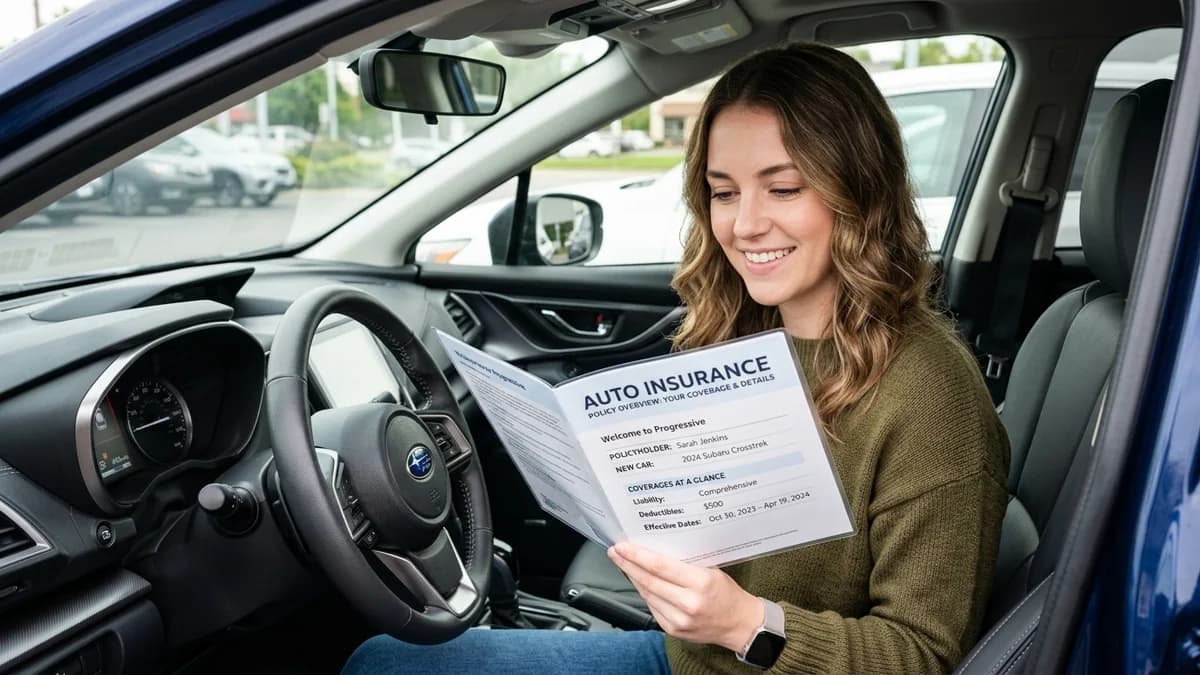
- Valid Proof of Auto Insurance: A printed insurance card or active policy document specifically naming the vehicle VIN. As explained in auto insurance 101, electronic proof on your phone is accepted in most states, but paper is recommended to avoid phone battery issues.
Phase 2: Exterior Vehicle Equipment Inspection
The examiner will stand outside your vehicle (first in front, then behind) and ask you to activate specific components:
- Left and Right Turn Signals: Front and rear blinkers must flash clearly without rapid hyper-flashing (which indicates a dying bulb).
- Brake Lights: The examiner will say "Step on your brake." Both left, right, and center high-mounted stop lamps (CHMSL) must illuminate brightly.
- Horn: Must be audible from at least 200 feet away.
- Driver’s Window: Must roll down and up completely smoothly (used for hand signals and examiner communication).
- Tire Condition: All four tires must have at least 2/32-inch tread depth with no exposed steel chords or sidewall bulges under tire blowout safety guidelines.
Phase 3: The 3 Mandatory Hand Signals You Must Demonstrate
Before getting into the car, the examiner will ask you to demonstrate the three universal manual arm signals used if your electrical turn indicators ever fail:
- Left Turn: Extend your left arm and hand straight out horizontally through the open driver's window.
- Right Turn: Extend your left arm out and bend your elbow upward at a 90-degree angle with your palm open facing forward.
- Slow Down or Stop: Extend your left arm out and bend your elbow downward at a 90-degree angle with your palm facing backward.
Phase 4: In-Cabin Controls & Instrument Demonstration
Once the examiner sits in the front passenger seat, they will ask you to point to or activate key interior controls without looking down at the dashboard:
- Emergency Parking Brake: Know where your handbrake lever, pedal, or electronic toggle is located and how to set/release it under hill parking safety rules.
- Windshield Defroster: Point to both the Front Defrost and Rear Defogger buttons.
- Windshield Wipers & Washer: Turn the wipers on to normal speed, intermittent, and squirt wiper fluid.
- Hazard Warning Flashers: Push the red triangle emergency flasher switch.
- Headlight Switch: Turn on low-beam headlights and toggle high beams.
Top 7 Vehicle Defects That Instantly Cancel Your Test
Inspect your vehicle the morning of your exam to ensure none of these automatic disqualifiers are present:
- Any Inoperative Brake Light or Turn Signal: 1 single burned out bulb will terminate your test.
- Passenger Door Handle Jammed: If the examiner cannot open the passenger door from both inside and outside, test is cancelled.
- Broken Driver’s Seatbelt: Seatbelt must latch cleanly and retract smoothly without fraying.
- Cracked Windshield Across Driver Line of Sight: Spider cracks obstructing visibility violate safety standards.
- Low Tire Pressure / Bald Tires: Visible low pressure or cords showing is an immediate rejection.
- Missing Front or Rear License Plate: Both plates must be securely mounted in two-plate states.
- Excessively Dark Front Window Tint: Illegal dark aftermarket tint on front driver or passenger windows prohibits examiner visibility.
Interactive Knowledge Check
Question: During the pre-drive vehicle inspection, how should you signal with your left arm to indicate that you are making a RIGHT turn?
Authoritative Sources & Regulatory References
Content and statutory guidelines in this guide are verified against official state vehicle codes, federal transportation standards, and authoritative regulatory documentation:
- California DMVPre-Drive Checklist and Vehicle Requirements (DL 647)(State of California Department of Motor Vehicles)
- NY DMVRoad Test Vehicle Requirements & Safety Inspection Guide(New York State Department of Motor Vehicles)
- NHTSATire Tread Depth & Safety Inspection Standards(National Highway Traffic Safety Administration)
86% of people found this article helpful.
Click a star to add your vote
157 votes • average 4.34 out of 5
Official 2026 DMV Practice Tests by State
Select your state to practice real exam questions based on the latest 2026 driver handbook.
Ready to Pass the DMV Test on Your First Try?
Practice real 2026 DMV questions with instant answer explanations, simulated timers, and pass-guarantee study guides.
Start Free Practice TestRecommended Driver Guides

What Documents Do You Need to Bring to the DMV for Your First Permit? The Ultimate Checklist

The Top 10 Automatic Fails on the DMV Driving Road Test