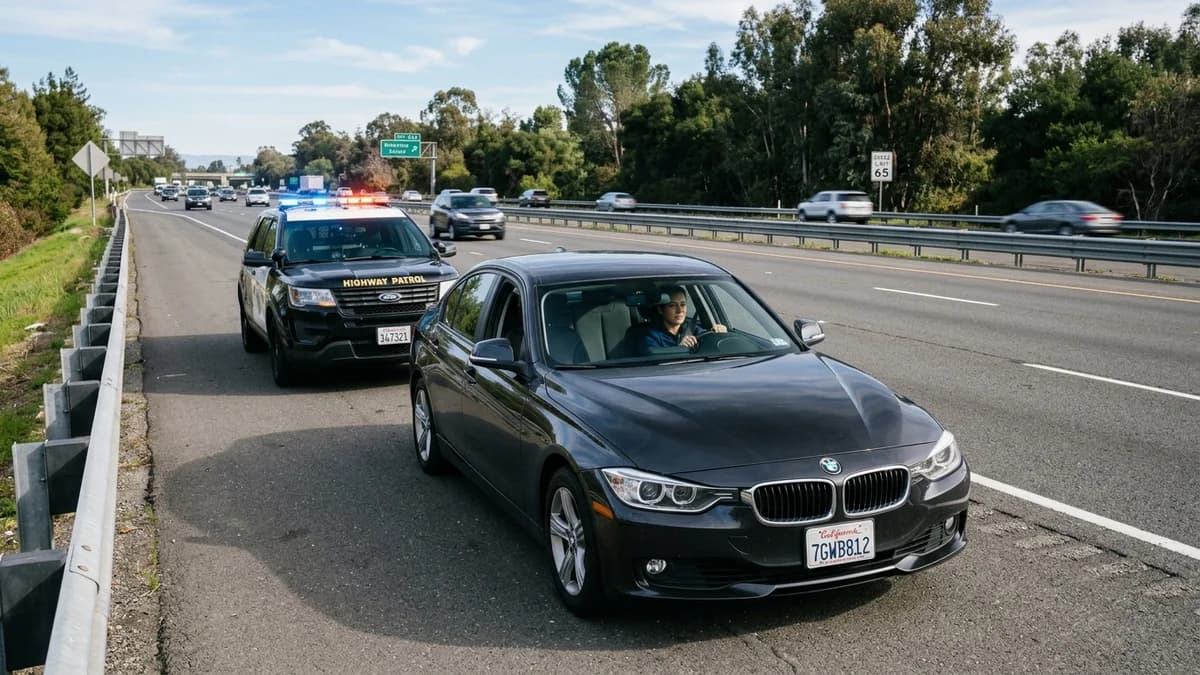
Legal Rights During a Traffic Stop: Consent, Silence & Searches
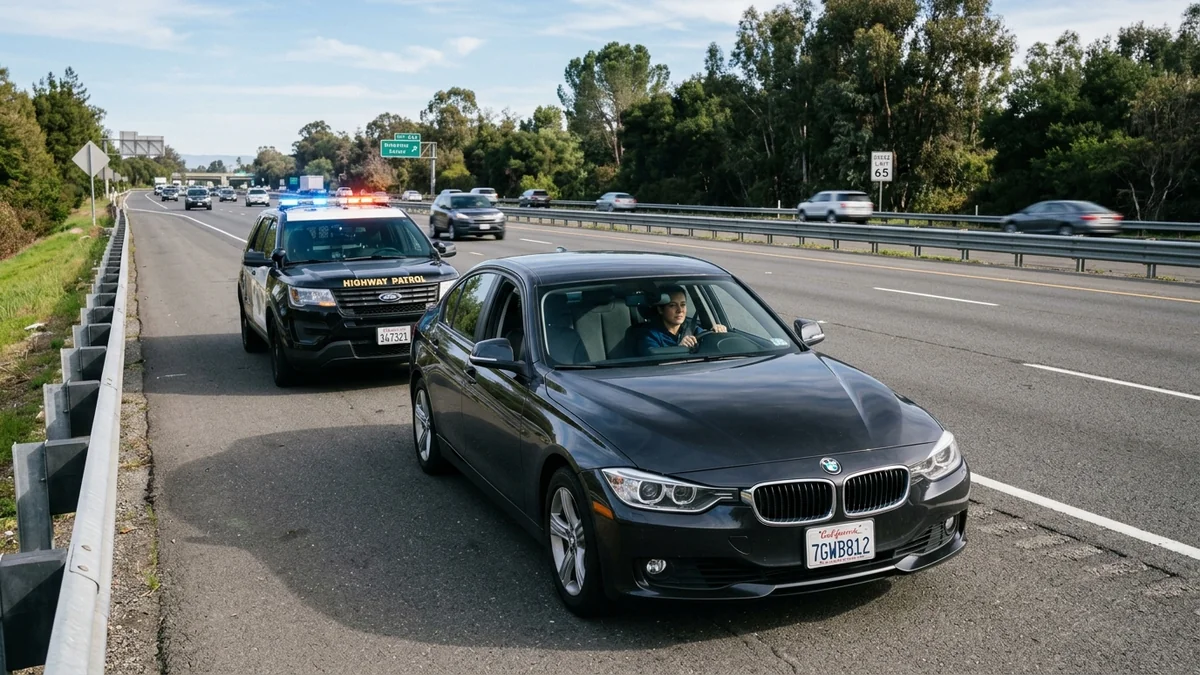
Knowing your 4th and 5th Amendment rights ensures respectful, legally protected traffic stop interactions.
Quick Answer & Key Takeaways
During a police traffic stop in the United States, your legal rights and obligations under the US Constitution are distinct: 1) WHAT YOU MUST PROVIDE: Drivers are legally required to produce their Driver's License, Vehicle Registration, and Proof of Insurance. 2) RIGHT TO REMAIN SILENT: Under the 5th Amendment, you do NOT have to answer self-incriminating questions like 'Do you know how fast you were going?' or 'Where are you coming from?' You may politely state: 'Officer, I am exercising my right to remain silent.' 3) VEHICLE SEARCHES: Under the 4th Amendment, police cannot search your car, glovebox, or trunk without a warrant, probable cause, or your explicit consent. Always state clearly: 'I do not consent to any searches.' 4) ORDER TO EXIT: Under Pennsylvania v. Mimms, police have the absolute legal authority to order the driver (and passengers) to step out of the car for officer safety. You MUST comply with an order to exit.
- Documents Mandatory: You must provide your license, registration, and insurance upon lawful request.
- Never Admit Speed: Answering 'I think I was doing 50' is an admissible confession of guilt in traffic court.
- Clearly State 'I Do Not Consent to Searches': Never physically resist an officer, but explicitly deny verbal consent.
- Mandatory Exit Orders: If ordered to step out of the vehicle, you must comply under Supreme Court precedent.
- Smartphone Recording: You have a constitutional 1st Amendment right to videotape the encounter openly.
The Constitutional Framework: 4th & 5th Amendment Rights on the Road
A routine traffic stop constitutes a temporary seizure of your person and vehicle under the Fourth Amendment of the United States Constitution.
While an officer must have reasonable suspicion of a traffic violation or criminal activity to initiate a stop, understanding the boundary between what an officer can legally mandate versus what you have the constitutional right to decline is critical to protecting your legal record.
What You MUST Provide: License, Registration & Insurance Proof
When an officer approaches your window and requests documentation, state vehicle codes mandate that the driver produce:
- Valid Driver's License: Physical plastic card or verified official state digital ID where permitted.
- Current Vehicle Registration Card: Proof the vehicle is legally registered.
- Proof of Financial Responsibility: Active auto insurance card (paper or smartphone display).
Refusing to provide these three documents is a misdemeanor offense (Obstruction of Justice / Refusal to Identify) resulting in immediate arrest.
The 5th Amendment: Navigating "Do You Know Why I Pulled You Over?"
Officers frequently open interactions with conversational questions designed to elicit self-incrimination:
- "Do you know how fast you were going?" If you answer "Maybe 55 in a 45," you have just provided an on-the-record admission of guilt that the officer will write directly onto the citation.
- "Where are you coming from and where are you going?" You are under no legal obligation to disclose your travel itinerary.
- The Polite Response: You can politely respond: "Officer, I prefer not to answer questions, but here are my license, registration, and insurance."
Vehicle Searches: Refusing Consent vs. Probable Cause & Plain View
Under the 4th Amendment and ACLU legal guidance, police officers cannot rummage through your vehicle without legal justification:
- Consensual Searches: If an officer asks, "Do you mind if I take a look inside your trunk?", state clearly: "Officer, I do not consent to any searches." If you say "sure" or nod, you have waived your 4th Amendment protections.
- Probable Cause: If the officer detects contraband in "Plain View" (e.g., an open container of alcohol on the passenger seat or illegal drugs on the console), they have probable cause to search without your consent.
- Never Physically Resist: If an officer searches despite your refusal, do NOT physically interfere. Verbalize your non-consent so your defense attorney can file a Motion to Suppress evidence in court.
Exiting the Vehicle: The Pennsylvania v. Mimms Supreme Court Rule
Can an officer order you or your passengers to get out of the vehicle?
YES. In the landmark ruling Pennsylvania v. Mimms (1977), the US Supreme Court established that for officer safety, a police officer may order any driver out of a legally stopped vehicle without needing reasonable suspicion of a weapon. Refusing an order to exit is a crime.
Smartphone Recording: Your 1st Amendment Right to Video Traffic Stops
Federal appellate courts across the country have universally upheld that citizens have a clear First Amendment right to record police officers performing official duties in public.
- You may position a smartphone on your dashboard mount or record openly with your hand.
- The officer cannot confiscate your phone or delete footage without a warrant.
- Inform the officer: "Officer, I am placing my phone on the dashboard to record this interaction for both of our safety."
Traffic Stop Constitutional Rights & Police Authority Matrix
| Scenario / Question | What Police Can Legally Demand | Your Constitutional Right | Recommended Response |
|---|---|---|---|
| Documents (DL / Reg / Ins) | Mandatory production | None (Statutory requirement) | Hand over documents immediately |
| "Do you know why I pulled you over?" | Officer may ask | 5th Amendment Right to Silence | "I am not sure, Officer." |
| "Can I search your vehicle / trunk?" | Cannot search without consent/warrant/PC | 4th Amendment Right Against Searches | "Officer, I do not consent to any searches." |
| "Step out of the vehicle" | Lawful command (Mimms doctrine) | Must comply | Exit vehicle calmly with hands visible |
Interactive Knowledge Check
Question: An officer conducts a routine speeding stop and asks: "Do you mind if I take a quick look through your trunk and back seat?" You have nothing illegal in the car. What is your constitutional right under the 4th Amendment?
Authoritative Sources & Regulatory References
Content and statutory guidelines in this guide are verified against official state vehicle codes, federal transportation standards, and authoritative regulatory documentation:
- US Supreme CourtSupreme Court Ruling: Pennsylvania v. Mimms (434 U.S. 106) on Driver Exit Orders(United States Supreme Court)
- ACLUKnow Your Rights: Stopped by Police in a Motor Vehicle(American Civil Liberties Union)
- NHTSANHTSA Model Guidelines for Law Enforcement Traffic Stop Safety and Motorist Interactions(National Highway Traffic Safety Administration)
90% of people found this article helpful.
Click a star to add your vote
119 votes • average 4.55 out of 5
Official 2026 DMV Practice Tests by State
Select your state to practice real exam questions based on the latest 2026 driver handbook.
Ready to Pass the DMV Test on Your First Try?
Practice real 2026 DMV questions with instant answer explanations, simulated timers, and pass-guarantee study guides.
Start Free Practice Test