What Happens If Your Driver’s License Expires? Grace Periods, Fines, and Retests
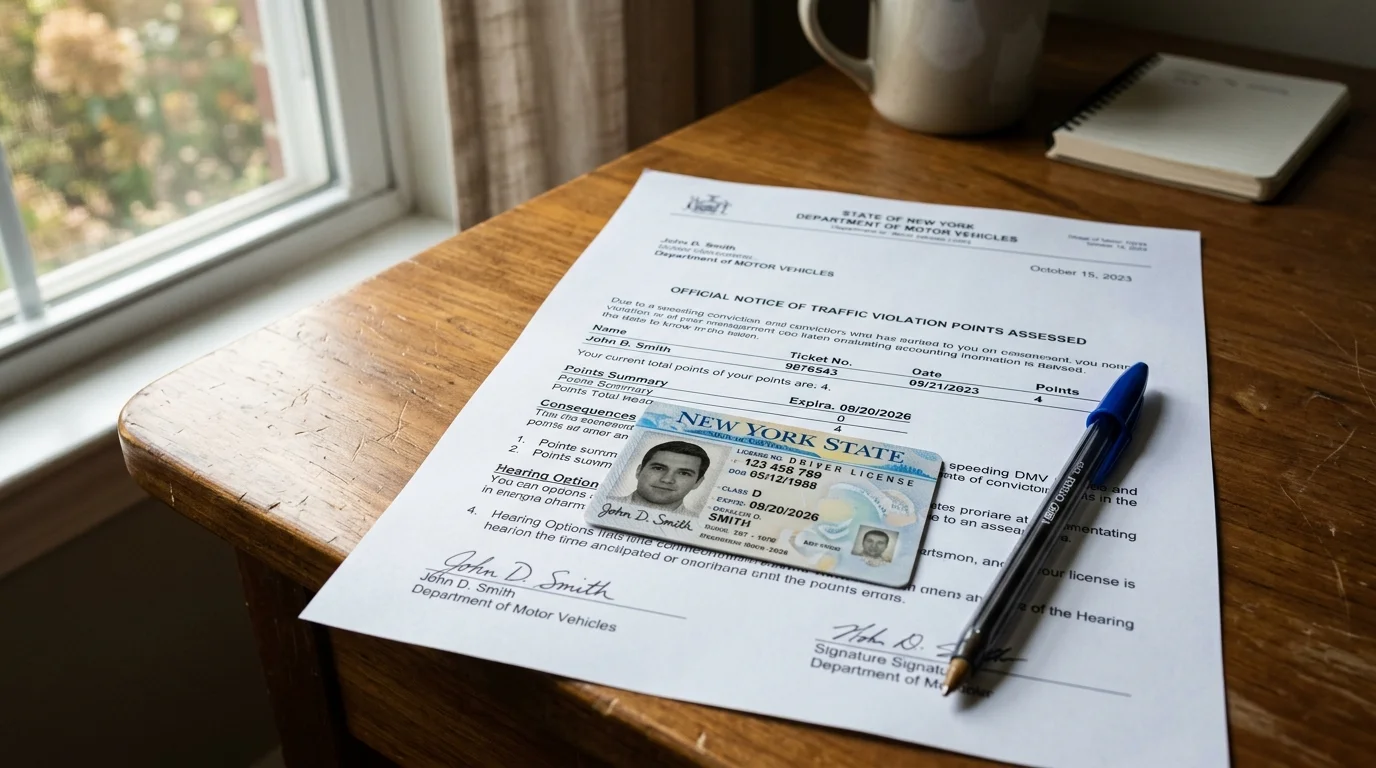
Driving with an expired license carries zero grace period protections and risks misdemeanor citations and insurance claim denials.
Quick Answer & Key Takeaways
Under state traffic laws, there is ZERO statutory grace period for driving on an expired driver's license: the moment midnight strikes on your expiration date (usually your birthday), you are driving unlicensed under CVC § 12500. Penalties include traffic fines ($250–$1,000), 30-day vehicle impoundment, and potential insurance claim denials if you cause a crash. If your license has been expired for less than 1 year, most states allow simple renewal without retesting; if expired for more than 1 to 2 years, you must retake the written DMV knowledge exam, vision test, and behind-the-wheel driving test.
- No Grace Period to Drive: It is illegal to drive the day after your license expires, even by a single hour.
- The 1-Year Retest Cliff: If expired for over 1 year (or 2 years depending on state), you lose testing waivers and must restart written/road testing from scratch.
- Insurance Claim Denial Risk: If you cause a serious crash while driving on an expired license, insurance carriers can deny collision coverage.
- TSA 1-Year Exception: TSA airport checkpoints accept state driver's licenses up to 1 year past the expiration date for domestic flights.
The "Grace Period" Myth: Is Driving on an Expired License Legal?
A widespread urban myth claims that drivers receive a "30-day grace period" after their license expires to visit the DMV.
This is 100% false across all 50 US states.
While some states grant a renewal grace period to pay fees without late penalties, there is ZERO grace period to operate a motor vehicle. The exact second midnight passes on your expiration date (typically on your birthday every 5 years), your legal driving privilege terminates under California Vehicle Code § 12500.
Traffic Citations, Vehicle Impoundment, and Misdemeanor Charges
If pulled over during a routine police stop with an expired license:
- Expired < 30 Days (Infraction): Usually charged as a "fix-it" ticket or moving violation infraction ($250+ fine), provided you renew within 30 days.
- Expired >6 Months (Misdemeanor / Unlicensed Driving): Officers can charge you with misdemeanor driving without a valid license, punishable by fines up to $1,000 and up to 6 months in county jail.
- Vehicle Impoundment: Because you are legally unlicensed, the officer cannot allow you to drive the car away. Your vehicle will be towed and impounded at your expense ($300–$600).
The Auto Insurance Trap: Denied Claims and Cancelled Policies
Auto insurance policies require that all named drivers maintain a valid, unexpired driver’s license.
If you cause a serious crash while driving on an expired license, your insurer may pay mandatory third-party liability to the victim, but deny your first-party collision claim, refusing to repair your vehicle under your auto insurance policy.
The Retesting Cliff: When Must You Retake the Written and Road Tests?
How long your license has been expired determines whether you can simply renew or must re-qualify:
- Expired Under 1 Year: Simple renewal. Pay the standard renewal fee plus a small late surcharge; no written or driving exam required (only a vision check).
- Expired Between 1 and 2 Years: Most state DMVs mandate that you retake the written knowledge permit test.
- Expired Over 2 to 3 Years: The DMV treats you as a brand new applicant. You must retake the written exam, obtain a learner's permit, and pass the behind-the-wheel road test from scratch.
Step-by-Step Renewal Guide (Online, Mail, and In-Person)
Check your eligibility for online renewal:
- Online Renewal: Eligible if you are under age 70, have a clean driving record, renewed in person last time, and do not need to upgrade to a REAL ID.
- In-Person DMV Renewal: Mandatory if you are changing your name, upgrading to REAL ID, taking a required vision test, or your license has been expired over 1 year.
TSA Airport Security and REAL ID Rules for Expired Licenses
Under official TSA identification guidelines:
TSA security checkpoints accept state-issued driver's licenses up to ONE YEAR (365 days) past the expiration date for domestic commercial flights.
Interactive Knowledge Check
Question: Is there a legal statutory grace period allowing you to drive a vehicle on public roads after your driver's license expiration date has passed?
Authoritative Sources & Regulatory References
Content and statutory guidelines in this guide are verified against official state vehicle codes, federal transportation standards, and authoritative regulatory documentation:
- California LegislatureCalifornia Vehicle Code § 12500: Unlawful to Drive Unless Licensed(State of California Vehicle Code)
- AAMVADriver License Renewal Timeframes and Testing Waivers(American Association of Motor Vehicle Administrators)
- TSATSA Acceptable Identification Guidelines for Expired Driver Licenses(Transportation Security Administration)
97% of people found this article helpful.
Click a star to add your vote
262 votes • average 4.89 out of 5
Official 2026 DMV Practice Tests by State
Select your state to practice real exam questions based on the latest 2026 driver handbook.
Ready to Pass the DMV Test on Your First Try?
Practice real 2026 DMV questions with instant answer explanations, simulated timers, and pass-guarantee study guides.
Start Free Practice TestRecommended Driver Guides

REAL ID vs. Standard Driver’s License: Documents, Deadlines, and TSA Rules
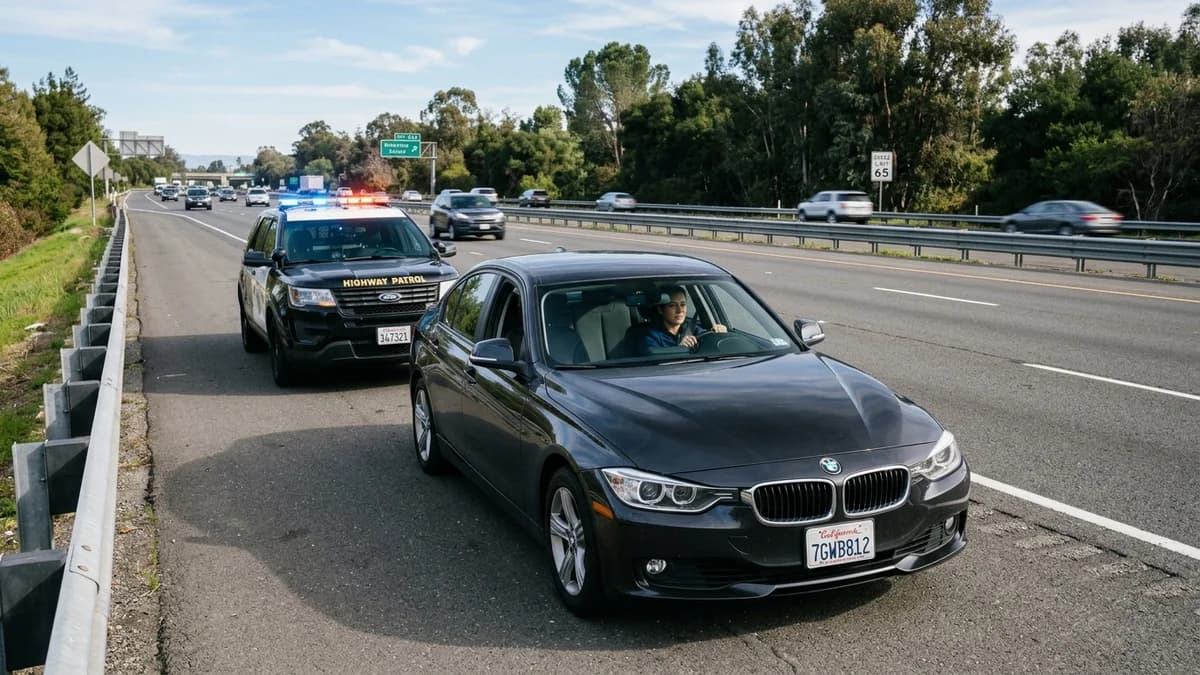
What to Do When Being Pulled Over by Police: Step-by-Step Safety & Legal Protocol
