How to Choose the Right Car Wash: Touchless vs. Soft-Cloth vs. Hand Wash
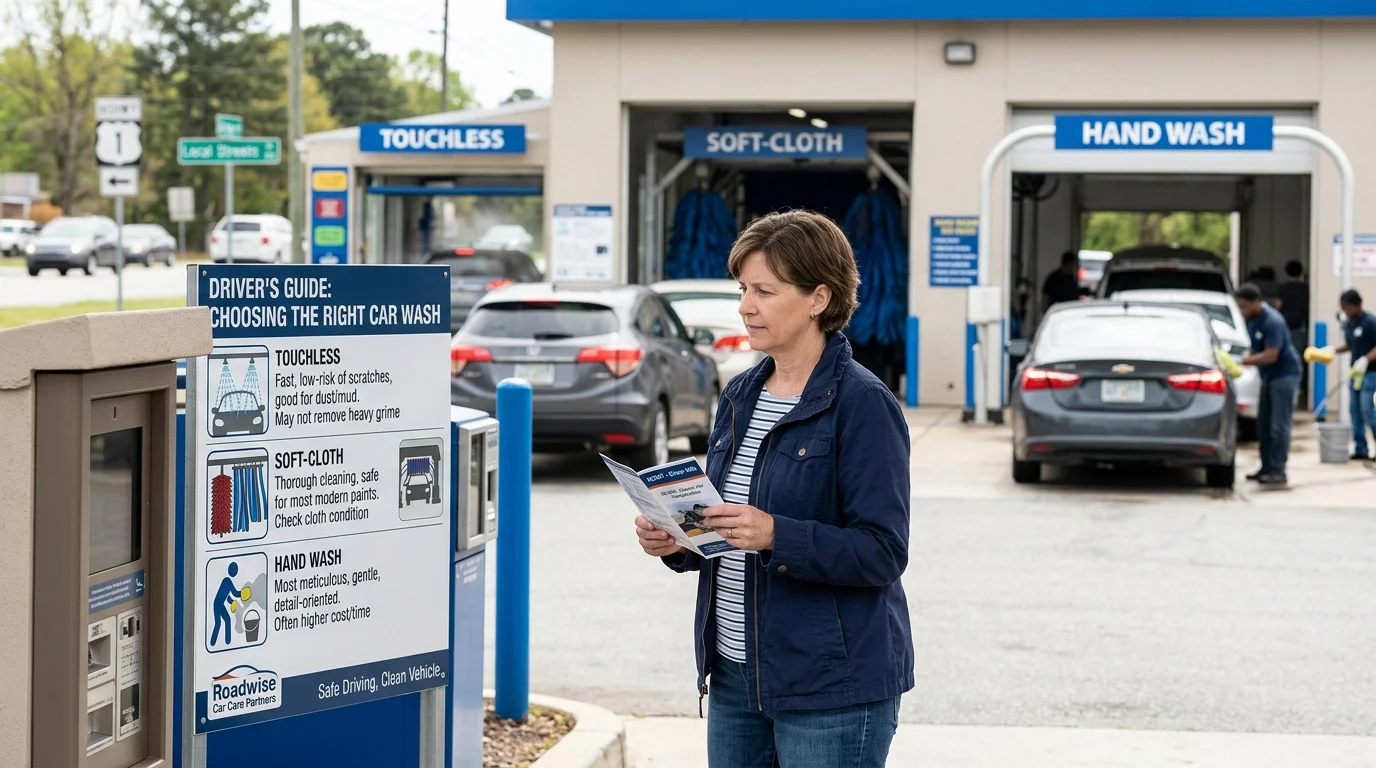
Choosing between touchless laser washes, friction soft-cloth tunnels, and DIY hand washing depends on whether speed, budget, or preserving your clear coat is your top priority.
Quick Answer & Key Takeaways
If you want fast, scratch-free convenience, choose a Touchless Car Wash (zero physical brushes touch your paint). If your car is caked in heavy mud or neglected grime, a Soft-Cloth Tunnel cleans deeper but risks minor swirl marks. For absolute show-car perfection, a DIY Two-Bucket Hand Wash is the safest method for your clear coat.
- Touchless Washes: Best for weekly maintenance, dark-colored cars, and ceramic coatings with 0% risk of brush swirl marks.
- Soft-Cloth Tunnels: Best for removing heavy road film and dirt quickly, but brushes can trap grit from previous vehicles.
- DIY Two-Bucket Hand Wash: The gold standard for paint preservation, eliminating micro-scratches when using grit guards.
- Always add Undercarriage Wash during winter months to flush corrosive road salts and prevent frame rust.
The Fast Verdict: Which Wash Fits Your Driving Lifestyle?
Every driver faces the same dilemma pulling up to the gas station or car wash plaza: Should you take the touchless laser bay, drive through the soft-cloth friction tunnel, or spend an hour washing the car in your driveway?
According to clear coat research from the International Detailing Association (IDA), modern automotive clear coat is only about as thick as a single sheet of paper (approximately 1.5 to 2 mils thick). Choosing the wrong wash method repeatedly can turn deep glossy paint into a spiderweb of microscopic swirl marks and dull the resale value of your car. Here is the fast breakdown:
- Pick Touchless If: You drive a dark vehicle, have ceramic coating or Paint Protection Film (PPF), and want a fast 5-minute wash without swirl marks.
- Pick Soft-Cloth If: Your car is covered in heavy mud, dried bugs, or road tar that high-pressure water alone cannot agitate off.
- Pick DIY Hand Wash If: You want 100% scratch-free preservation, maximum wax longevity, and don't mind spending 45 minutes on a weekend for showroom-quality results.
Touchless Laser Car Washes: How They Work, Pros & Cons
A touchless car wash relies entirely on high-pressure water jets (typically 1,000 to 1,500 PSI) and specialized chemical detergents (alkaline pre-soaks followed by acidic neutralizers) to loosen and blast away surface dirt without any physical brushes touching the vehicle.
Key Advantages:
- Zero physical contact: Zero risk of brush swirl marks, spiderweb scratches, or clear-coat hazing.
- Safe for delicate accessories: Will not snag side mirrors, roof racks, aftermarket spoilers, or magnetic antennas.
- Fast turnaround: Complete wash and air dry cycles take under 5 minutes without having to exit your vehicle.
Trade-offs to Keep in Mind:
- Lower cleaning power on heavy grime: Cannot fully dissolve baked-on bugs, tree sap, or electrostatic road film without manual agitation.
- Stronger chemical detergents: The aggressive alkaline pre-soaks used to compensate for lack of friction can strip natural carnauba wax faster than pH-neutral hand shampoos.
Soft-Cloth Friction Tunnel Washes: High Power vs. Scratch Risk
Modern friction tunnel car washes have replaced old harsh plastic bristles with closed-cell foam or micro-fiber soft cloth strips. These strips spin rapidly and make direct physical contact with your vehicle to scrub away tough grime.
The DIY Two-Bucket Hand Wash: The Detailer’s Gold Standard
If you care about keeping your vehicle in showroom condition, nothing outperforms a proper two-bucket hand wash with grit guards:
- Bucket 1 (Wash): Filled with pH-neutral car wash shampoo and clean water.
- Bucket 2 (Rinse): Filled with pure water to rinse your microfiber wash mitt between every panel.
- Grit Guards: Placed at the bottom of both buckets to trap heavy sand and grit at the bottom where your wash mitt cannot touch it.
- Top-to-Bottom Technique: Always wash the roof, hood, and upper doors first before washing lower rocker panels and wheels where road grit concentrates.
Side-by-Side Comparison: Touchless vs. Soft-Cloth vs. Hand Wash
| Feature | Touchless Laser | Soft-Cloth Tunnel | Two-Bucket Hand Wash |
|---|---|---|---|
| Paint Scratch Safety | ⭐⭐⭐⭐⭐ (No scratches) | ⭐⭐ (Swirl risk) | ⭐⭐⭐⭐⭐ (Safest) |
| Cleaning Power | ⭐⭐⭐ (Light to moderate) | ⭐⭐⭐⭐⭐ (Heavy grime) | ⭐⭐⭐⭐⭐ (Thorough) |
| Time Required | 3–5 minutes | 5–8 minutes | 45–60 minutes |
| Average Cost | $10 – $18 | $12 – $25 | < $2 per wash (DIY supplies) |
| Ceramic / Wrap Safe | 100% Safe | May snag or scratch | 100% Safe |
Automatic Wash Safety Checklist: How to Avoid Costly Vehicle Damage
Every year, thousands of drivers experience cracked windshields, snapped side mirrors, or bent wiper arms inside automatic wash tunnels. Before entering any conveyor track or laser bay, follow this critical checklist:
- Shift into Neutral (N) — Never Park (P) on Conveyor Tracks: Conveyor rollers pull your vehicle along the track. Leaving your car in Park or applying the emergency brake can cause severe transmission damage or cause the roller to jump under your tire.
- Turn Off Automatic Rain-Sensing Wipers: If your vehicle has auto wipers, the sensor will detect water spray and immediately activate the wiper blades. Spinning wash brushes can grab moving wipers and snap the motor assembly.
- Fold In Power Side Mirrors & Retract Antennas: Heavy rotating curtains and high-speed overhead blowers can force mirror housings backwards or snap screw-in radio antennas.
- Disable Forward Collision & Automatic Emergency Braking (AEB): Modern ADAS radar sensors can register heavy foam waterfalls or hanging curtains as obstacles, triggering sudden phantom braking inside the tunnel.
Winter Driving & Undercarriage Salt Protection
During winter storms, road crews spread sodium chloride, magnesium chloride, and calcium chloride over icy highways. While essential when navigating winter roads in snow and slush, road salt is highly corrosive to steel brake lines, suspension components, and subframes.
Why is frequent undercarriage washing critical for safe winter driving?
Frequently Asked Questions
How often should you wash your car?
Under normal driving conditions, washing your car once every two weeks is ideal. If you live near coastal ocean salt or drive through winter road salt, wash once every 7 to 10 days.
Is a touchless wash safe for cars with ceramic coatings or PPF?
Yes. Touchless car washes are recommended for ceramic coatings and Paint Protection Film (PPF) because there is zero friction contact to cause micro-marring or snag film edges.
Should you let the car wash blowers dry your car, or dry it by hand?
Touch-free heated air blowers are the safest drying method. If wiping down remaining water droplets by hand, always use a clean, plush microfiber towel with a quick-detailer spray lubricant.
Authoritative Sources & Regulatory References
Content and statutory guidelines in this guide are verified against official state vehicle codes, federal transportation standards, and authoritative regulatory documentation:
- ICAConsumer Car Wash Trends & Equipment Standards(International Carwash Association)
- IDAClear Coat Maintenance and Two-Bucket Washing Best Practices(International Detailing Association)
- NHTSA / DOTVehicle Rust Prevention and Undercarriage De-icing Salt Care(U.S. Department of Transportation)
90% of people found this article helpful.
Click a star to add your vote
147 votes • average 4.56 out of 5
Official 2026 DMV Practice Tests by State
Select your state to practice real exam questions based on the latest 2026 driver handbook.
Ready to Pass the DMV Test on Your First Try?
Practice real 2026 DMV questions with instant answer explanations, simulated timers, and pass-guarantee study guides.
Start Free Practice TestRecommended Driver Guides
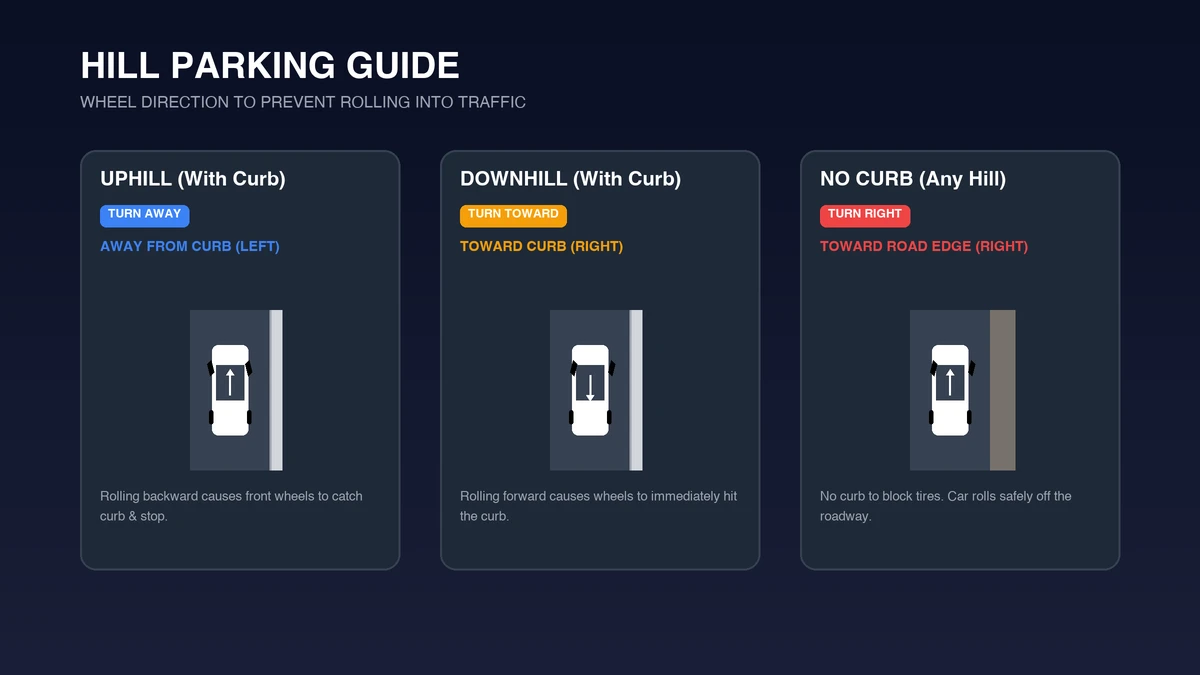
Which Way to Turn Your Wheels When Parking on a Hill (And Why)
Understand the core physics behind hill parking so you never have to memorize confusing tables again.
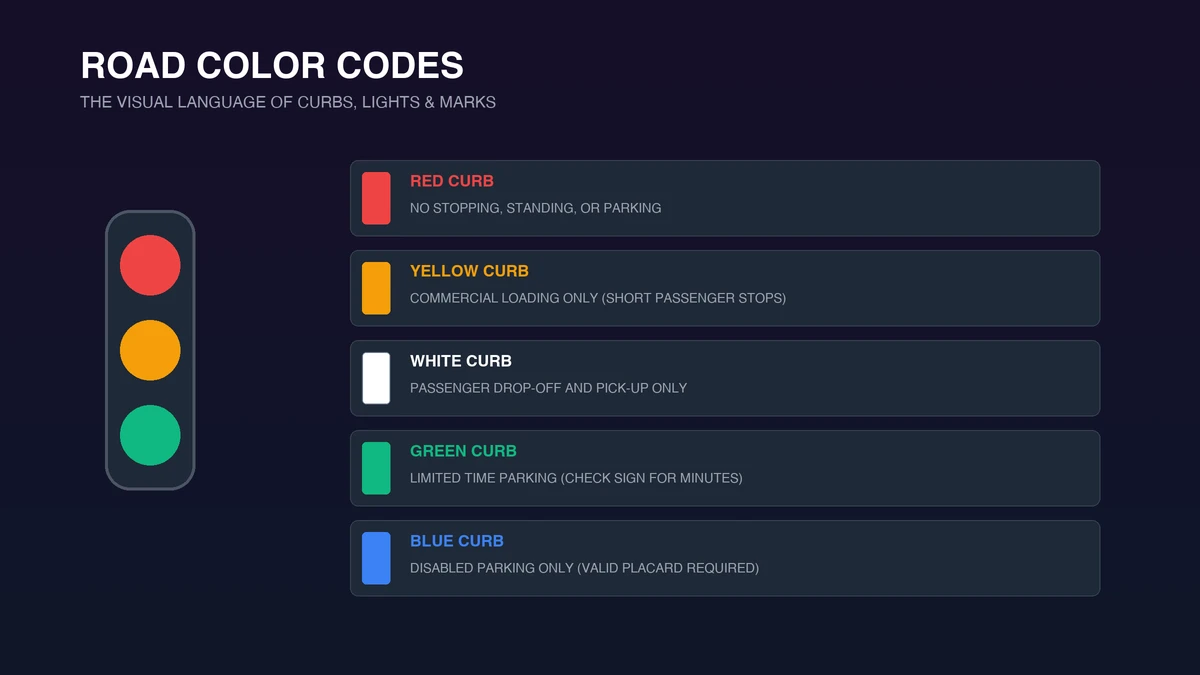
Every Road Color Explained: Curbs, Lights, Signs & Markings
A complete visual guide to every curb color, pavement stripe, and traffic beacon on US roads.
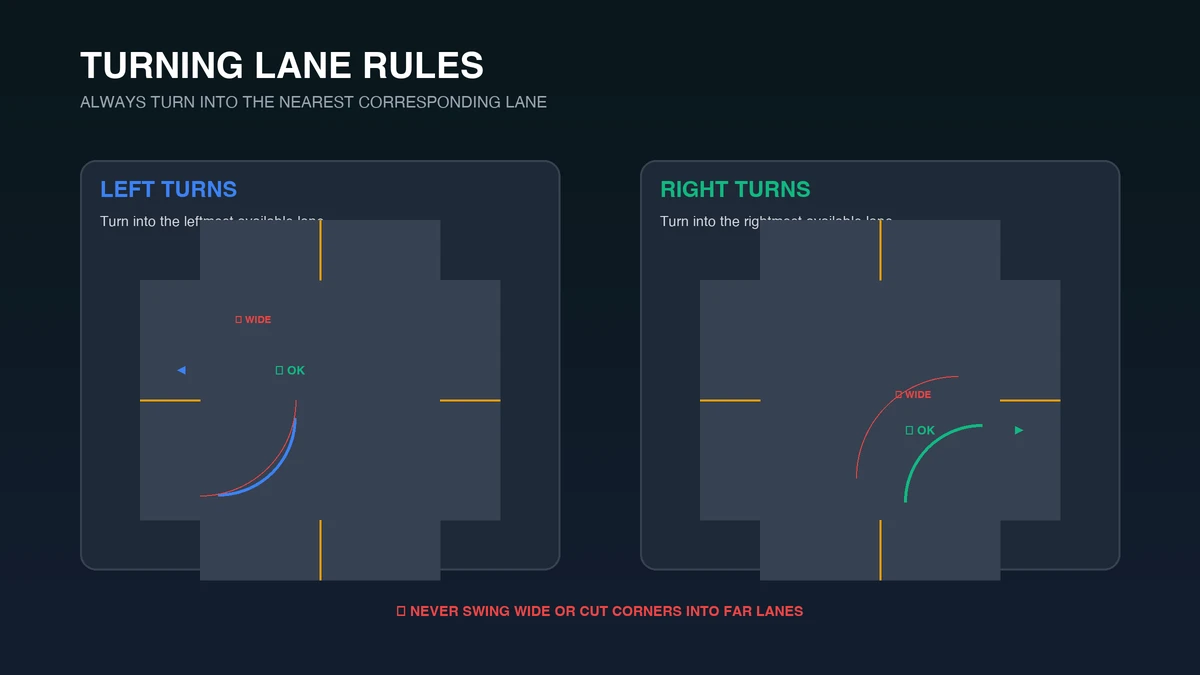
Left & Right Turns Explained: Which Lane Do You End Up In?
Learn the exact lane selection rules for single-turn, multi-turn, and intersecting highway corridors.