Motorcycle Lane Splitting vs. Lane Filtering: State-by-State Laws Explained
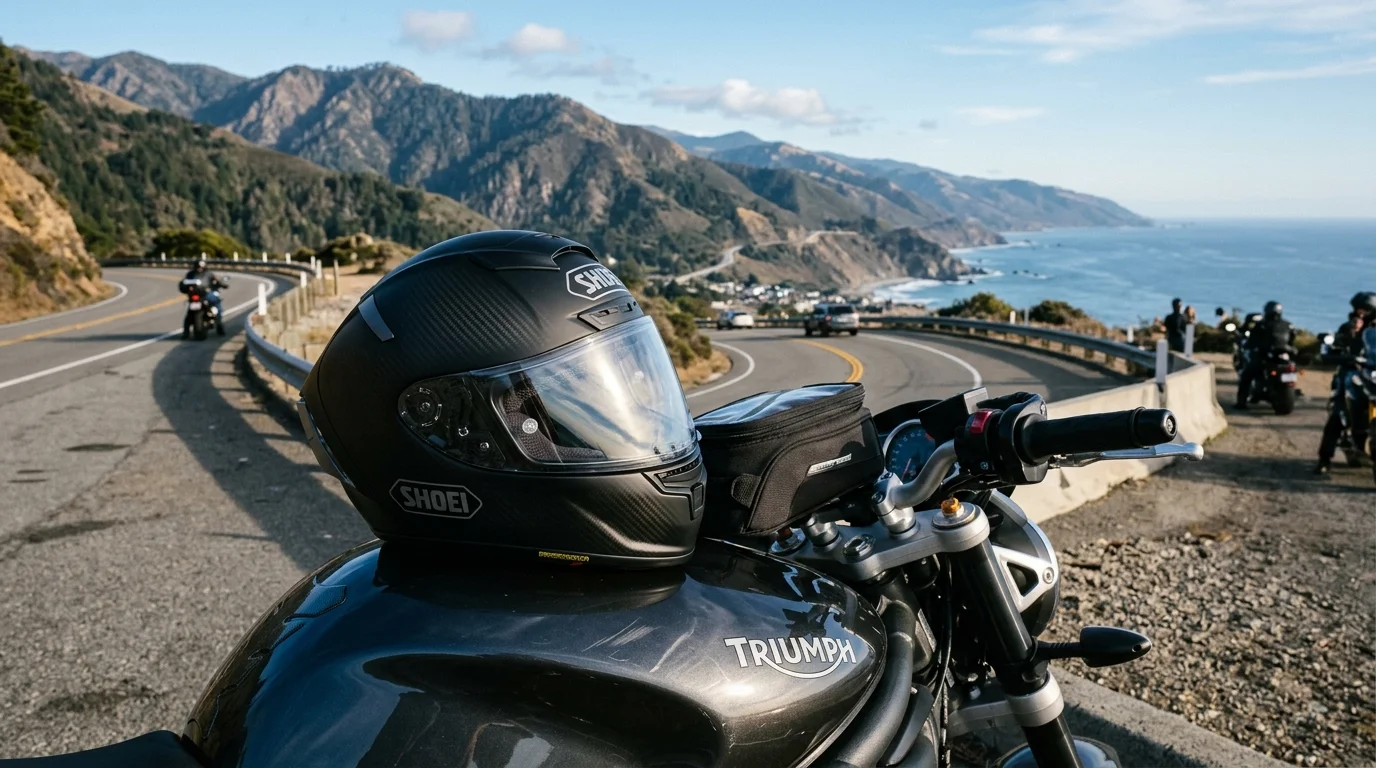
State motorcycle laws strictly differentiate between high-speed lane splitting (California) and stationary red-light lane filtering (Utah, Arizona, Montana).
Quick Answer & Key Takeaways
While often used interchangeably, 'Lane Splitting' and 'Lane Filtering' have distinct legal definitions: 1) LANE SPLITTING (California CVC § 21658.1): Riding a motorcycle between rows of MOVING vehicles at speeds up to 30–40+ mph on multi-lane highways. Legal ONLY in California. 2) LANE FILTERING (Utah, Montana, Arizona, Colorado): Riding a motorcycle at low speeds (typically 10–15 mph) between STOPPED vehicles at red traffic lights to move to the front of the queue. 3) ALL OTHER STATES: Riding between lanes remains illegal; motorcyclists must occupy a full lane position.
- California = Full Lane Splitting: Legal between moving vehicles when done in a prudent manner (CHP recommends traveling no more than 10 mph faster than traffic).
- Filtering = Stopped Red Lights Only: In Utah, Arizona, Montana, and Colorado, filtering is legal ONLY when surrounding vehicle traffic is completely stopped.
- Reduces Rear-End Fatalities: UC Berkeley studies prove lane splitting reduces motorcycle rear-end collisions by 38% and head injuries by 45%.
- Car Drivers Cannot Block Bikers: Opening a car door or intentionally swerving to block a lane-splitting motorcyclist is a criminal misdemeanor.
Lane Splitting vs. Lane Filtering: The Vital Legal Distinction
Across the United States, motorcycle traffic laws are rapidly evolving based on traffic safety research.
Under guidelines published by the American Motorcyclist Association (AMA), there are two distinct legal maneuvers:
- Lane Splitting (Moving Traffic): Riding between lanes of traffic that are moving at normal or reduced highway speeds.
- Lane Filtering (Stopped Traffic): Moving between lanes of stopped vehicles at an intersection to reach the front of the traffic light queue.
California (AB 51 / CVC § 21658.1): The Pioneer of High-Speed Lane Splitting
In 2016, California enacted Assembly Bill 51, codifying California Vehicle Code § 21658.1.
California is currently the only US state that allows full lane splitting in moving traffic on multi-lane highways.
California Highway Patrol (CHP) Safety Guidelines:
- Speed Differential: Travel no more than 10 MPH faster than the surrounding flow of traffic.
- Speed Ceiling: It is not advisable to split lanes when traffic flow exceeds 30 MPH.
- Lane Location: Lane splitting between the far-left Lane 1 (fast lane) and Lane 2 is the most predictable corridor.
Lane Filtering States: Utah, Montana, Arizona, and Colorado Rules
Four states have legalized Lane Filtering at Red Lights with strict statutory speed caps:
- Utah (Traffic Code § 41-6a-709): Motorcyclists may filter between stopped vehicles on roads with speed limits ≤45 mph at a maximum speed of 15 MPH.
- Arizona (ARS § 28-903): Filtering permitted when surrounding cars are completely stopped, road limit is ≤45 mph, and rider speed does not exceed 15 MPH.
- Montana (MCA § 61-8-392): Allows filtering between stopped or slow traffic at up to 20 MPH.
- Colorado (SB 24-079): Passed legislation legalizing filtering between stopped traffic at speeds up to 15 MPH.
The Safety Physics: Why Filtering Cuts Rear-End Collisions by 38%
Why are states legalizing lane filtering?
According to landmark research by the UC Berkeley Safe Transportation Research & Education Center (SafeTREC) examining 8,000 motorcycle collisions:
- 38% Reduction in Rear-End Collisions: When trapped between car bumpers in stop-and-go traffic, motorcyclists are vulnerable to distracted drivers plowing into them from behind under stopping distance lag. Filtering places the motorcycle safely ahead of the queue.
- 45% Fewer Severe Head Injuries: Lane-splitting riders suffered significantly fewer traumatic head and torso injuries because high-speed rear crush impacts were eliminated.
Comprehensive 50-State Motorcycle Lane Sharing Laws Chart
| State | Legal Status | Speed Limit & Specific Restrictions |
|---|---|---|
| California | LANE SPLITTING (Legal in moving traffic) | CVC § 21658.1; max +10 mph speed differential recommended |
| Utah | LANE FILTERING (Stopped traffic only) | Max 15 mph rider speed; posted road limit ≤45 mph |
| Arizona | LANE FILTERING (Stopped traffic only) | Max 15 mph rider speed; vehicles must be fully stopped |
| Montana | LANE FILTERING (Stopped traffic only) | Max 20 mph rider speed |
| Colorado | LANE FILTERING (Stopped traffic only) | Max 15 mph rider speed |
| All Other 45 States | PROHIBITED (Illegal) | Motorcycles must occupy standard single lane position |
Safety Guidelines for Motorcyclists & Car Drivers Sharing Lanes
- For Passenger Car Drivers: Intentionally blocking, swerving, or opening a car door to impede a lane-splitting rider is a criminal misdemeanor under California Vehicle Code § 22400. Check your side mirrors for filtering riders before changing lanes under blind spot mirror rules.
- For Motorcyclists: Never split lanes near large 18-wheelers subject to truck blind spots, avoid splitting in wet weather, and never pass vehicles on the right-hand shoulder.
Interactive Knowledge Check
Question: In states with legal "Lane Filtering" (such as Utah and Arizona), under what traffic conditions is a motorcyclist permitted to ride between lanes?
Authoritative Sources & Regulatory References
Content and statutory guidelines in this guide are verified against official state vehicle codes, federal transportation standards, and authoritative regulatory documentation:
- California LegislatureCalifornia Vehicle Code § 21658.1: Motorcycle Lane Splitting Guidelines(State of California Vehicle Code)
- UC BerkeleyMotorcycle Lane-Splitting and Safety in California (UC Berkeley SafeTREC Study)(University of California, Berkeley Safe Transportation Research and Education Center)
- AMAState-by-State Motorcycle Lane Splitting & Filtering Laws(American Motorcyclist Association)
96% of people found this article helpful.
Click a star to add your vote
94 votes • average 4.83 out of 5
Official 2026 DMV Practice Tests by State
Select your state to practice real exam questions based on the latest 2026 driver handbook.
Ready to Pass the DMV Test on Your First Try?
Practice real 2026 DMV questions with instant answer explanations, simulated timers, and pass-guarantee study guides.
Start Free Practice TestRecommended Driver Guides

Blind Spot Driving Rules: How to Adjust Mirrors to Completely Eliminate Blind Spots
HOV and Carpool Lane Rules: Occupancy Limits, Hours, and Clean Air Decals