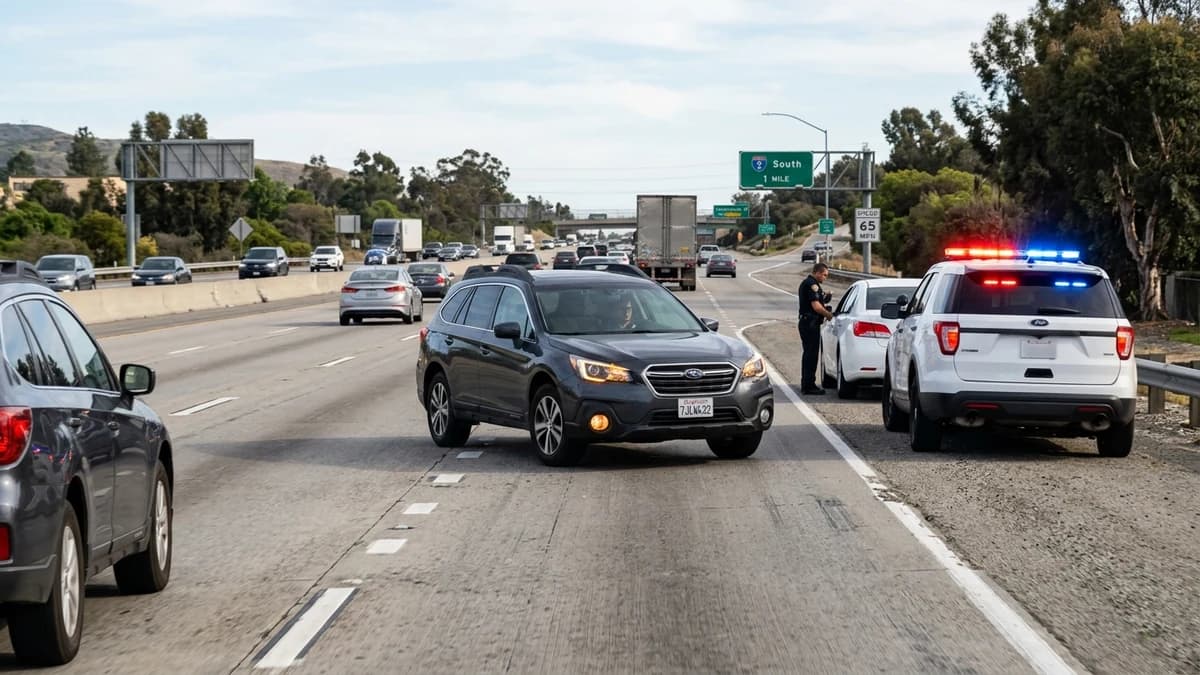
Right-of-Way Rules Summary: The Universal Hierarchy of Who Yields to Whom
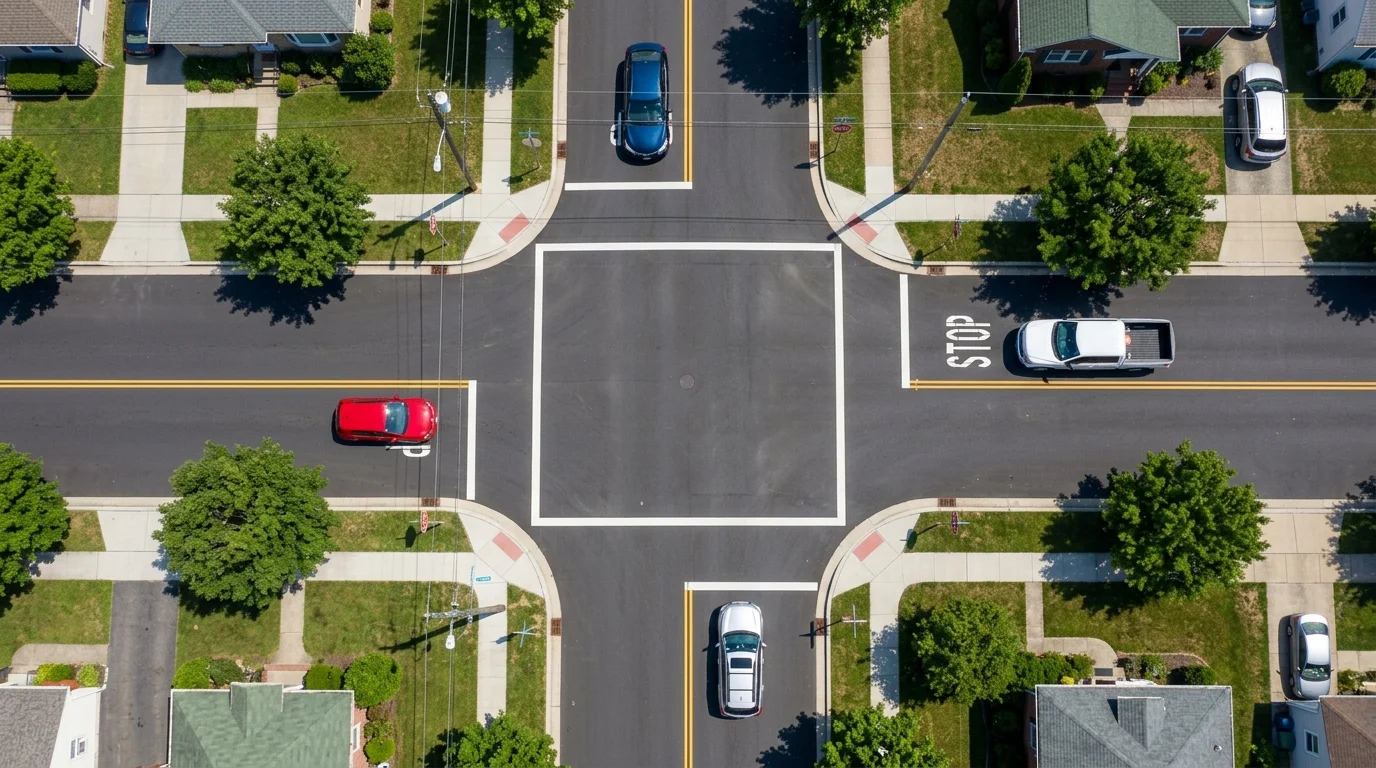
The legal hierarchy of right-of-way governs who must yield first at every intersection, merge point, and road conflict.
Quick Answer & Key Takeaways
The universal legal hierarchy of right-of-way establishes who must yield: 1) EMERGENCY VEHICLES (sirens/lights active) have top priority; pull to the right and stop. 2) PEDESTRIANS & BLIND PERSONS hold absolute priority in all marked/unmarked crosswalks. 3) TRAINS always have priority at grade crossings. 4) STOPPED SCHOOL BUSES with red flashers halt traffic in both directions. 5) ROUNDABOUTS: Circulating traffic has priority; entering drivers must yield. 6) INTERSECTIONS: First to arrive goes first; tie goes to the driver on the RIGHT. 7) LEFT TURNS must yield to oncoming straight traffic. 8) DRIVEWAYS / PARKING LOTS must yield to all through street traffic.
- Right-of-way is GIVEN, not taken: The law specifies who must YIELD, not who has an absolute entitlement to charge ahead.
- Tie on Arrival (Right Goes First): When two vehicles arrive simultaneously at an intersection, the driver on the left yields to the driver on the RIGHT.
- T-Intersections: Drivers on the terminating through-road must yield to all traffic traveling on the continuous cross-street.
- Left Turns Yield to Straight: Vehicles turning left must wait for all oncoming straight-through traffic and right-turning vehicles to clear.
The Legal Golden Rule: "Right-of-Way Is Given, Never Taken"
Failure to yield the right-of-way is the #1 primary collision factor in urban traffic fatalities, accounting for over 35% of fatal intersection crashes nationwide under NHTSA crash data.
Every state vehicle code is written around a foundational legal principle:
The law never "grants" right-of-way; it only states who must YIELD right-of-way to others.
Even if you legally have priority under state statutes, if another driver fails to yield, you have a statutory duty to avoid a collision. "Having the right-of-way" will not protect you in a t-bone crash.
The Master Hierarchy of Roadway Priority (Levels 1 to 8)
When multiple road users meet at the same location, traffic law establishes a strict 8-tier hierarchy:
Level 1: Emergency Vehicles & Transit with Active Sirens
Police cruisers, fire engines, and ambulances operating sirens and flashing red/blue lights have absolute highest priority under Move Over Laws. All traffic in all lanes must yield immediately, signal, pull to the right-hand edge of the curb, and come to a complete stop until they pass.
Level 2: Pedestrians & Blind Persons with White Canes
Under pedestrian right-of-way laws (CVC § 21950), pedestrians in marked crosswalks AND unmarked intersection corners hold complete right-of-way. Blind pedestrians using a white cane or guide dog have absolute right-of-way at all times.
Level 3: Freight & Commuter Trains at Grade Crossings
Due to railroad crossing laws and stopping physics, trains always have priority over all vehicular traffic. Motorists must stop between 15 and 50 feet from the tracks.
Level 4: Stopped School Buses with Red Flashing Beacons
Under school bus stop laws (CVC § 22454), when a bus stops and extends its red flashing stop arm on an undivided road, traffic traveling in both directions must stop completely.
Level 5: Traffic Circulating Inside Modern Roundabouts
Under roundabout navigation rules, vehicles already circulating inside the rotary ring have right-of-way. Vehicles approaching on the entry ramp must yield at the yield line.
Level 6: Intersections: 4-Way Stops, T-Junctions & First-Arrival
At stop-sign controlled and uncontrolled junctions under 4-way stop rules and uncontrolled intersection laws:
- First Arrival: The vehicle that arrives and stops first has priority to proceed first.
- Simultaneous Arrival (Tie): The driver on the left must yield to the driver on the RIGHT.
- T-Intersections: The driver on the terminating road must yield right-of-way to all vehicles traveling along the continuous through-street.
Level 7: Unprotected Left Turns vs. Straight-Through Traffic
Under unprotected left turn rules (CVC § 21801), any vehicle turning left must yield right-of-way to all oncoming vehicles approaching from the opposite direction that are close enough to constitute an immediate hazard.
Level 8: Vehicles Entering from Driveways, Alleys & Curbs
Under California Vehicle Code § 21804, a driver entering or crossing a public street from a private driveway, parking lot, gas station, or alleyway must yield to ALL oncoming traffic and pedestrians on the public road.
The Master Right-of-Way Decision Matrix Table
| Scenario / Encounter | Who Has Right-of-Way? | Who Must Yield? |
|---|---|---|
| Emergency Vehicle (Siren/Lights) | Emergency Vehicle | All other vehicles in all lanes |
| Pedestrian at Corner Crosswalk | Pedestrian | All turning and through motor vehicles |
| 4-Way Stop Simultaneous Arrival | Vehicle on the RIGHT | Vehicle on the LEFT |
| Unprotected Left Turn | Oncoming Straight Traffic | Left-turning vehicle |
| Modern Roundabout | Circulating Traffic inside ring | Entering vehicles at yield line |
| Exiting Gas Station / Driveway | Public Street Traffic & Sidewalk Pedestrians | Vehicle exiting private property |
Interactive Knowledge Check
Question: Two vehicles stop at a 4-way intersection at the exact same instant. Car A is on the north approach, and Car B is on the east approach (to Car A's right). Who must yield the right-of-way?
Authoritative Sources & Regulatory References
Content and statutory guidelines in this guide are verified against official state vehicle codes, federal transportation standards, and authoritative regulatory documentation:
- California LegislatureCalifornia Vehicle Code Chapter 4: Right-of-Way (§ 21800–21809)(State of California Vehicle Code)
- NCUTLOUniform Vehicle Code Chapter 11: Rules of the Road and Priority(National Committee on Uniform Traffic Laws and Ordinances)
- NHTSAIntersection Safety and Failure to Yield Crash Statistics(National Highway Traffic Safety Administration)
84% of people found this article helpful.
Click a star to add your vote
214 votes • average 4.25 out of 5
Official 2026 DMV Practice Tests by State
Select your state to practice real exam questions based on the latest 2026 driver handbook.
Ready to Pass the DMV Test on Your First Try?
Practice real 2026 DMV questions with instant answer explanations, simulated timers, and pass-guarantee study guides.
Start Free Practice TestRecommended Driver Guides
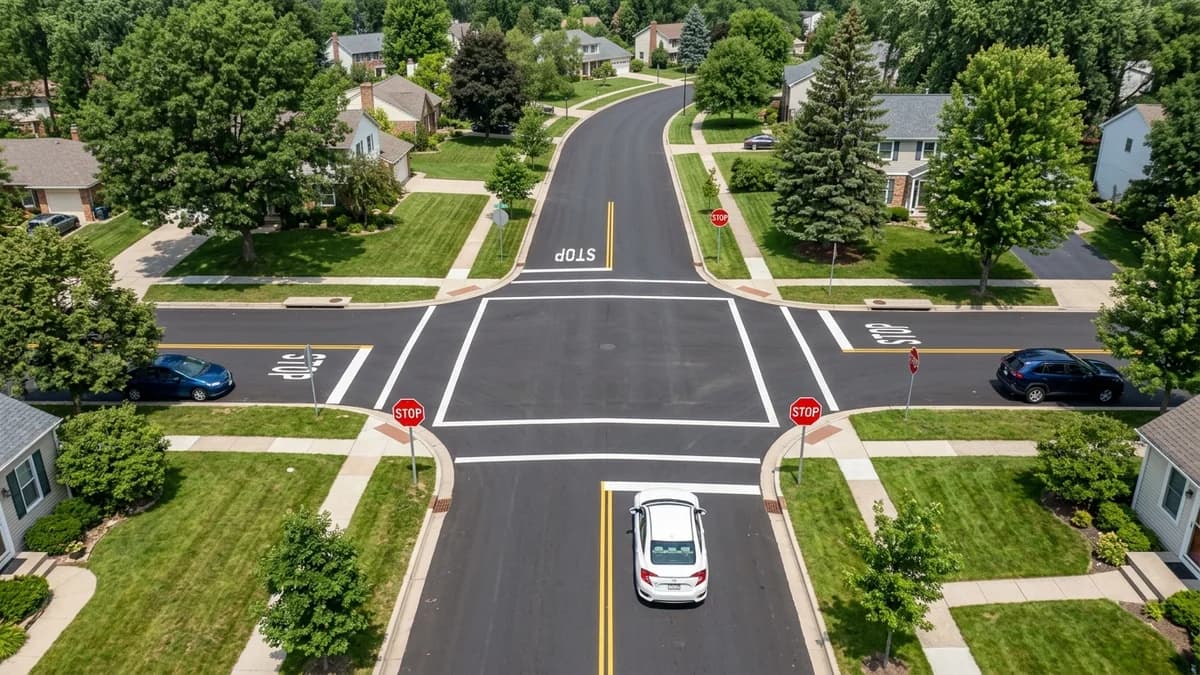
Who Has the Right-of-Way at a 4-Way Stop? The Complete Rulebook
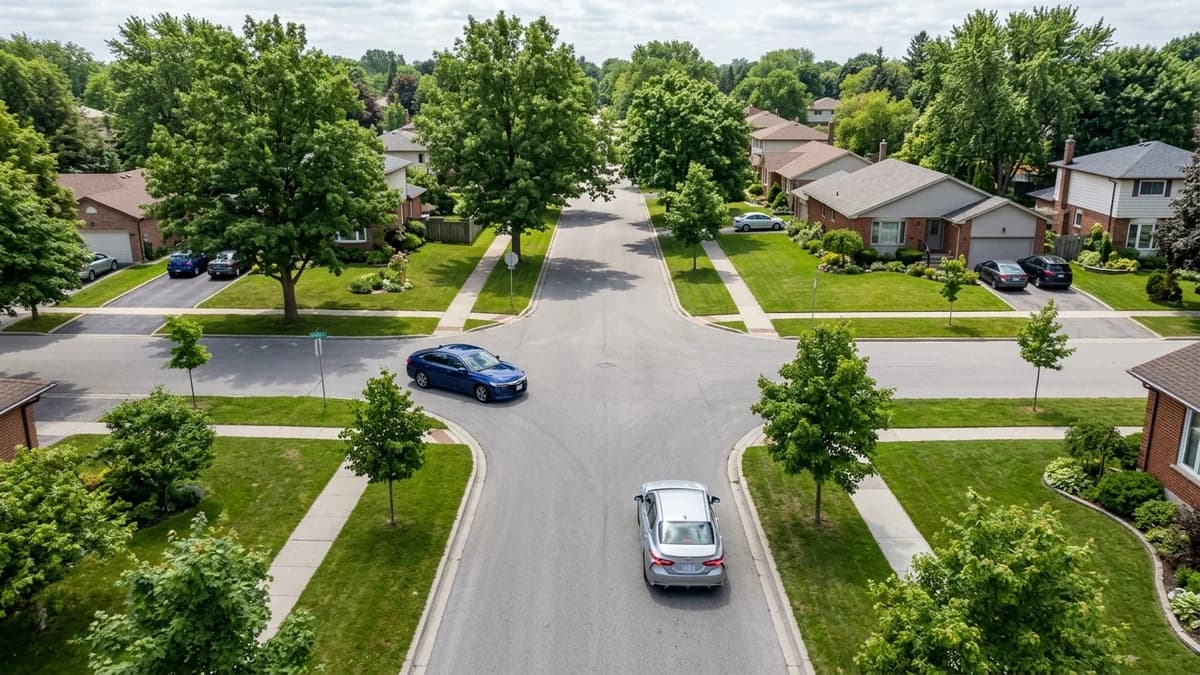
Uncontrolled Intersections: Who Goes First When There Are No Signs or Lights?