You Passed the Permit Test, Now What? 6 Next Steps for New Drivers
Mastering statutory driver licensing regulations and highway laws ensures first-time test success.
Quick Answer & Key Takeaways
Congratulations on passing your written permit test! Follow these 6 mandatory next steps: 1) VALIDATE YOUR PERMIT (MINORS): If under 17½ in states like California, your permit is NOT valid until a certified driving instructor signs it during your first 2-hour lesson. 2) NOTIFY AUTO INSURANCE: Add the permitted teen to the family insurance policy (many insurers do not charge until the full license is issued). 3) LOG 50 SUPERVISED HOURS: Complete 50 hours with a licensed adult 25+ (10 hours at night). 4) HOLD FOR 6–12 MONTHS: Meet mandatory state holding duration. 5) BOOK ROAD TEST EARLY.
- First Lesson Validates Permit: Minors cannot drive with parents until instructor signs form.
- Log 50 Supervised Hours (10 at Night): Maintain accurate dates and weather condition logs.
- Mandatory Holding Window: Minors must hold permit for 6 consecutive months (12 months in FL/NC).
- Book Road Exam 60 Days Early: DMV behind-the-wheel testing slots fill up months in advance.
Passing your DMV permit test is a big win. You studied, you showed up, and you cleared the first hurdle. 🎉
What Passing the Permit Test Really Means
But once the excitement wears off, a very common question pops up:
- Statutory Compliance: Obeying exact vehicle code thresholds rather than informal habits ensures zero penalty points on exam day.
- Defensive Safety Standard: Maintaining safe following distances and active visual scanning eliminates collision risks under Basic Speed Law principles.
- Hazard Recognition: Anticipating changing traffic patterns and road conditions allows proactive rather than reactive braking.
“I passed… now what am I actually supposed to do?”
What Happens Next (Step by Step)
If you're feeling a little unsure, you're not alone. Many people pass the permit test and then get stuck — unsure of the next steps, timelines, or rules. This guide breaks it all down simply.
- Statutory Compliance: Obeying exact vehicle code thresholds rather than informal habits ensures zero penalty points on exam day.
- Defensive Safety Standard: Maintaining safe following distances and active visual scanning eliminates collision risks under Basic Speed Law principles.
- Hazard Recognition: Anticipating changing traffic patterns and road conditions allows proactive rather than reactive braking.
When you pass the written DMV permit test, you're officially allowed to start learning how to drive on public roads — but with restrictions.
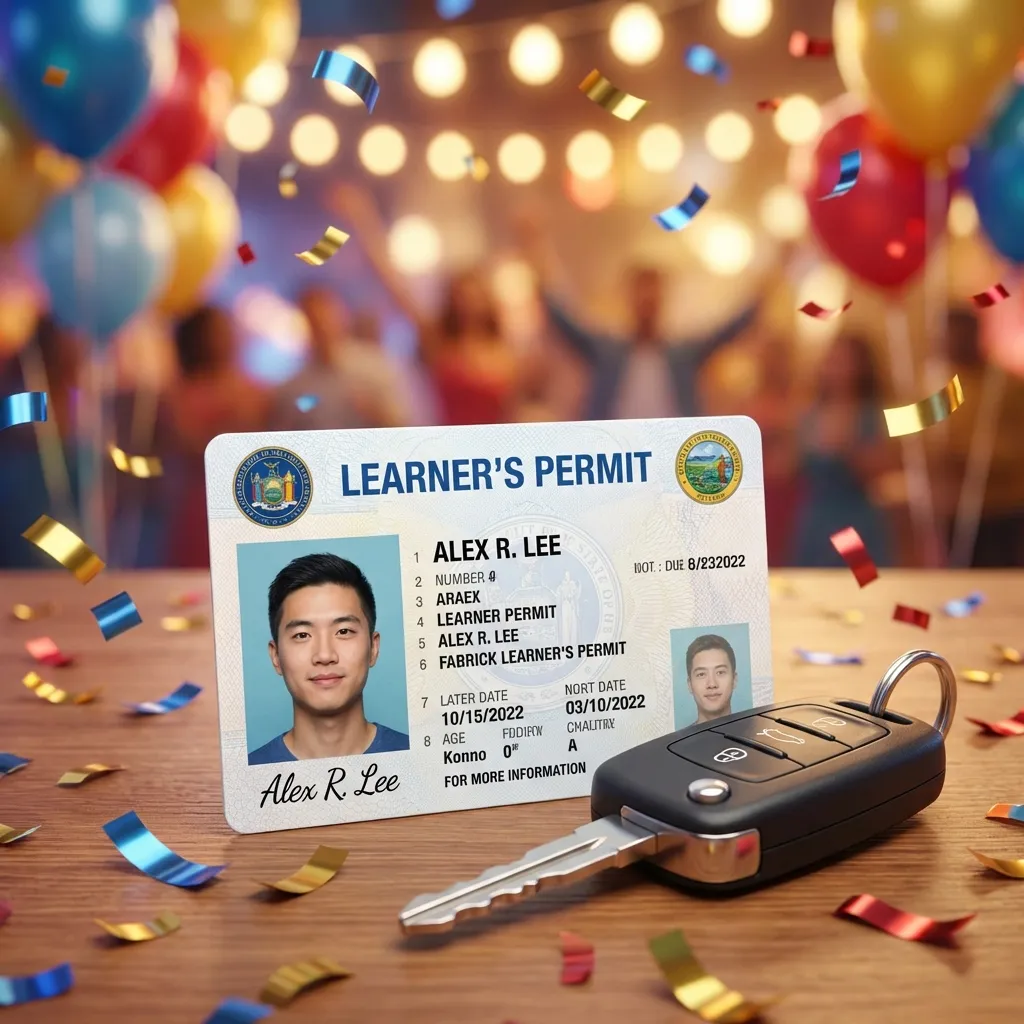
Receive your learner's permit
A learner's permit is not a full license. It allows you to practice driving legally under specific conditions, which vary slightly by state but usually include:
- Statutory Compliance: Obeying exact vehicle code thresholds rather than informal habits ensures zero penalty points on exam day.
- Defensive Safety Standard: Maintaining safe following distances and active visual scanning eliminates collision risks under Basic Speed Law principles.
- Hazard Recognition: Anticipating changing traffic patterns and road conditions allows proactive rather than reactive braking.
Understanding these rules matters. Violating permit conditions can delay your license or even cancel your permit. For more safety tips, check out NHTSA's guide on teen driving safety.
Complete required practice hours
After passing the permit test, here's what typically comes next:
- Statutory Compliance: Obeying exact vehicle code thresholds rather than informal habits ensures zero penalty points on exam day.
- Defensive Safety Standard: Maintaining safe following distances and active visual scanning eliminates collision risks under Basic Speed Law principles.
- Hazard Recognition: Anticipating changing traffic patterns and road conditions allows proactive rather than reactive braking.
Some states issue a temporary paper permit immediately, while others mail the physical card to you.
Wait out the mandatory period
Many states require a set number of driving hours (e.g., 30–50 total hours, including night driving). Even if you're over 18, logging practice time is still strongly recommended.
- Statutory Compliance: Obeying exact vehicle code thresholds rather than informal habits ensures zero penalty points on exam day.
- Defensive Safety Standard: Maintaining safe following distances and active visual scanning eliminates collision risks under Basic Speed Law principles.
- Hazard Recognition: Anticipating changing traffic patterns and road conditions allows proactive rather than reactive braking.
If you're under 18, there's usually a minimum waiting period (often 6 months) before you can take the road test.
Interactive Knowledge Check
Question: How long must a minor under 18 hold their learner's permit in California before becoming eligible to take the behind-the-wheel driving exam?
Authoritative Sources & Regulatory References
Content and statutory guidelines in this guide are verified against official state vehicle codes, federal transportation standards, and authoritative regulatory documentation:
- AAMVAOfficial State Driver Handbooks & Licensing Examination Criteria (2026)(American Association of Motor Vehicle Administrators)
- NHTSANational Highway Traffic Safety Administration (NHTSA) Uniform Guidelines for State Highway Safety(National Highway Traffic Safety Administration)
- FHWAFederal Highway Administration (FHWA) Manual on Uniform Traffic Control Devices (MUTCD)(Federal Highway Administration)
90% of people found this article helpful.
Click a star to add your vote
109 votes • average 4.56 out of 5
Official 2026 DMV Practice Tests by State
Select your state to practice real exam questions based on the latest 2026 driver handbook.
Ready to Pass the DMV Test on Your First Try?
Practice real 2026 DMV questions with instant answer explanations, simulated timers, and pass-guarantee study guides.
Start Free Practice Test