Pedestrian Right-of-Way in Marked vs. Unmarked Crosswalks: Federal & State Laws

Under state law, pedestrians have right-of-way in all marked crosswalks AND unmarked crosswalks at street intersections.
Quick Answer & Key Takeaways
Under US traffic law, pedestrians have the legal right-of-way in BOTH marked crosswalks (painted white zebra or ladder stripes) AND UNMARKED crosswalks (the imaginary continuation of sidewalks across any four-way or T-intersection at right angles). Drivers must yield to any pedestrian entering or crossing within any portion of the crosswalk. Never pass a vehicle that has stopped at a crosswalk, as pedestrians may be crossing unseen.
- Unmarked crosswalks are 100% legal crosswalks: Every four-way corner intersection has legal crosswalks, even if zero paint exists on the asphalt.
- Never pass a stopped car at a crosswalk: Passing a vehicle stopped to yield to a pedestrian is an extreme danger and illegal under state vehicle codes.
- Stop behind the limit line: Overhanging your front bumper into a crosswalk forces pedestrians into traffic and fails your DMV road test.
- Blind Pedestrians (White Cane Law): Pedestrians with a white cane or guide dog have absolute right-of-way at all times; drivers must stop completely.
Marked vs. Unmarked Crosswalks: The Legal Definition
According to alarming national data compiled by the National Highway Traffic Safety Administration (NHTSA), over 7,500 pedestrians are killed and 67,000 injured in motor vehicle collisions every year in the United States.
A large portion of these collisions stem from a dangerous misconception: many drivers believe that if an intersection has no white painted stripes on the road, no crosswalk exists and pedestrians have no legal right-of-way.
Under California Vehicle Code § 21950 and uniform traffic codes nationwide, this assumption is false and dangerously illegal.
The Unmarked Crosswalk Rule: "Every 4-Way Corner Is a Crosswalk"
State law defines crosswalks into two distinct categories:
- Marked Crosswalks: Pavement distinctly painted with white lines, zebra stripes, or high-visibility yellow lines (in school zones).
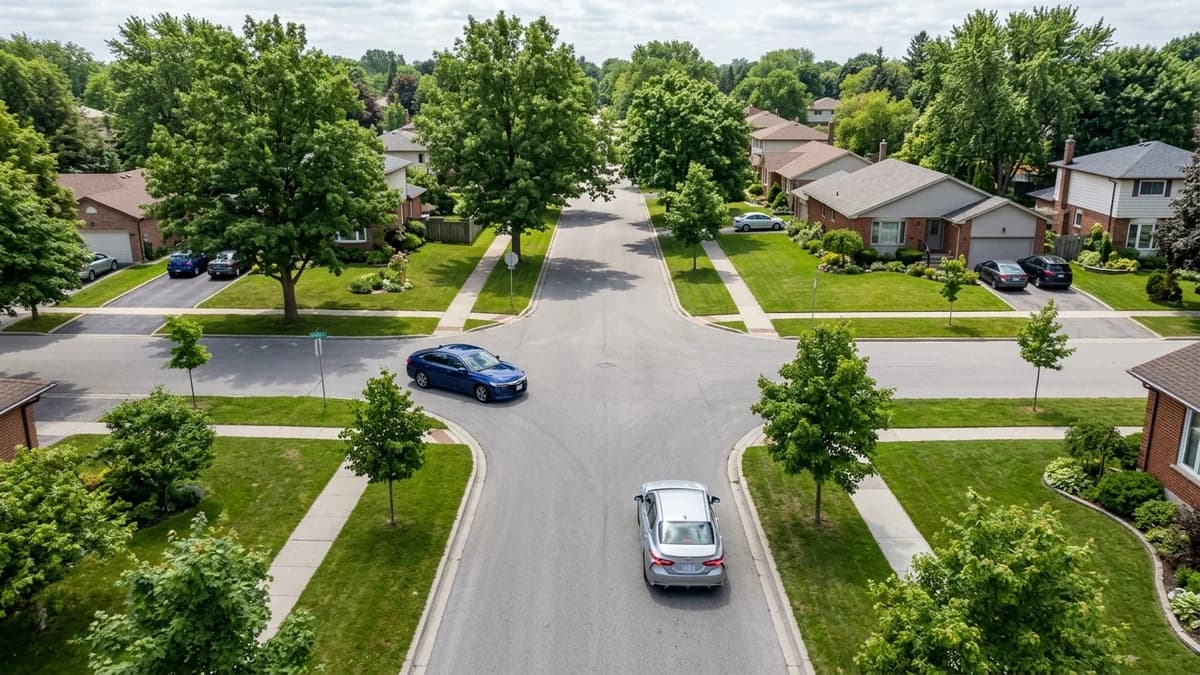
- Unmarked Crosswalks: The imaginary boundary created by extending the sidewalk lines from one corner directly across the street to the opposite corner at any 90-degree intersection under uncontrolled intersection rules.
Unless a sign explicitly states "NO PEDESTRIAN CROSSING," every street corner is a legally protected crosswalk with full pedestrian right-of-way.
Driver Duties vs. Pedestrian Duties at Crossings
The law establishes reciprocal responsibilities for both motorists and pedestrians:
- The Driver’s Legal Duty (CVC § 21950(a)): The driver of a vehicle shall yield the right-of-way to a pedestrian crossing the roadway within any marked or unmarked crosswalk at an intersection. The driver must reduce speed or stop completely as necessary to safeguard the pedestrian.
- The Pedestrian’s Legal Duty (CVC § 21950(b)): Pedestrians are prohibited from suddenly stepping off a curb into the path of an oncoming vehicle that is so close as to constitute an immediate hazard, or unnecessarily stopping and delaying traffic.
- Driver Due Care Override (CVC § 21950(c)): Even if a pedestrian steps into the street unlawfully, the driver is never relieved of the statutory duty to exercise all due care to avoid striking the pedestrian.
The 3-Foot & Multi-Lane Stop Clearance Rules
Navigating multi-lane roads with crosswalks requires strict adherence to two critical safety statutes:
- Never Pass a Vehicle Stopped at a Crosswalk (CVC § 21951): If a vehicle in the lane next to you slows down or stops at a crosswalk, you must not overtake and pass that vehicle. The stopped car is almost certainly shielding a pedestrian crossing the street who is completely invisible to you.
- Stop Line Discipline: Always stop at least 5 to 10 feet behind the crosswalk limit line so that other drivers in adjacent lanes have an unobstructed sightline to spot the crossing pedestrian under FHWA pedestrian safety countermeasures.
Blind Pedestrians: The Absolute White Cane Law
Under California Vehicle Code § 21963 and the White Cane Law across all 50 states:
- Absolute Right-of-Way: A totally or partially blind pedestrian who is carrying a predominantly white cane (with or without a red tip) or using a certified guide dog has absolute right-of-way at ALL times and ALL locations.
- Driver Action: When you see a pedestrian with a white cane or guide dog, you must yield immediately and bring your vehicle to a complete stop until the pedestrian has safely cleared the entire street.
- Severe Penalties: Failure to yield to a blind pedestrian is a criminal misdemeanor punishable by fines up to $1,000 and up to 6 months imprisonment.
Top 4 Pedestrian Errors That Instantly Fail Road Tests
DMV examiners enforce zero tolerance for crosswalk mistakes under automatic road test failure rules:
- Failing to Yield to a Pedestrian in Crosswalk (Instant Automatic Fail): If a pedestrian is anywhere within the crosswalk on your half of the road (or approaching your lane), proceeding before they clear will terminate your exam immediately.
- Overhanging the Crosswalk: Creeping forward so your front tires or bumper block the painted crosswalk forces pedestrians to walk into active traffic, resulting in disqualification.
- Making a Right Turn on Red Without Scanning Left Crosswalk: As covered in right turn on red rules, looking left for cars while rolling into pedestrians crossing on your right is an instant fail.
- Honking at a Pedestrian: Using your horn to rush a pedestrian crossing the street is an immediate critical safety error.
Interactive Knowledge Check
Question: You are approaching a 4-way intersection in a residential neighborhood where there are sidewalks, but NO painted lines on the roadway. A pedestrian is waiting at the corner to cross. Who has the legal right-of-way?
Authoritative Sources & Regulatory References
Content and statutory guidelines in this guide are verified against official state vehicle codes, federal transportation standards, and authoritative regulatory documentation:
- California LegislatureCalifornia Vehicle Code § 21950: Right-of-Way at Crosswalks(State of California Vehicle Code)
- FHWAPedestrian Safety Guide and Countermeasure Deployment(Federal Highway Administration)
- NHTSAPedestrian Crash Facts and Fatality Analysis Reporting(National Highway Traffic Safety Administration)
87% of people found this article helpful.
Click a star to add your vote
297 votes • average 4.40 out of 5
Official 2026 DMV Practice Tests by State
Select your state to practice real exam questions based on the latest 2026 driver handbook.
Ready to Pass the DMV Test on Your First Try?
Practice real 2026 DMV questions with instant answer explanations, simulated timers, and pass-guarantee study guides.
Start Free Practice TestRecommended Driver Guides
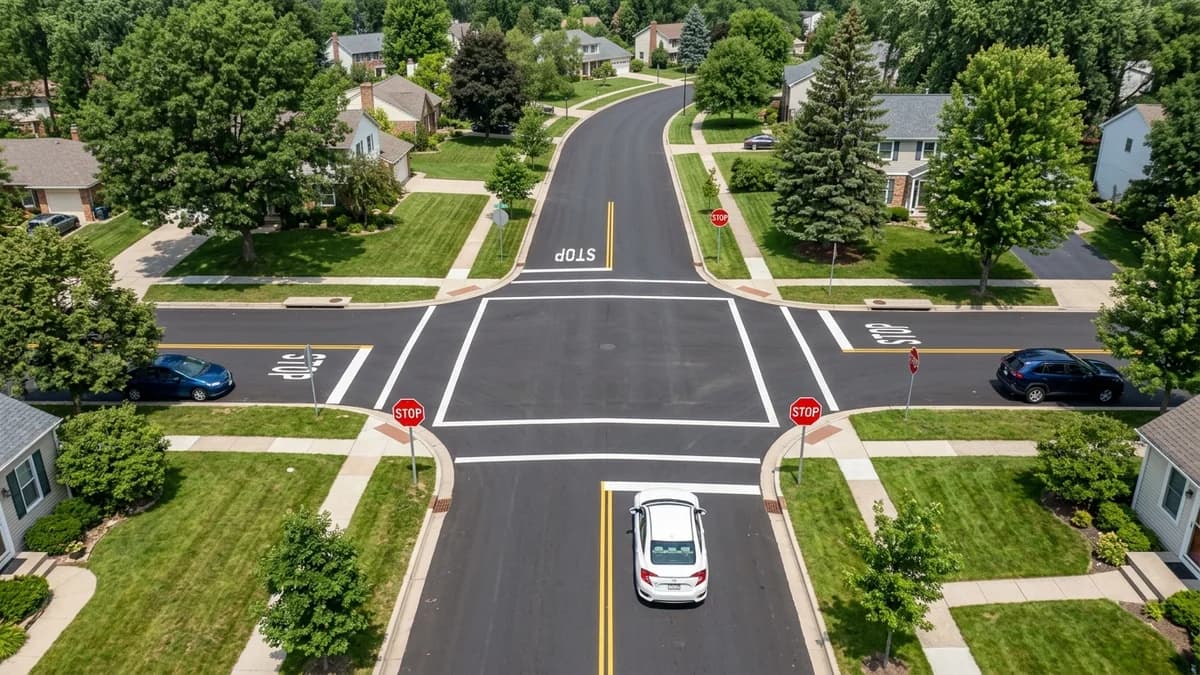
Who Has the Right-of-Way at a 4-Way Stop? The Complete Rulebook
Uncontrolled Intersections: Who Goes First When There Are No Signs or Lights?
