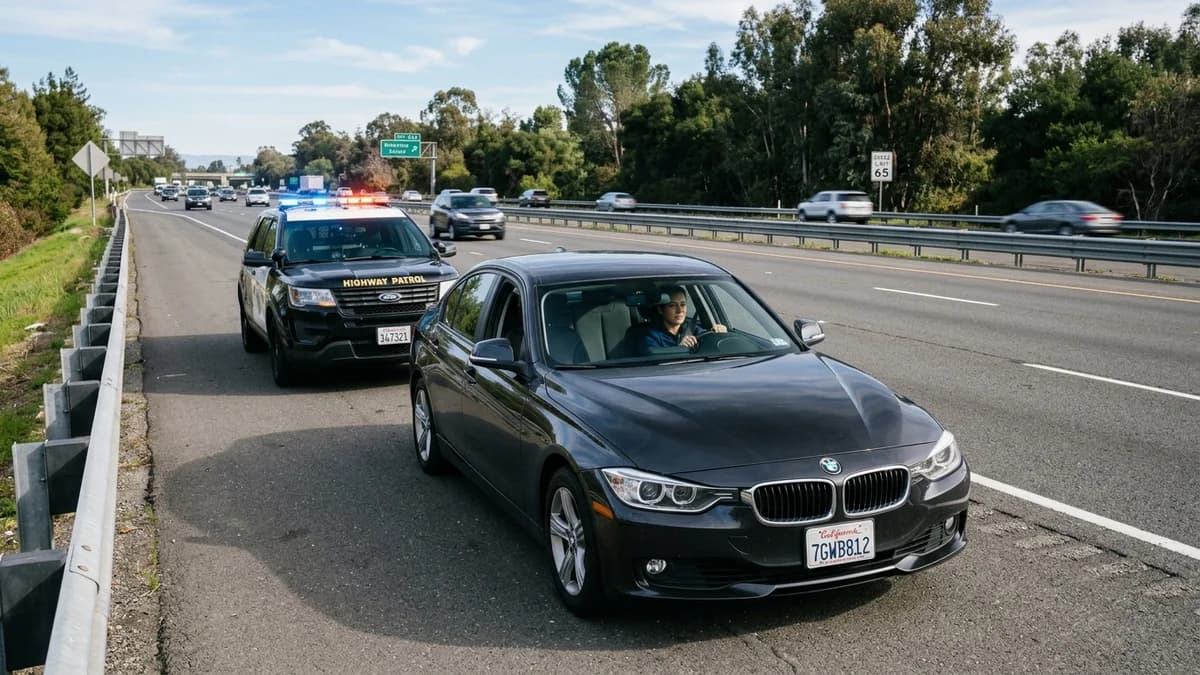
Passenger Restrictions for Teen Drivers: Why Curfews and Rules Matter
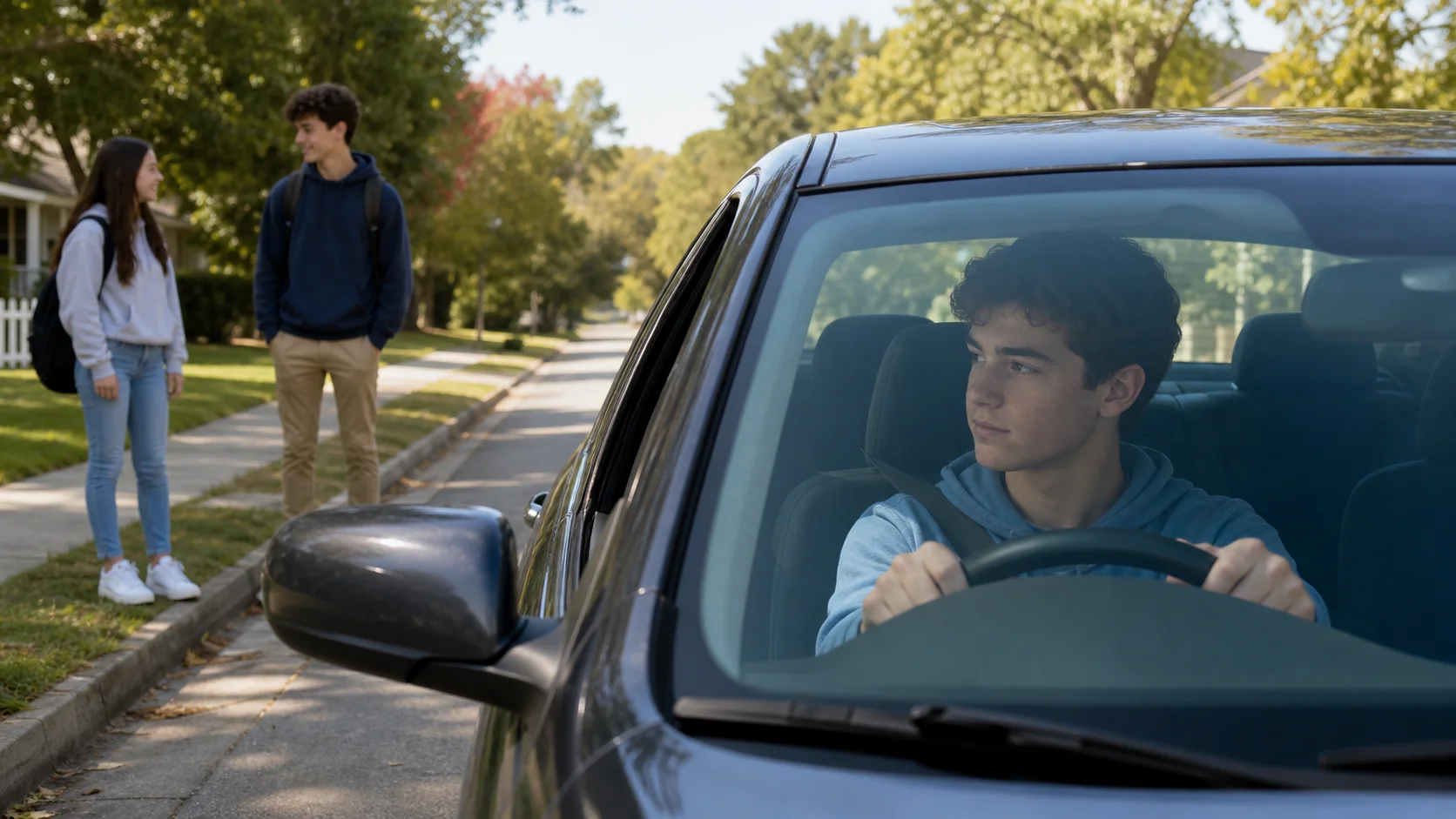
Graduated licensing passenger restrictions prevent distractions during the highest-risk first 12 months of solo driving.
Quick Answer & Key Takeaways
Under Graduated Driver Licensing (GDL) laws, for the FIRST 12 MONTHS after earning a provisional driver's license (or until turning 18), teen drivers are legally prohibited from: 1) Transporting ANY passengers under age 20 (unless accompanied by a licensed adult age 25+). 2) Driving between 11:00 PM and 5:00 AM. Exceptions are permitted ONLY for verified school events, employment, medical emergencies, or immediate family necessity with a signed note.
- The 12-Month Rule: For the first year of solo driving, no passengers under age 20 are allowed in your car without an adult age 25+.
- The 11 PM to 5 AM Curfew: Driving late at night is strictly illegal for provisional license holders in 48+ states.
- Crash Risk Multiplier: Carrying 3+ peer passengers increases a 16-year-old's fatal crash risk by over 400%.
- Automatic Expiration: All GDL restrictions automatically lift the day you turn 18, transitioning your license to full unrestricted status.
The First-Year Provisional License Rules (12-Month Rule)
Passing your DMV road test and earning your provisional license is a momentous milestone. However, under California Vehicle Code § 12814.6(a)(5) and GDL laws nationwide, you are not yet a fully unrestricted driver.
During the first 12 months after receiving your provisional license (or until your 18th birthday, whichever comes first), two strict statutory restrictions apply:
- No Passengers Under Age 20: You cannot transport any passenger under 20 years of age at any time of day or night, unless accompanied by a licensed parent, guardian, or licensed adult age 25+.
- Nighttime Curfew (11:00 PM – 5:00 AM): You cannot drive between the hours of 11:00 PM and 5:00 AM.
Why Teen Passengers Multiply Fatal Crash Risk by 400%
Why do state legislatures enact strict passenger bans?
Landmark research published by the AAA Foundation for Traffic Safety reveals staggering crash correlations:
- 1 Teen Passenger: Increases a 16- or 17-year-old driver's risk of getting into a fatal crash by 44%.
- 2 Teen Passengers: Doubles the fatal crash risk (+102%).
- 3 or More Teen Passengers: Multiplies fatal crash risk by over 400% (4x higher) compared to driving solo.
Peer passengers create loud conversations, encourage speeding, promote smartphone usage, and divert focus away from crucial hazard scanning.
Nighttime Driving Curfews: The 11:00 PM to 5:00 AM Ban
According to crash data from the Centers for Disease Control and Prevention (CDC), nearly 40% of all teen driver fatal crashes occur between 9:00 PM and 6:00 AM.
Late-night driving combines fatigue, compromised night vision, and the presence of impaired alcohol-affected drivers. The 11:00 PM to 5:00 AM curfew keeps inexperienced drivers off the road during the statistical peak window for catastrophic multi-car collisions.
Legal Exceptions: Work, School, Medical, and Family Needs
State law allows four narrow exceptions where a minor may drive during curfew or transport immediate family:
- Medical Necessity: Transporting a family member for medical treatment when reasonable transportation is unavailable. Requires a signed note from a licensed physician stating the diagnosis and expected recovery date.
- School Activities: Attending school or school-authorized events. Requires a note signed by the school principal, dean, or official stating the reason and date of the event.
- Employment / Work Necessity: Driving to/from a job. Requires a signed note from the employer on company letterhead confirming employment hours.
- Immediate Family Necessity (Transporting Siblings): Transporting younger siblings to/from school. Requires a note signed by the parent/guardian explaining the necessity and date.
If pulled over by police, you must carry the signed statement in your vehicle and present it to the officer.
Fines, Points, and Community Service for GDL Violations
Violating provisional licensing rules carries real legal consequences:
- Moving Violation Infraction: Carries a $250+ fine or mandatory 8 to 16 hours of community service for a first offense.
- Secondary Enforcement: In most states, police cannot pull you over solely to check provisional status; however, if pulled over for speeding or a broken tail light, the passenger violation will be cited.
- Insurance Impact: GDL moving violations remove the "Good Driver Discount" on your family's auto insurance policy, increasing rates significantly.
What Happens When You Turn 18? Automatic Expiration of Restrictions
The moment you celebrate your 18th birthday, all provisional license restrictions instantly and automatically dissolve.
You do not need to visit the DMV or obtain a new physical license card; your provisional license automatically converts into a full, unrestricted Class C driver's license with zero passenger or curfew limits.
Interactive Knowledge Check
Question: A 16-year-old driver has held their provisional license for 3 months. Can they drive their 17-year-old classmate home from soccer practice at 4:00 PM without an adult present?
Authoritative Sources & Regulatory References
Content and statutory guidelines in this guide are verified against official state vehicle codes, federal transportation standards, and authoritative regulatory documentation:
- California DMVProvisional Driver License Restrictions and Exceptions (CVC § 12814.6)(State of California Department of Motor Vehicles)
- CDCTeen Drivers: Passenger Restrictions and Motor Vehicle Fatalities(Centers for Disease Control and Prevention)
- AAA FoundationTeen Driver Risk in Relation to Age and Number of Passengers(AAA Foundation for Traffic Safety)
96% of people found this article helpful.
Click a star to add your vote
116 votes • average 4.84 out of 5
Official 2026 DMV Practice Tests by State
Select your state to practice real exam questions based on the latest 2026 driver handbook.
Ready to Pass the DMV Test on Your First Try?
Practice real 2026 DMV questions with instant answer explanations, simulated timers, and pass-guarantee study guides.
Start Free Practice TestRecommended Driver Guides

The 3 Stages of Graduated Driver Licensing (GDL) Explained
Learner’s Permit vs. Provisional vs. Full Driver’s License: What’s the Difference?