Left Lane Camping Laws: States That Fine Drivers for Cruising in the Passing Lane
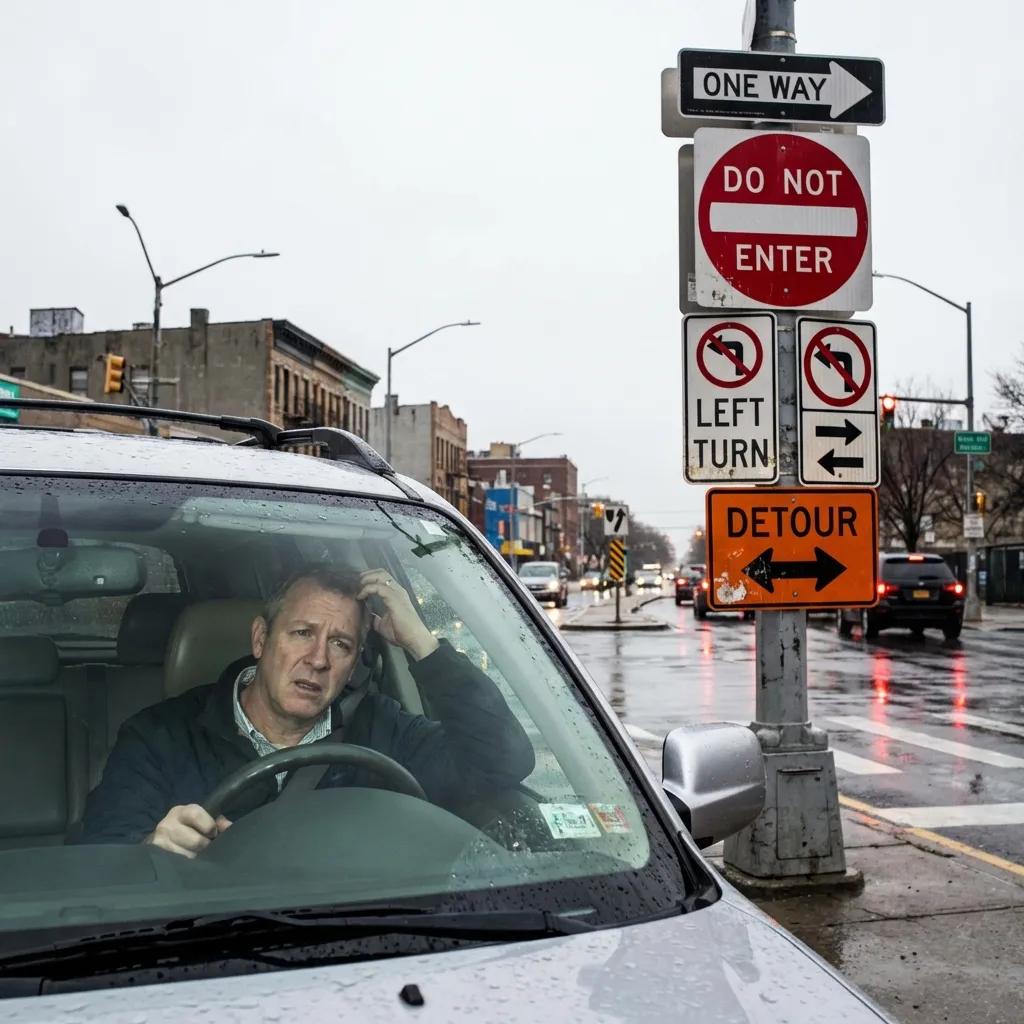
Cruising continuously in the far-left lane impedes traffic flow and carries statutory fines up to $500 in strict enforcement states.
Quick Answer & Key Takeaways
On multi-lane highways across the United States, the far-left lane is designated exclusively for PASSING and OVERTAKING slower vehicles, not continuous cruising ('left-lane camping'). In strict states (such as Indiana, New Jersey, Florida, and Washington), police actively cite drivers who cruise in the left lane when not actively passing another vehicle—even if the driver is traveling at the posted speed limit. Driving slow in the passing lane forces faster traffic to weave dangerously to the right, causing high-speed sideswipes and road rage incidents.
- Left Lane = Passing Only: The left lane is an active overtaking zone; once you finish passing, you must move back to the right.
- The Speed Limit Defense Fails: Driving the exact speed limit does NOT give you the legal right to block faster traffic in the left lane.
- Heavy State Fines: Strict states enforce moving violation fines ranging from $150 to $500 plus license points for left-lane cruising.
- Reduces Tailgating: Keeping the left lane clear prevents aggressive tailgating and erratic right-side passing maneuvers.
The Epidemic of Left Lane Camping: Why Cruising in Lane 1 Is Dangerous
"Left-Lane Camping" occurs when a driver settles into the far-left lane (Lane 1) of a multi-lane highway and remains there for miles without overtaking other vehicles.
According to highway safety research from the Federal Highway Administration (FHWA), speed variance (differences in speed between vehicles in the same lane) is a far stronger predictor of crashes than absolute speed alone.
When a slow vehicle blocks the left passing lane, it causes high-speed traffic to bottle up, promotes dangerous tailgating within undersized following distances, and forces frustrated drivers to execute blind passes on the right.
The 3 Legal Frameworks: Keep Right Laws Across All 50 States
All 50 states have statutes governing left lane use, categorized into three distinct legal tiers compiled by the National Motorists Association (NMA):
Strict "Passing Only" States (Indiana, Washington, New Jersey)
In strict states (including Illinois, Indiana, Kansas, Kentucky, Louisiana, Maine, Massachusetts, New Jersey, Pennsylvania, and Washington), it is illegal to drive in the left lane for ANY reason other than passing another vehicle or preparing for a left exit.
Even if the highway is completely empty, cruising in the left lane is a primary moving violation. In Indiana (the "Left Lane Law"), police issue hundreds of citations monthly to drivers who fail to yield to trailing vehicles.
"Yield to Faster Traffic" Laws (Texas, Florida, Georgia)
In states like Florida, Georgia (the "Slowpoke Law"), Texas, and Virginia, you may use the left lane, but you MUST move to the right if a faster vehicle approaches from behind.
If another vehicle approaches your rear bumper in Lane 1, you must immediately signal and vacate the lane regardless of your speed.
"Slower Traffic Keep Right" Uniform Code Model
Under Uniform Vehicle Code § 11-301(b) (enforced in California under CVC § 21654), any vehicle proceeding at less than the normal speed of traffic flow must be driven in the right-hand lane.
Posted white regulatory signs reading "SLOWER TRAFFIC KEEP RIGHT" (R4-3) establish enforceable commands.
The "I’m Doing the Speed Limit" Myth (Why It’s Still Illegal)
The most common excuse given to highway patrol officers is: "Officer, I was driving the exact 65 mph speed limit, so nobody behind me should be going faster anyway."
Traffic courts reject this argument 100% of the time.
Statutes governing the passing lane are independent of speed limit laws. A civilian driver does not have the legal authority to police other motorists by blocking traffic. Impeding the flow of the left lane is an independent moving violation that compromises highway safety.
State-by-State Left Lane Fines and Enforcement Table
| State | Legal Standard | Typical Fine Amount |
|---|---|---|
| Indiana | Strict: Must vacate if overtaken | Up to $500 |
| New Jersey | Strict: Passing only | $100–$300 + 2 Points |
| Georgia | "Slowpoke Law": Must yield to faster cars | $200–$500 |
| Florida | Prohibits cruising in left lane on freeways | $179 + 3 Points |
| California | Slower traffic must keep right (CVC § 21654) | $238 + 1 Point |
The 3-Step Proper Passing Lane Protocol
- Signal and Move Left to Pass: Execute the pass promptly without lingering in adjacent blind spots under blind spot driving rules.
- Check Center Mirror: When you can see both headlights of the overtaken vehicle in your center rearview mirror, signal right.
- Return to the Center or Right Lane: Keep Lane 1 clear for the next overtaking vehicle.
Interactive Knowledge Check
Question: You are driving in the far-left lane of an interstate at the posted speed limit of 65 MPH. Another vehicle approaches rapidly from behind. What is your legal duty?
Authoritative Sources & Regulatory References
Content and statutory guidelines in this guide are verified against official state vehicle codes, federal transportation standards, and authoritative regulatory documentation:
- NCUTLOUniform Vehicle Code § 11-301: Drive on Right Side of Roadway(National Committee on Uniform Traffic Laws and Ordinances)
- NMAState-by-State Left Lane Driving and Passing Statutes(National Motorists Association)
- FHWAHighway Speed Differentials and Left Lane Collision Risks(Federal Highway Administration)
89% of people found this article helpful.
Click a star to add your vote
169 votes • average 4.52 out of 5
Official 2026 DMV Practice Tests by State
Select your state to practice real exam questions based on the latest 2026 driver handbook.
Ready to Pass the DMV Test on Your First Try?
Practice real 2026 DMV questions with instant answer explanations, simulated timers, and pass-guarantee study guides.
Start Free Practice TestRecommended Driver Guides
The Basic Speed Law Explained: Why You Can Get a Ticket Driving Under the Speed Limit

Regulatory Road Signs: The Top 25 Must-Know Signs for the DMV Exam
